

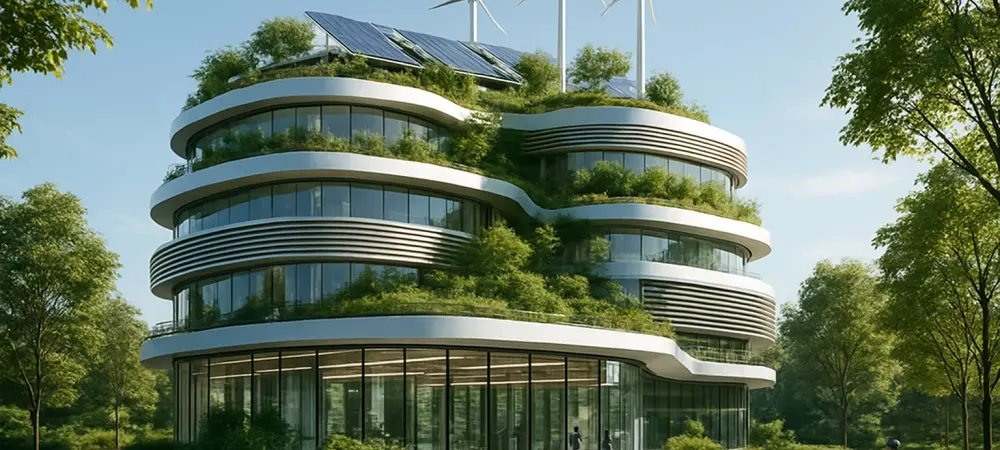
In an era where digital infrastructure is the backbone of global connectivity, the announcement of a new data center by a leading European company in Basel, Switzerland, marks a pivotal moment for sustainable technology. This development, located at the uptownBasel Innovation Campus in Arlesheim, represents a bold step forward in addressing the escalating demand for data storage and processing while prioritizing environmental responsibility. As the digital landscape continues to expand, the need for facilities that balance high performance with eco-friendly practices has never been more critical. This project not only aims to meet those demands but also sets a new standard for how data centers can integrate with local communities and contribute to broader sustainability goals. With operations slated to begin in mid-2027, the facility promises to bring cutting-edge capacity and innovation to the Swiss market, reinforcing the region’s growing reputation as a hub for advanced technology.
Pioneering Sustainability in Digital Infrastructure
A standout feature of this new data center is its unwavering commitment to green practices, aligning with industry-wide shifts toward environmental consciousness. Spanning 2,500 square meters (approximately 26,910 square feet) with an initial capacity of 5.5MW, the facility will offset its power consumption through renewable energy sources and employ eco-friendly diesel alternatives, such as hydrotreated vegetable oil (HVO), for its generators. Beyond its internal operations, the project will benefit the surrounding area by supplying waste heat to the local district heating network, a move that enhances energy efficiency and reduces carbon footprints. This initiative reflects a growing consensus in the tech sector that data centers must evolve beyond mere infrastructure to become active contributors to sustainable urban ecosystems. By embedding these principles into its design, the Basel facility positions itself as a model for future developments, demonstrating how technological advancement and environmental stewardship can coexist harmoniously.
Fostering Innovation Through Strategic Partnerships
The collaboration with uptownBasel, a sprawling 70,000 square meter (753,475 square feet) technology campus dedicated to Industry 4.0, underscores the innovative spirit driving this project. Situated in the transformed Schorenareal area of Arlesheim, previously a manufacturing hub, the campus focuses on pioneering fields like medical technology, quantum computing, and artificial intelligence. This partnership aims to cultivate a thriving tech ecosystem by attracting startups and talent, positioning the region as a crucible for cutting-edge advancements. Leadership from both sides has expressed optimism about the synergy, emphasizing how the data center will serve as a cornerstone of a broader vision to create a leading platform for innovation networks. Additionally, this effort mirrors a larger trend where data centers act as catalysts for economic growth and technological progress, integrating with local initiatives to build vibrant communities. Reflecting on this milestone, it’s clear that the groundwork laid in Basel paves the way for sustainable and innovative digital infrastructure across Europe.