

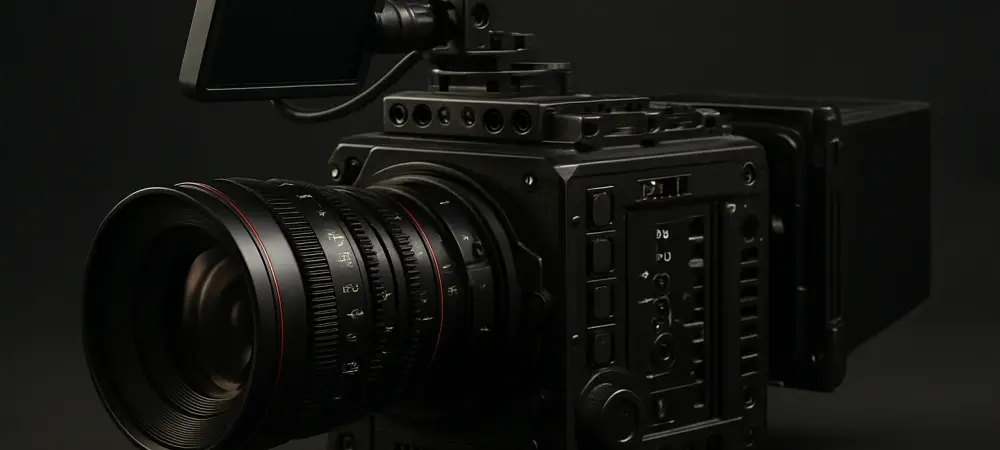
As we dive into the evolving world of cinema technology, I’m thrilled to sit down with Dominic Jainy, a seasoned expert whose deep understanding of cutting-edge tech and industry trends offers a unique perspective on Nikon’s bold strides into the cinema camera market. With a background in IT and a passion for innovative applications, Dominic brings invaluable insights into how Nikon’s recent moves, including their acquisition of RED Digital Cameras and the launch of the Nikon ZR, are shaking up the industry. In this conversation, we’ll explore Nikon’s strategic partnerships, the standout features of their new cinema camera lineup, the significance of upcoming cinema lenses, and what this means for filmmakers at every level.
How did Nikon’s acquisition of RED Digital Cameras in 2024 reshape their approach to entering the cinema camera market?
Nikon’s acquisition of RED Digital Cameras was a game-changer. RED has long been a respected name in the cinema world, known for their high-end cameras used in Hollywood productions. By bringing RED into the fold, Nikon gained not just cutting-edge tech but also a wealth of credibility and expertise in the professional video space. This move allowed Nikon to fast-track their entry into cinema cameras, blending RED’s innovation with Nikon’s own Z-mount system. It’s clear their strategy shifted toward creating a hybrid ecosystem that caters to both enthusiasts and pros, as seen with the quick release of models like the V-Raptor and Komodo under the Nikon RED branding.
What unique strengths does RED bring to Nikon’s cinema camera offerings?
RED’s biggest strength is their mastery of high-resolution video and RAW codecs, which are critical for professional filmmakers who need flexibility in post-production. Their cameras are known for exceptional dynamic range and color science, something Nikon can now integrate into their lineup. Additionally, RED’s reputation for rugged, modular designs means Nikon can appeal to filmmakers who need gear that’s adaptable on set. This partnership gives Nikon a competitive edge, especially against brands like Sony and Canon, by offering tools that are already trusted by industry veterans.
What sets the Nikon ZR apart in a crowded market of cinema cameras from competitors like Sony and Canon?
The Nikon ZR, as the first in their Z Cinema Camera series, punches above its weight, especially for an enthusiast-level model. Its compact design makes it incredibly portable, which is a huge plus for run-and-gun filmmakers. Add to that the 6K 60fps video capability and a price point that undercuts many rivals, and it’s positioned as an accessible yet powerful option. The 4-inch touch display also stands out—larger and more user-friendly than what you’d typically find in this segment. It’s a clear signal that Nikon is aiming to disrupt the market with value and innovation.
Can you dive into the importance of the ZR’s in-camera 12-bit RAW and the new RED R3D ‘NE’ codec for filmmakers?
Absolutely. In-camera 12-bit RAW recording is a massive deal because it captures an incredible amount of detail and color information directly on the camera, giving filmmakers tons of latitude in post-production to adjust exposure or color without losing quality. The RED R3D ‘NE’ codec, specifically, is optimized for efficiency, meaning smaller file sizes without sacrificing that RAW quality. For creators, this translates to faster workflows and less storage hassle, which is critical when shooting high-res content like 6K. It’s a feature set that rivals much pricier cameras, making the ZR a standout for budget-conscious pros.
How does the 32-bit float audio capture on the ZR elevate its value for video creators?
The 32-bit float audio capture is a bit of a hidden gem on the ZR. Unlike traditional audio recording, which can clip and distort if levels are set too high, 32-bit float gives an almost limitless dynamic range. This means you can recover audio that would otherwise be unusable, even if it’s recorded at the wrong level. For video creators, especially those working solo or in unpredictable environments, this feature reduces stress on set and saves time in post. Paired with accessories like the ME-D10 shotgun mic, it makes the ZR a surprisingly robust audio solution for its class.
Since the ZR is positioned as an enthusiast-level model, who do you think is the primary audience for this camera?
I’d say the ZR is aimed at independent filmmakers, content creators, and serious hobbyists who want cinema-quality tools without the hefty price tag of pro gear. Think YouTubers, documentary makers, or even small production teams who need something lightweight and versatile. It’s not quite at the level of RED’s high-end models for blockbuster shoots, but it’s perfect for those stepping up from DSLR or mirrorless hybrids into dedicated cinema cameras. Nikon clearly designed it as a bridge between amateur and professional workflows.
How does Nikon’s development of Nikkor cinema lenses impact the appeal of the Z-mount system for video work?
This is huge for filmmakers considering the Z-mount system. Right now, Nikon’s existing Z-mount lenses are primarily built for photography, lacking video-specific features like de-clicked aperture rings or minimized focus breathing. Dedicated cinema lenses will address these gaps, making the Z-mount a more viable choice for video production. It signals Nikon’s commitment to building a complete ecosystem for filmmakers, which could sway those hesitant to adopt the system due to limited lens options. It’s a critical step to compete with Canon and Sony’s hybrid lens offerings.
What challenges do filmmakers face with the current Z-mount lenses when shooting video, and how might the new cinema lenses address these?
Current Z-mount lenses, while excellent for stills, often have issues like focus breathing—where the frame shifts slightly during focus pulls—which is distracting in video. They also lack smooth, silent aperture control, which is essential for seamless exposure changes during a shot. I expect Nikon’s cinema lenses to tackle these with features like de-clicked apertures, consistent focus ring placement for rig compatibility, and optical designs that minimize breathing. These improvements would make the lenses far more practical for narrative and documentary work.
Given there’s no set timeline for the cinema lenses, what factors do you think might be influencing the development timeline?
Developing cinema lenses is a complex process. Nikon likely wants to ensure these lenses meet the high standards set by RED’s reputation and the expectations of professional videographers. This involves not just optical design but also mechanical precision for smooth manual control and durability under heavy use. They might also be working on a range of focal lengths to launch a cohesive lineup, which takes time. I’d guess we’re looking at a couple of years before we see the first models, but Nikon’s openness about the project suggests they’re prioritizing quality over speed.
Looking ahead, what is your forecast for Nikon’s future in the cinema camera and lens market over the next few years?
I’m optimistic about Nikon’s trajectory. With RED’s expertise, they’ve got a solid foundation to build a strong presence in the cinema space. I expect we’ll see a flagship cinema camera to complement the ZR, something akin to a pro-level Z9 equivalent with enhanced connectivity and design for high-end shoots. On the lens front, once the Nikkor cinema lineup launches, I think Nikon will carve out a niche by offering competitive pricing and tight integration with their cameras. They’re poised to become a serious contender alongside Sony, Canon, and even Blackmagic, especially if they continue focusing on value and innovation for a wide range of filmmakers.