

The rapid expansion of high-performance computing and generative artificial intelligence has forced New York to implement a statewide moratorium on environmental approvals for massive data centers that threaten to overwhelm the current power grid. This executive action, led by Governor Kathy Hochul, signals a significant shift in how the state balances economic growth with the physical realities of energy consumption. By pausing new permits for facilities requiring 50 megawatts or more, officials aim to prevent a scenario where the digital economy cannibalizes the resources needed for essential public services. This decision makes New York the first state to take such a sweeping regulatory stance against the unchecked proliferation of energy-intensive server farms. The move reflects a growing realization that the current pace of technological adoption is outpacing the ability of the electrical infrastructure to adapt. Consequently, the state is prioritizing a thorough assessment of its environmental and energy capacities before allowing further large-scale industrial development in this sector. This pause serves as a vital safeguard for the long-term reliability of the regional power supply.
Assessing the Scope of New Regulatory Frameworks
The executive order establishing this moratorium specifically targets the massive installations that underpin modern artificial intelligence and cloud storage operations while protecting essential services. To ensure that innovation in other sectors remains unhindered, the state has exempted facilities used for critical medical care, advanced academic research, and high-tech manufacturing. This nuanced approach allows the government to manage high-demand projects without stifling sectors that provide immediate and tangible public benefits to the community. By isolating the most power-hungry commercial data centers, regulators can focus their scrutiny on the entities that contribute most significantly to the localized energy strain. The temporary halt is not an outright ban but a strategic recalibration designed to align industrial growth with the state’s broader sustainability goals. It provides a necessary window for policymakers to establish clear criteria for what constitutes a sustainable data project. This differentiation ensures that the state remains a hub for necessary technological progress. A cornerstone of this pause is the development of a Generic Environmental Impact Statement to guide all future regulations regarding high-density computing hubs. This comprehensive study will evaluate how massive energy loads affect long-term grid stability and how specialized cooling systems might strain local water supplies during seasonal shortages. Furthermore, regulators will examine the noise and air quality impacts on surrounding communities to ensure that industrial growth does not come at the expense of public health or local ecosystems. The study aims to provide a data-driven foundation for zoning laws that could restrict data centers to specific industrial corridors where their environmental footprint is minimized. By analyzing the cumulative effects of multiple facilities in a single region, the state can prevent hot spots of energy demand that could destabilize local transformers. This analytical approach ensures that every new permit granted after the moratorium is backed by a thorough understanding of its localized and regional environmental consequences.
Navigating the Physical Limits of Energy Infrastructure
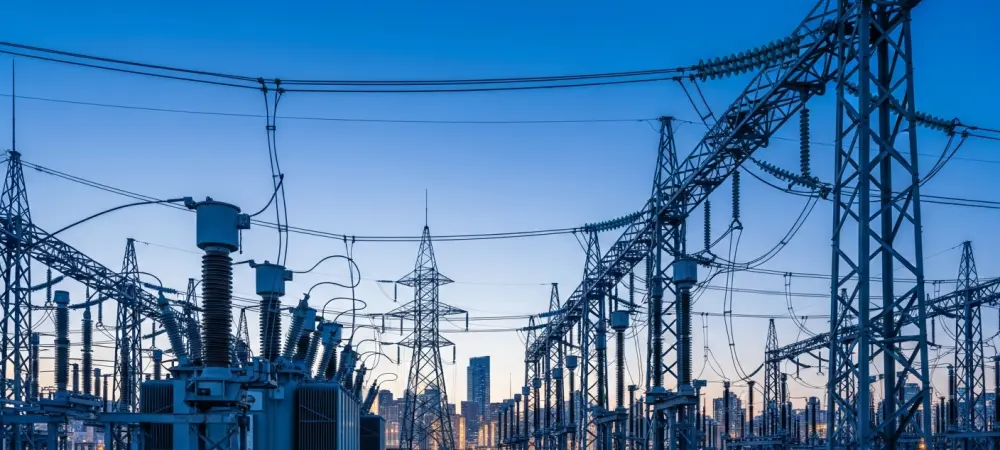
The surge in data center applications has placed immense pressure on the New York Independent System Operator, with nearly 12 gigawatts of potential load currently waiting in the connection queue. The state faces a daunting physical challenge, as building new transmission lines and sourcing critical electrical components like high-voltage transformers can now take up to a decade to complete. The moratorium serves as a necessary pause to prevent the regional grid from becoming overwhelmed by unmanageable demand that could lead to widespread instability. With a massive spike in energy requests recorded since the start of 2026, officials realized that the existing infrastructure could not keep pace with what many are calling the artificial intelligence power gold rush. By halting new permits, the state can take the time to determine which projects are most viable and least disruptive to the current distribution system. This proactive planning is essential to prevent potential system failures and ensure a reliable power supply for all residents.
Managing this influx requires more than just local oversight; it demands a total reimagining of how energy is allocated across the high-voltage transmission network during peak usage periods. The state is currently evaluating the cumulative impact of these massive loads on its ability to meet carbon reduction mandates while maintaining a stable frequency for residential and industrial users alike. If several multi-hundred-megawatt facilities were to go online simultaneously, the resulting demand could force the reactivation of older, more polluting power plants, undermining years of environmental progress. Regulators are now looking at sophisticated load-balancing technologies and battery storage solutions that could eventually allow data centers to operate without compromising the grid. However, until these technologies are fully integrated and tested, the moratorium remains the most effective tool for preventing a collapse of the current energy ecosystem. This cautious stance ensures that the state does not sacrifice its long-term environmental objectives for short-term technological expansion.
Reevaluating the Economic Impact on Taxpayers and Developers
Governor Hochul’s administration is prioritizing the protection of residential utility bills, which have seen significant increases as energy demand fluctuates across the Northeast region. The state is moving away from a model where taxpayers subsidize tech giants and toward a beneficiary pays system that shifts the financial burden of infrastructure upgrades to the developers. This ensures that the massive costs of upgrading substations, laying new fiber-optic cables, and reinforcing high-density power lines are covered by the entities creating the demand rather than the general public. By implementing this fiscal policy, New York aims to decouple the cost of technological growth from the cost of living for its citizens. Developers of large-scale facilities will now be required to prove their ability to fund these necessary enhancements before their projects can move forward in the approval process. This shift represents a fundamental change in the economic relationship between state government and the technology industry. To further align economic policy with the reality of limited infrastructure, the state is considering the repeal of lucrative sales tax exemptions previously offered to large data center operators. New financial mechanisms, such as a dedicated Grid Acceleration Fund, may be introduced to collect mandatory developer contributions for regional infrastructure projects. These changes signal a transition from an incentive-heavy recruitment strategy to a more fiscally responsible approach that acknowledges the true cost of hyper-scale computing. The revenue generated through these new fees could be reinvested into renewable energy projects, further supporting the state’s transition toward a cleaner power grid. Industry analysts suggest that this pay-to-play environment will separate serious, well-funded developers from those who rely on public subsidies to make their business models viable. Ultimately, the goal is to create a sustainable economic framework where technological advancement does not come at the expense of the state’s financial health or its residents’ affordability.
Implementing Legislative Oversight and Future Considerations
While the executive order is currently in place, the state legislature is exploring even stricter oversight through the proposed Responsible Data Center Development Act. This upcoming legislation would lower the threshold for state-level oversight to 20 megawatts and mandate separate service classifications for data centers to distinguish them from standard industrial users. On a national level, federal regulators are also beginning to investigate how these massive-load users connect to regional grids to ensure consistency across state lines. The proposed act aims to codify the environmental impact requirements, making it mandatory for developers to provide detailed plans for water conservation and heat mitigation. By lowering the power threshold, the state can capture a wider range of projects that might otherwise bypass environmental scrutiny through smaller, decentralized designs. This legislative push highlights the commitment of state leaders to create a permanent regulatory framework that survives the current executive administration and provides long-term clarity for the tech industry.
The reaction to the permit pause remained mixed throughout the initial implementation phase, highlighting a growing tension between economic growth and environmental stewardship. While some tech industry leaders warned that the new restrictions could drive investment to neighboring states, public sentiment stayed largely in favor of protecting local resources and energy stability. Many residents expressed concerns about the noise pollution and water resource depletion associated with large-scale facilities, creating a complex landscape for future development. State officials responded by emphasizing that the pause provided the necessary data to build a more resilient and equitable digital infrastructure. By taking these decisive steps, the administration established a blueprint for other regions facing similar pressures from the rapid expansion of the digital economy. The focus shifted toward long-term solutions, such as localized microgrids and advanced cooling technologies, which mitigated the impact of future facilities. This strategic pause ultimately allowed New York to secure its energy future.