

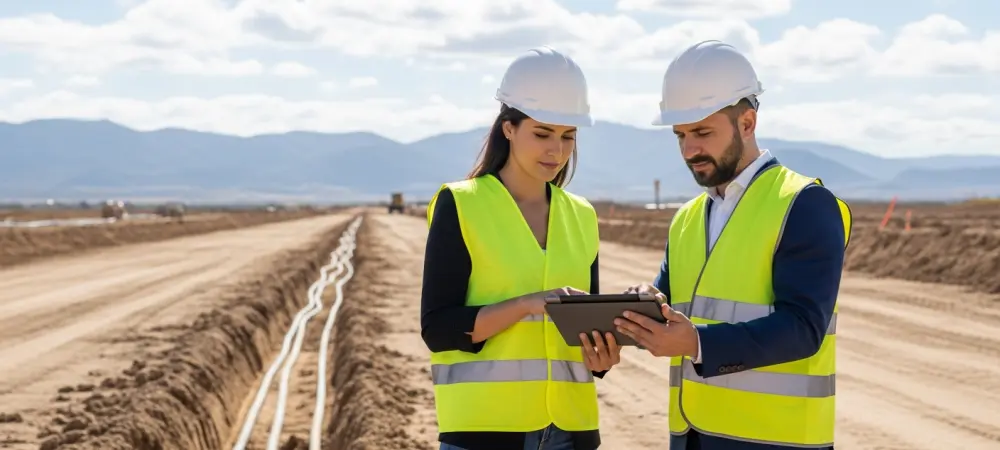
The sun-drenched plains of the Iberian Peninsula are no longer merely a landscape for tourism and agriculture; they have become the high-stakes arena for a global power struggle over digital sovereignty. As the voracious energy appetite of artificial intelligence clashes with the rigid limitations of the traditional electrical grid, a massive transformation is underway. Spain is now a critical battleground where digital infrastructure is being redefined. EdgeMode’s recent divestment of its Spanish assets represents a watershed moment in this evolution. This strategic shift from the speculative world of cryptocurrency toward the structured requirements of AI infrastructure signals a profound market change. The era of land speculation is ending, replaced by a race for sites that can actually support the next generation of computing.
This corporate reorganization serves as a bellwether for the entire industry. It highlights the growing desperation for power and land capable of accommodating the unprecedented electrical loads of AI training models. While traditional tech hubs face moratoriums, Spain’s combination of space and renewable potential has turned it into a magnet for institutional capital. EdgeMode’s pivot demonstrates that real value lies not in digital coins, but in the physical infrastructure hosting the intelligence of the future.
A Massive Power Play: The Heart of the Iberian Peninsula
Spain’s ascent as a data center powerhouse is driven by a collision between grid limitations and the explosive growth of high-performance computing. Developers are moving away from general-purpose colocation toward specialized facilities that handle the thermal intensity of modern GPUs. The divestment by EdgeMode reflects this broader reality, where assets are being transferred from early-stage developers to institutional giants with the capital to build at a gigawatt scale. This transition is about securing the fundamental resources required to maintain technological relevance in an automated world. The focus has shifted from simply owning land to possessing sites that are “Ready-to-Build”. In the current regulatory environment, the administrative hurdles required to secure power permits and environmental clearances have become the primary bottleneck. EdgeMode’s decision to offload these assets suggests a maturing ecosystem where the value of a project is determined by its proximity to construction commencement. This move allows the firm to realize significant gains while passing the heavy-lifting of operational management to firms specifically structured for the high-density requirements of AI.
Bridging the Gap: Legacy Crypto and Future Intelligence
The transition from cryptocurrency mining to AI infrastructure represents a logical progression in the utility of high-power industrial sites. Early crypto enthusiasts pioneered the art of securing large-scale power in secondary markets, but those sites must now be upgraded to meet the enterprise-grade reliability demanded by AI clients. EdgeMode is facilitating this upgrade by selling to operators who possess the technical expertise to manage complex liquid cooling systems. This highlights a trend where the speculative “wild west” of digital assets is being absorbed into the professionalized world of institutional infrastructure.
As traditional Tier 1 markets like Amsterdam reach their physical limits, the search for secondary hubs has intensified. Spain offers a compelling alternative due to its vast land availability and significant solar resources, which are essential for meeting corporate sustainability goals. The physical constraints of land and reliable, high-capacity electricity have become the ultimate gatekeepers of progress, forcing a migration toward regions that can provide both at scale.
Deconstructing the Transactions: Multi-Million Dollar Scale
The financial architecture of these divestments is complex and substantial. EdgeMode’s non-binding agreement with Pure Data Centres involves four strategic sites in Córdoba, Palma del Río, Vianos, and Cáceres. These locations represent a combined potential of 1.5 gigawatts of capacity. The deal is structured to reward development progress, with initial payments triggered by binding agreements and subsequent windfalls as projects reach the “Ready-to-Build” milestone. This tiered approach ensures that the original developer remains incentivized to navigate the final stages of the permitting process while minimizing the upfront risk for the institutional buyer. Parallel to the Pure DC deal is the sale of the “DC Malpica” project in Toledo to Spark AI Foundry. This 300MW campus represents a massive transaction valued at approximately €300 million, or roughly €1 million per megawatt. Spark AI Foundry is aggressively expanding its footprint to accommodate intensive AI workloads. By acquiring the Toledo site, they gain access to over 100 hectares of land expected to be fully permitted shortly. This acquisition demonstrates the high premium that institutional investors are willing to pay for large-scale, consolidated plots in regions with clear pathways to energy access.
Innovative Energy Solutions: The New Industry Standard
The innovation within these Spanish developments lies in their approach to energy independence. Rather than waiting for the local utility to upgrade transmission lines, the Toledo campus utilizes an “off-grid” strategy. By tapping directly into natural gas pipelines and employing solid oxide fuel cells, the site can generate its own primary power. This is supplemented by 60MW of on-site solar, creating a hybrid model that maximizes uptime while reducing reliance on a congested national grid. Such an approach is becoming the blueprint for developers who need to bypass traditional utility delays.
EdgeMode’s acquisition of a 51 percent stake in Ibersun further solidifies this “power-first” philosophy. By controlling an energy firm, EdgeMode secures expertise in Battery Energy Storage Systems and additional grid access rights. This move suggests that while the company is selling its primary land holdings, it is deepening its involvement in the underlying energy infrastructure. The ability to manage and store energy on-site is a critical differentiator in a market where the consistency of power is just as important as the total capacity. Vertical integration allows for a more resilient response to the fluctuating demands of high-performance computing.
Frameworks for Success: Navigating the AI Market
For investors attempting to replicate this model, the priority must be on securing sites with a clear path to “Ready-to-Build” status. Institutional capital is increasingly risk-averse regarding administrative delays, meaning that the value of an asset is proportional to its regulatory maturity. Developers should focus on regions where local governments are proactive about digital infrastructure and where environmental impact assessments can be fast-tracked. By eliminating the uncertainty of the pre-development phase, firms can attract the massive scale of funding required to compete in the gigawatt-scale AI market.
Adopting a “power-first” selection process and tiered compensation structures can also mitigate financial risks. Focusing on proximity to gas infrastructure or renewable clusters, rather than traditional urban substations, provides a much faster route to market. Furthermore, performance-based kickers tied to leased IT capacity ensure that development goals align with the needs of the end-users. This methodology encourages the creation of high-density environments tailored for modern hardware, moving away from the “one-size-fits-all” approach of legacy colocation. Those who control the power and the permitting will ultimately define the boundaries of the digital landscape.
The strategic divestment of these Spanish assets marked a turning point for the regional digital economy. Investors recognized that the scarcity of power was the defining challenge of the era, leading to a surge in creative energy solutions. Stakeholders prioritized vertical integration and the acquisition of localized energy storage to bypass traditional bottlenecks. Moving forward, developers found success by focusing on site maturity and off-grid resilience. The market shifted toward high-density facilities that balanced immediate capacity needs with long-term sustainability goals. This evolution proved that the foundation of the AI revolution was built on physical land and reliable electricity. Future projects adopted these frameworks to ensure that infrastructure kept pace with the accelerating demands of global intelligence.