

A Legislative Pause Button: New York’s Bid to Rein in Data Center Growth
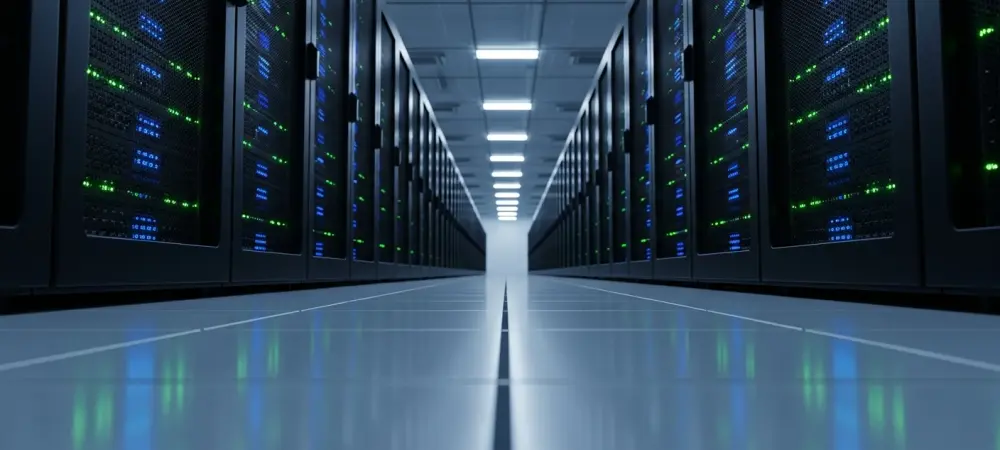
New York State is on the verge of a landmark decision that could reshape its digital landscape, with lawmakers considering a bill that would impose a three-year, statewide moratorium on the construction of new data centers. The proposed legislation, S.9144, represents a critical intersection of technology, energy policy, and environmental stewardship. This article explores the motivations behind this drastic measure, places it within a growing national context of resistance, and examines the potential long-term consequences for the tech industry and the state. By analyzing the arguments for the bill and the varying legislative approaches across the country, we can understand the mounting pressures forcing a re-evaluation of the true cost of our digital world.
From Local Protests to State-Level Action: A National Trend Emerges
The proposed moratorium in New York is not an isolated event but rather the latest chapter in a broader, national narrative of pushback against the rapid proliferation of data centers. Historically, opposition to these facilities was fragmented and localized, with city councils and county boards addressing community concerns. However, a significant shift is underway. New York is now the sixth state to contemplate sweeping legislative action, following similar initiatives in Virginia, Oklahoma, Maryland, Georgia, and Michigan. This transition from localized skirmishes to coordinated, state-level legislative battles signifies a new phase in the debate over digital infrastructure, reflecting how widespread public concerns about energy consumption, environmental impact, and utility costs are now powerfully influencing state politics.
Deconstructing the Push for a Statewide Halt
The Environmental and Economic Rationale Behind the Moratorium
At the heart of the New York bill is a deep-seated concern over the immense environmental and economic burdens associated with data centers. Proponents of the legislation, led by State Senator Elizabeth Krueger, label these facilities as “energy-guzzling” giants that offer minimal economic benefits to local communities. The core argument is twofold: first, that their massive electricity consumption strains the grid and drives up utility rates for residential customers; second, that they contribute significantly to environmental degradation. This position is staunchly supported by environmental organizations like Food & Water Watch, which highlight the industry’s overreliance on fossil fuels and its substantial water usage and solid waste generation as critical threats that warrant a temporary halt for a comprehensive impact assessment.
A Patchwork of Policies: Comparing State-Level Legislative Strategies
As states grapple with the data center boom, a variety of legislative strategies have emerged, showcasing a nuanced and evolving approach to regulation. While some local authorities have implemented indefinite bans, state-level proposals have largely favored temporary moratoria designed to provide a “cooling-off” period for study and policy development. These measures differ in their structure. For example, the bills in New York and Oklahoma propose a fixed three-year pause, and Virginia’s was for two years. In contrast, Maryland’s proposed moratorium is conditional, not time-based; it would be lifted only after new legislation is enacted requiring data centers to be co-located with a dedicated power generation facility. This mix of time-bound and condition-based restrictions illustrates a legislative search for a balanced approach to managing industry growth.
Navigating the Legislative Labyrinth: The Path Forward for Bill S.9144
Despite the strong arguments from its supporters, the New York bill faces a significant legislative journey before it can become law. Currently, the proposal is under review by the Environmental Conservation Committee, which serves as the first major hurdle in its path. To be enacted, the bill must gain approval from this committee and then pass a vote in both the State Senate and the Assembly. This process ensures thorough vetting and opens the door for intense lobbying from both the tech industry, which opposes such restrictions, and environmental advocates. The outcome remains uncertain, but the bill’s progression through the legislative process will be a key indicator of the state’s future policy direction regarding digital infrastructure.
The Future of Digital Infrastructure: A New Era of Scrutiny and Sustainability
The wave of state-level legislative actions, including New York’s proposed moratorium, signals a pivotal moment for the data center industry. This era of heightened scrutiny is likely to accelerate the push for innovation in sustainable data center design and operation. Faced with regulatory headwinds and public opposition, companies may be compelled to invest more heavily in renewable energy sources, advanced water-cooling technologies, and more efficient hardware. Furthermore, this trend could trigger a strategic geographic shift, with developers favoring states and regions that offer not only favorable tax incentives but also robust green energy infrastructure and clear, predictable regulatory frameworks. The industry’s ability to adapt and proactively address environmental concerns will be crucial to its long-term growth and social license to operate.
Key Considerations for a Digitally Dependent Future
The core takeaways from New York’s proposed legislation are clear: the unchecked expansion of data centers is facing a powerful regulatory reckoning driven by legitimate environmental and economic concerns. This movement is not isolated but part of a national trend that industry stakeholders can no longer ignore. For tech companies, the path forward requires a strategic pivot toward transparency and sustainability, actively engaging with communities and investing in green technologies. Policymakers, in turn, must develop balanced regulations that support technological progress without sacrificing environmental health or overburdening public utilities. For the public, understanding the hidden energy and resource costs of our digital lives is the first step toward advocating for a more sustainable and equitable technological future.
Conclusion: Balancing Digital Demand with Environmental Responsibility
The debate surrounding New York’s bill to halt data center construction encapsulates a fundamental challenge of the 21st century: how to power our increasingly digital world without compromising our planet’s future. The proposal serves as a powerful reminder that the cloud is not an ethereal concept but a network of physical, resource-intensive facilities with tangible local impacts. As New York and other states navigate this complex issue, their decisions will set important precedents for the future of digital infrastructure. Ultimately, fostering a sustainable relationship between technology and the environment requires a collaborative effort, demanding that industry leaders, policymakers, and consumers work together to build a digital future that is not only innovative but also responsible.