

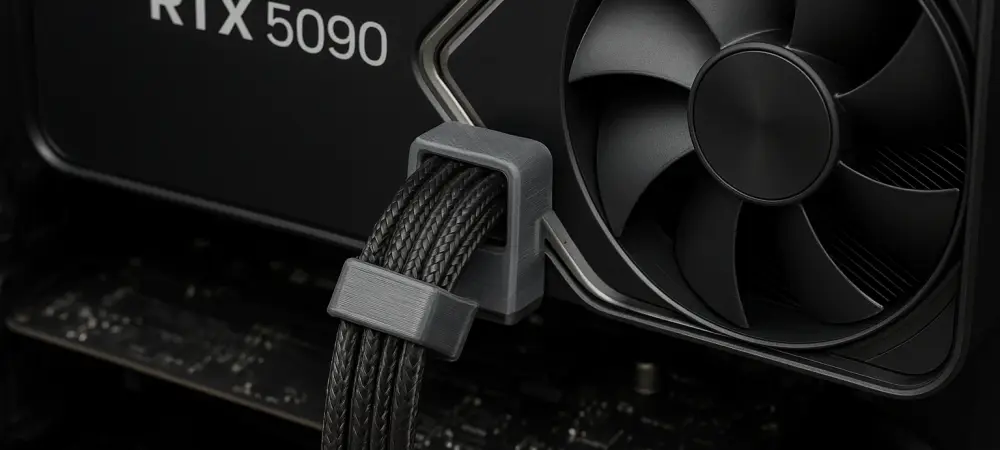
The release of the GeForce RTX 5090 has undoubtedly redefined the boundaries of consumer graphics performance, but it has also reignited persistent anxieties regarding the physical reliability of high-wattage power connectors. While the transition to the 12V-2×6 standard was intended to resolve the mechanical failures seen in the previous generation, reports of melting cables continue to surface in niche enthusiast communities as current loads reach unprecedented heights. The underlying issue often stems from micro-gaps in the connection or subtle cable bends that increase electrical resistance, leading to thermal runaway that can destroy expensive hardware within minutes of operation. To address this vulnerability, a community-driven open-source initiative has emerged, offering a proactive monitoring solution designed to detect these thermal anomalies before they reach a catastrophic failure point. This tool represents a significant shift from passive hardware safety to active software-based oversight, giving users the peace of mind necessary to push their flagship cards to their absolute theoretical limits without the constant fear of seeing smoke rise from their PC chassis during intensive workloads or prolonged rendering sessions.
Physical Vulnerabilities in High-Wattage Graphics Hardware
Connector Constraints: The Challenges of the 12V-2×6 Standard
High-wattage components require a stable and efficient delivery of electricity, yet the physical interface remains a point of significant vulnerability as power requirements continue to climb in the enthusiast segment. The 12V-2×6 connector was engineered to handle upwards of 600 watts, but the margin for error is remarkably slim when current density reaches these levels in a compact form factor. Even a slight misalignment or an imperfect seating of the pins can cause localized resistance to skyrocket, generating intense heat that plastic housings cannot withstand for extended periods. This phenomenon is exacerbated by the sheer size of modern GPUs, which often forces users to bend cables at steep angles to fit them within standard case dimensions, compromising the integrity of the contact points. Such bends can pull pins out of alignment by mere fractions of a millimeter, creating an uneven load distribution across the remaining contacts. Consequently, hardware is subjected to thermal stresses that the internal safety sensors might not immediately recognize as a failure, allowing the connector to reach critical temperatures long before the power supply triggers a shutdown.
Thermal Runaway: Understanding Localized Resistance Spikes
When proprietary solutions from manufacturers fall short of addressing every edge case, the open-source community frequently steps in to provide the necessary safeguards for expensive hardware. The development of a dedicated thermal monitoring utility specifically for the RTX 5090 series highlights a growing trend of users taking hardware preservation into their own hands rather than relying solely on factory specifications. By leveraging the telemetry data already being collected by modern power stages and voltage regulators, developers have created a layer of observation that was previously unavailable to the average user through standard diagnostic software. This utility does not simply report temperatures; it analyzes the delta between various sensor points to identify patterns indicative of a failing connection or an improperly seated cable. If the temperature at the connector header begins to deviate from the expected thermal profile based on the current power draw, the utility can flag the discrepancy instantly to prevent damage. This approach provides a granular level of protection that goes beyond the binary state of traditional fuses, allowing for a more nuanced management of high-power hardware in diverse environments.
Software-Based Safeguards and Real-Time Mitigation
Telemetry Integration: Accessing Low-Level Sensor Data
Accessing the necessary data points requires the software to interface directly with the Management Component Transport Protocol and other low-level communication channels within the system architecture. Modern graphics cards are equipped with an array of internal sensors, but this information is frequently buried within manufacturer-specific drivers or hidden from standard third-party monitoring tools available on the market. The open-source utility bypasses these limitations by utilizing specific firmware hooks that allow it to read the thermal state of the power input pins in real-time with high precision. This level of access is crucial because it enables the detection of heat spikes that occur locally at the interface rather than at the GPU core or memory modules, which may remain cool even as the connector melts. By polling this data at high frequencies, the tool can create a high-fidelity map of the power delivery health, ensuring that any thermal build-up is noticed within milliseconds. Furthermore, the tool is designed to be lightweight, running as a background service that consumes negligible system resources, thereby ensuring that the performance gains of the flagship card are not hindered by the safety software.
Adaptive Response: Automating Hardware Protection Protocols
Beyond simple monitoring, the tool offers an active response mechanism that can intervene when it detects hazardous conditions that could lead to physical hardware damage. Once a thermal threshold is breached, the software can automatically trigger a series of mitigation steps, such as capping the maximum power draw or forcing a lower voltage state on the graphics card to cool the connection. This proactive throttling is far more effective than a hard system crash, as it prevents the connector from reaching the melting point of its plastic components while still allowing the system to remain operational for a safe shutdown. Users can customize these thresholds based on their specific hardware configuration and tolerance for risk, providing a flexible safety net that adapts to different cable qualities and power supply specifications used in the build. In addition to internal adjustments, the utility can provide external alerts through visual overlays, informing the user that their hardware requires immediate physical inspection. This multifaceted strategy ensures that the risk of permanent damage is minimized, shifting the burden of safety from manual observation to an automated, data-driven system.
Future Standards: Establishing Long-Term Hardware Safety
Owners of high-end graphics cards effectively reduced the risk of physical hardware failure by adopting these sophisticated monitoring strategies during the initial rollout of the newest hardware generation. The successful implementation of these open-source tools demonstrated that community-driven software could compensate for the inherent mechanical limitations of high-wattage power standards effectively. Users who prioritized the longevity of their components integrated these utilities into their daily workflows, ensuring that any thermal irregularity was addressed long before it could result in a permanent loss of equipment. Moving forward, the industry likely looked toward these community developments as a blueprint for more robust, built-in safety features in future hardware iterations to prevent similar issues. The proactive stance taken by enthusiasts emphasized the importance of transparent telemetry and user-accessible diagnostic data in maintaining the reliability of complex electronic systems during high-load scenarios. By focusing on preventive measures rather than reactive repairs, the community established a new standard for hardware care that protected valuable investments and encouraged more responsible power management practices across the entire high-performance computing landscape for years to come.