

Dominic Jainy is a seasoned strategist in the mobile telecommunications sector, known for his deep understanding of how hardware evolution intersects with global supply chain dynamics. With years of experience tracking the trajectory of flagship devices, he offers a unique perspective on how manufacturers balance consumer expectations for innovation against the harsh realities of rising production costs. As the industry prepares for the next major leap in mobile technology, Jainy provides a comprehensive look at the upcoming flagship landscape, exploring the nuances of display engineering, the strategic expansion of device tiers, and the economic pressures currently reshaping memory and storage configurations. Our conversation delves into the shift toward more diverse model lineups, the subtle yet impactful refinements in aesthetic design, and the tactical decisions brands are making regarding launch incentives and pricing structures in a tightening market.
With rumors circulating about a shift to a four-model flagship lineup, how do you see the introduction of a new intermediate size affecting the overall user experience and market positioning?
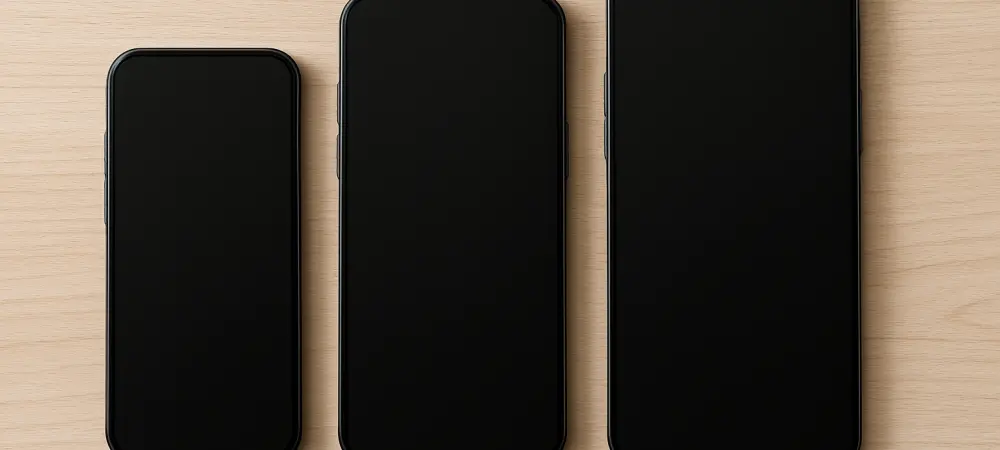
The expansion to a four-model strategy is a calculated move to bridge the gap for users who find the standard 6.27-inch display a bit too restrictive but aren’t ready for the 6.66-inch footprint of a Plus model. By introducing a 6.47-inch “Pro” variant, the lineup offers a sweet spot that emphasizes ergonomic comfort without sacrificing the visual immersion that modern apps demand. This diversification allows for a more granular approach to market segmentation, ensuring that there is a physical form factor for every hand size and usage habit. From a manufacturing standpoint, it shows a commitment to precision engineering, as they are now managing four distinct display panels ranging from that compact 6.27-inch base up to the massive 6.89-inch Ultra. It’s about providing a “just right” option that could potentially capture a segment of the audience that previously felt forced to compromise.
The latest leaks suggest that while the overall aesthetic remains familiar, the highest-end model is pushing the boundaries of display efficiency. What is your take on these subtle design refinements?
We are seeing a trend where the “if it isn’t broken, don’t fix it” philosophy meets surgical-level hardware improvements. While the standard and Plus models seem to be maintaining their iconic silhouettes, the Ultra model is rumored to feature even slimmer bezels around its 6.89-inch screen, which is a significant feat of industrial design. When you reduce the border thickness on a device that large, the sensory experience becomes much more immersive, making the hardware feel like it’s disappearing behind the content. Using privacy-tempered glass protectors in early leaks also hints that the front-facing technology, including sensors and camera placement, is being integrated more seamlessly into that 6.89-inch canvas. It is a game of millimeters, but for the premium user, those millimeters represent the pinnacle of modern display craftsmanship.
How are the rising costs of semiconductors and components influencing the decisions behind memory and storage configurations for this upcoming generation?
The industry is currently navigating a very complex economic landscape where the cost of high-performance components is forcing some tough choices in the boardroom. We are seeing a range of RAM options, with the standard and Plus models likely sticking to 8GB or 12GB, while the 16GB tier remains a premium differentiator for the Ultra and potentially a high-spec Pro. To manage these surging semiconductor expenses, there is a strong possibility that different versions of UFS storage will be utilized across the lineup, which is a clever way to maintain performance where it matters most while controlling the bill of materials. The fact that the 1TB storage option is being kept exclusive to the Ultra model, paired with 16GB of RAM, shows that they are leaning into a “luxury tier” to offset the slimmer margins on the entry-level 256GB and 512GB variants. It is a balancing act of offering enough power to satisfy enthusiasts while keeping the base models accessible to a broader audience.
Given the pressure on production budgets, what shifts should consumers expect regarding traditional launch incentives and the overall cost of ownership?
The days of aggressive, no-cost storage upgrades during the pre-order phase might be tapering off as brands look for ways to protect their bottom line. Instead of a free jump from 256GB to 512GB, we might see a shift toward ecosystem-based incentives, such as charger coupons or significant discounts on peripheral hardware like the latest Buds or Watch series. We are also seeing a heavier reliance on service-based value, with Google subscription bundles lasting anywhere from six to 12 months to add perceived value without the high overhead of hardware giveaways. Consumers should be prepared for a potential uptick in the base MSRP across the series, as the cumulative cost of these advanced 6.27-inch to 6.89-inch panels and high-speed RAM eventually has to be reflected in the retail price. The goal for the manufacturer will be to soften that blow through these diverse software and accessory benefits.
What is your forecast for the flagship smartphone market?
I anticipate that the market will move toward a “modular premium” structure where the hardware remains stable for longer cycles, but the internal specifications become highly customizable based on the user’s specific professional needs. We will likely see a future where the distinction between a “phone” and a “mobile workstation” becomes even more blurred, with 16GB of RAM and 1TB of storage becoming the baseline for power users who leverage their devices for AI-heavy tasks and high-resolution content creation. As display technology plateaus in terms of sheer size—peaking around that 6.89-inch mark for pocketable devices—the real innovation will shift toward under-display sensor transparency and even more aggressive battery efficiency. Ultimately, the success of future flagships will depend on how well they integrate into a wider ecosystem of wearables and services, turning the smartphone into the undisputed hub of a digital life that is increasingly demanding and always connected.