

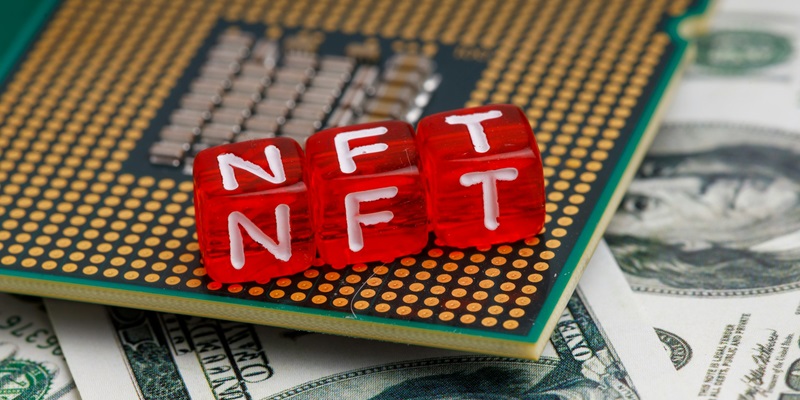
The world of digital art and ownership is experiencing an unprecedented transformation with the advent of Non-Fungible Tokens (NFTs). These unique digital assets, underpinned by the immutable and transparent ledger of blockchain technology, are redefining what it means to own and collect digital creations. NFTs have swept across the market, introducing new layers of complexity to the concept of ownership and the distribution of artwork in the digital realm. As collectors and creators alike seek to capitalize on this blossoming space, understanding the intricacies of rights and the associated risks has become more crucial than ever. This article aims to unpack the essentials of NFTs, the intellectual property landscape, and the risks involved, guiding enthusiasts through the swiftly evolving world of digital assets.
The Basics of NFTs and Digital Ownership
In the past, digital ownership was a nebulous concept, with endless copies of any given work easily reproduced. NFTs have brought clarity to this chaos by providing a way to designate a single, verifiable owner of a digital asset. Each NFT has its unique identifier which separates it from any other asset on the blockchain, thereby establishing a one-of-a-kind digital fingerprint. However, purchasing an NFT often does not equate to the acquisition of the copyright to the work itself—a point of confusion among many buyers. Instead, the NFT acts as a certificate of authenticity or a collector’s item, confirming that the holder owns a ‘token’ representing the artwork, not the artwork’s intellectual property.
Owning an NFT can be likened to holding a rare trading card. The physical card is yours, the experience of possessing it is unique, and it can be sold or traded. Yet, this does not grant rights to reproduce and distribute the image on the card. Similarly, with NFTs, buyers must understand the nuances of copyright to appreciate what they are genuinely acquiring: a slice of digital history, the pride of supporting an artist, and perhaps a piece of art that resonates on a personal level.
Intellectual Property in the Age of NFTs
The boom in NFTs raises crucial intellectual property concerns. Importantly, acquiring an NFT typically doesn’t mean acquiring the copyright; the original creator usually retains these rights, allowing them to keep producing and disseminating their work. This reality might surprise buyers, yet it’s a key legal safeguard for artists’ creative freedoms while enabling them to capitalize on digital sales.
Understanding the specific terms and conditions set by different NFT platforms is vital, as they outline the scope of rights that come with an NFT purchase. These terms can differ widely, and overlooking them could lead to legal issues or wrong assumptions about the usage rights of the NFT. A comprehensive grasp of these stipulations is essential for everyone involved to ensure an equitable transaction and to safeguard their legal and financial stakes in the increasingly complex digital asset domain.
The Perks of Smart Contract Royalties
A groundbreaking feature of NFTs is the ability to program royalties directly into the smart contracts that mint them. Through this innovation, artists can secure a percentage of sales every time their work is resold on the secondary market. This perpetual income stream not only recognizes the artist’s continual contribution to the value of the work but could also revolutionize economic models for digital creators. The potential for a sustainable income supports a more artist-centric approach than what has been traditionally possible, particularly in the digital domain where replication and distribution are effortless.
These embedded royalties have spurred a growing interest from artists, collectors, and investors, laying down a path for a more equitable creative economy. This model not only incentivizes the creation and collection of digital assets but also fosters a cycle of reinvestment in the artistic community. For creators venturing into the NFT space, this means crafting their smart contracts with careful consideration to ensure that they are fairly compensated for their ongoing contribution to their work’s legacy.
Environmental Impacts and Ethical Considerations
Despite the excitement surrounding NFTs, the environmental impact of cryptocurrency and blockchain technology cannot be overlooked. The proof-of-work mechanism that underpins networks like Ethereum requires significant computational power and, thus, substantial energy consumption, leading to a sizable carbon footprint. As the popularity of NFTs grew, so did concerns regarding their ecological effects, prompting a rally for solutions that minimize environmental damage.
The push towards adopting energy-efficient consensus mechanisms such as proof-of-stake signifies the community’s commitment to responsible innovation. This shift not only addresses the urgent call for sustainability but also paves the way for a future where the ethical implications of technological advances are given due consideration. It is a dynamic period where technology must align with the pressing need to preserve the environment while catering to the burgeoning digital economy.
Market Volatility and the Importance of Due Diligence
Navigating the NFT market’s uncharted waters requires caution, as its volatility can lead to significant financial peaks and troughs. The exciting rush to own a piece of digital art or collectibles must be balanced with an awareness of the risks. Investors and collectors must exercise robust due diligence—validating the authenticity of NFTs, thoroughly researching creators, and engaging with known and respected platforms—to protect their investment and participate safely in the market.
This careful approach is essential in guarding against scams and impulsive decisions that could lead to financial loss. By being well-informed and vigilant, participants can enjoy the advantages of the NFT space while mitigating the inherent risks of this emerging market. The success of navigating this digital frontier relies on an in-depth understanding of the technologies, legal frameworks, and market dynamics at play.
Embracing Change in the Digital Frontier
As we chart a course through the evolving terrain of NFTs, it’s clear that they represent a collision of innovation, creativity, and technology. The increasing merger of the digital and physical worlds through NFTs is facilitating a new era of expression and ownership. Yet, this comes with the responsibility to understand and adapt to the changes that NFTs bring to the digital landscape, especially concerning rights and risks.
Embracing this shift demands a proactive approach to education and ethical engagement within the space. The potential of NFTs to reshape the way we value digital assets is immense, but so is the need for careful stewardship. Those willing to navigate this revolution mindfully will be best positioned to reap its rewards and contribute to a sustainable, vibrant future for digital arts and ownership.