

The visual effects industry has reached a pivotal moment where the fragmentation of generative video tools is finally yielding to cohesive, high-fidelity multimodal platforms that produce broadcast-ready content in seconds. This transformation marks the end of the era defined by three-second experimental clips that required hours of manual interpolation and heavy post-production filtering to appear professional. By moving into a native thirty-second generation window, these tools now align perfectly with standard broadcasting slots and social media advertisement requirements. This shift represents more than just a technical improvement in duration; it is a fundamental restructuring of how visual narratives are constructed from the ground up. Production teams no longer struggle with the persistent continuity errors that once plagued early video generation models, as modern engines maintain spatial and temporal stability throughout the entire sequence. This reliability allows creators to move past the limitations of the past and focus on the artistic direction of their campaigns without the constant fear of technical failure.
Mastering Brand Consistency Through Multimodal Inputs
A primary challenge in digital marketing has always been the strict maintenance of brand identity across varied media assets, a task that has been simplified by the advent of multimodal reference stacks. Instead of relying solely on linguistic descriptions, which often fail to capture the nuance of a corporate aesthetic, production teams now utilize a comprehensive layer of reference files including high-resolution images, previous video campaigns, and specific color palettes. This architecture allows the AI to “lock in” the visual DNA of a company, ensuring that every generated frame adheres to established brand guidelines with mathematical precision. By feeding the engine dozens of distinct reference images, creators can define everything from the specific curve of a product’s silhouette to the exact temperature of the studio lighting. This level of control has turned the generative process from a game of chance into a predictable, high-speed rendering pipeline that serves the specific needs of major global enterprises.
Beyond simple character or product recognition, these multimodal systems have introduced a concept known as “controlled continuity,” which is essential for professional-grade storytelling. This approach ensures that characters retain their exact likeness and environmental details remain consistent even as the virtual camera executes complex maneuvers or the lighting conditions shift dynamically. In the past, achieving this level of stability required massive manual intervention or traditional 3D modeling that took weeks to complete. Now, the AI functions as a sophisticated engine guided by existing brand assets, allowing for the creation of long-form sequences where the protagonist and their surroundings do not morph or jitter between frames. This technical maturation enables agencies to produce cinematic content that feels intentional and curated, effectively bridging the gap between high-budget studio productions and agile, AI-driven content creation for a digital-first audience.
Engineering High-Resolution Assets for Professional Workflows
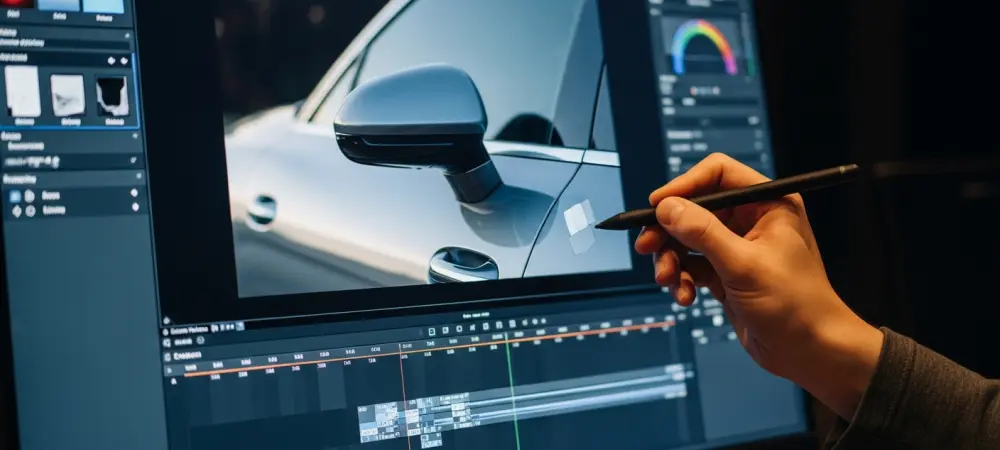
High-resolution output has transitioned from a luxury to a functional necessity, with native 4K generation now serving as the baseline for any serious commercial production workflow. The importance of 4K goes beyond the immediate visual clarity; it provides a vital “pixel budget” that offers editors the flexibility to manipulate footage during the post-production phase without sacrificing quality. For instance, a single horizontal 4K sequence can be cropped or “punched in” to create vertical content for social platforms or square assets for digital storefronts while maintaining crisp detail. This “create once, deploy everywhere” strategy has become the cornerstone of efficient marketing, allowing a single master asset to satisfy the diverse requirements of a global multi-platform campaign. Without this high resolution, the utility of generative video would remain confined to small-screen viewing, but with it, AI-generated content is now indistinguishable from footage captured on professional cinema cameras. In conjunction with high resolution, the development of surgical localized editing has revolutionized the feedback loop between creative directors and the production engine. Previously, a minor flaw such as a distorted logo or an incorrect reflection would necessitate a full regeneration of the entire video, wasting both time and computational resources. Modern localized tools allow operators to isolate specific regions of a frame for targeted updates, preserving the successful elements of a shot while fixing isolated errors with surgical precision. This capability mirrors the functionality of traditional industry software, making it easier for veteran editors to integrate AI into their existing pipelines. By offering the ability to “paint over” mistakes or swap out specific objects within a 30-second sequence, these tools have significantly reduced the cost of revisions. This granular level of control ensures that the final product meets the exacting standards of corporate clients who cannot afford even the slightest deviation.
Scaling Global Campaigns Through Automated Production Pipelines
The ability to scale creative output has become a defining characteristic of modern enterprise operations, particularly for global marketing agencies managing diverse regional requirements. These agencies now utilize generative platforms to produce localized campaigns by swapping cultural markers, languages, or seasonal themes within a single core visual concept. For example, a beverage company can generate a summer-themed advertisement for one hemisphere and a winter-themed version for another simultaneously, using the same underlying narrative structure. This dynamic capability allows for a level of personalization and relevance that was previously cost-prohibitive for all but the largest brands. By automating the production of localized variations, companies can ensure that their messaging resonates with specific target demographics while maintaining a unified global brand voice, effectively multiplying the impact of their creative investments across multiple markets.
Furthermore, directors and cinematographers are increasingly leveraging these generative tools for advanced spatial previsualization, which has fundamentally changed the pre-production phase of physical shoots. By digitally testing complex lighting setups, camera blocking, and set designs before ever stepping onto a physical stage, production teams can identify potential challenges and refine their vision in a virtual environment. This process, often referred to as “previs,” allows for a more efficient use of time on set, as the most difficult creative decisions have already been resolved through AI simulations. The speed at which these 30-second sequences can be generated means that directors can explore dozens of different artistic directions in a single afternoon. This collaborative interplay between digital simulation and physical production ensures that the final cinematic output is both creatively ambitious and technically sound, providing a robust framework for high-end commercial storytelling.
Implementing Robust Governance for Sustainable Creative Operations
As generative technologies become more deeply embedded into the fabric of professional workflows, the industry has placed a renewed focus on brand safety and the establishment of clear governance frameworks. It is no longer enough for a video to look professional; it must also be legally compliant and ethically sourced to protect the reputation of the enterprise. This has led to the adoption of advanced provenance tracking, where every element of a generated asset is documented to ensure that all reference materials were properly licensed and authorized. Creative and legal teams now serve as the final arbiters of quality, overseeing the AI’s output to ensure it aligns with both aesthetic standards and regulatory requirements. This human-led oversight is crucial for maintaining the integrity of a brand, as it prevents the accidental inclusion of protected intellectual property and ensures that the final message remains entirely within the company’s control.
The industry finalized the transition to multimodal ecosystems by focusing on the seamless integration of human intuition and automated precision. Production houses recognized the necessity of these tools and implemented strict guidelines to govern their use in commercial projects. Organizations prioritized the retraining of staff to master the intersection of prompt engineering and traditional cinematography, ensuring that the technology served the vision rather than dictating it. This shift allowed marketing departments to regain control over their creative budgets while maintaining high aesthetic standards across global platforms. Leaders established protocols for asset verification and standardized reference libraries to maintain consistency across every campaign. These strategic choices solidified the role of AI as a fundamental pillar of modern commercial media, shifting the focus from experimental curiosity to a reliable industrial standard. By embracing these workflows, brands secured a definitive competitive advantage in the digital economy.