

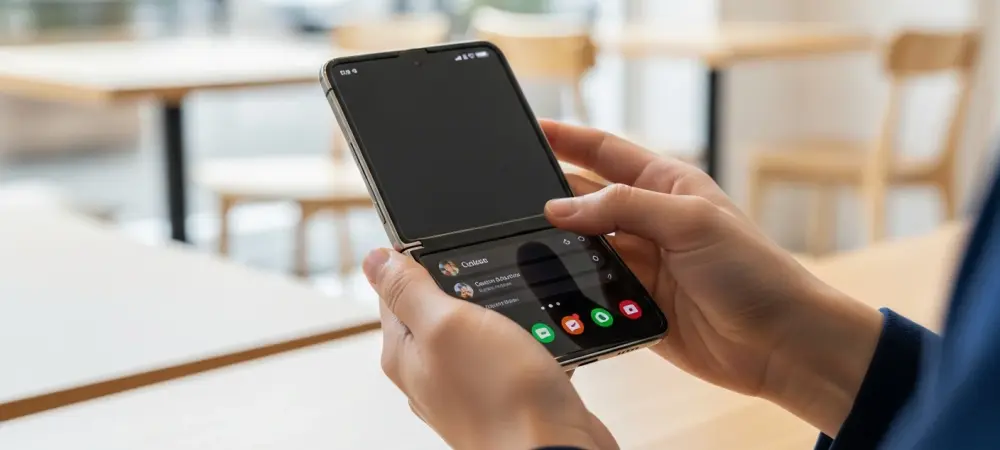
The rapid maturation of the foldable smartphone market suggests that what was once a niche curiosity is now a significant force in mobile technology, pushing the boundaries of design and user interaction. This review explores the anticipated evolution of Motorola’s iconic clamshell design through the Razr 70, analyzing its key features, projected performance metrics, and its potential impact on an increasingly competitive foldable landscape. The purpose of this analysis is to provide a comprehensive understanding of this emerging device, its expected capabilities, and its potential to shape the future of foldable development.
An Evolving Legacy Introducing the Razr 70
The Motorola Razr 70 represents the next chapter in a lineage that skillfully blends nostalgia with innovation. Building on the foundation of its predecessors, it embodies the core principles of a modern clamshell foldable: a compact, pocket-friendly device that unfolds into a full-sized smartphone. Its recent appearance in regulatory databases, specifically under the model number XT2657-8, signals that its official launch is imminent, moving it from the realm of speculation into tangible reality.
As the direct successor to last year’s Razr 60, the Razr 70 is poised to refine the user experience rather than reinvent it. It enters a market where foldable technology is no longer a novelty but a key battleground for major manufacturers. Therefore, its relevance will be measured not just by its own merits but by how effectively it advances the clamshell form factor and addresses the demands of a more discerning consumer base.
Core Hardware and Feature Analysis
Design and Build Quality
The physical design of the Razr 70 is expected to continue the sleek, clamshell form factor that has defined the series. Attention will likely focus on refining the hinge mechanism, aiming for a more seamless fold with a less noticeable crease and enhanced durability over its lifespan. While its predecessor established a solid ergonomic baseline, incremental improvements in weight distribution and material choices could further elevate its in-hand feel, making it more comfortable for extended use.
Compared to the Razr 60, subtleties in its construction will be critical. The choice between materials like polished aluminum for the frame and textured vegan leather or glass for the back panel will define its aesthetic and premium appeal. These elements, combined with potential advancements in water and dust resistance, will be crucial in positioning the Razr 70 as a robust and sophisticated daily driver.
Dual Display Technology
At the heart of the Razr 70 experience are its two distinct screens. The main 6.9-inch pOLED foldable display is anticipated to retain its predecessor’s size but may see an upgrade in its refresh rate or peak brightness, promising smoother visuals and better outdoor legibility. The quality of this panel is paramount, as it serves as the primary interface for content consumption and productivity. Simultaneously, the 3.63-inch pOLED cover screen remains a key differentiator, offering significant functionality without needing to open the device. Enhancements here could focus on software integration, allowing more complex interactions, running fuller versions of apps, and providing a more versatile canvas for notifications and quick replies. An improved cover display solidifies the device’s utility as both a compact communicator and a full-featured smartphone.
Internal Performance and Power
The engine driving the Razr 70 is projected to be a significant upgrade from the MediaTek Dimensity 7400X found in the Razr 60. This anticipated chipset improvement is essential for keeping pace with competitors, ensuring fluid performance in demanding applications and enhancing overall system responsiveness. A more powerful and efficient processor will directly translate to a smoother user experience, from launching apps to intensive multitasking.
Supporting the new chipset, the device is expected to feature competitive RAM and storage configurations, likely starting from a baseline that supports seamless operation. This combination of processing power and memory is critical for handling the unique software demands of a foldable device, such as running apps on the cover screen while maintaining background processes for the main display.
Camera System Breakdown
The Razr 70 is expected to feature a capable dual-camera system, likely led by a 50MP primary sensor and a 13MP ultrawide lens. While these specifications mirror its predecessor, the true advancements will likely come from improved image processing software and sensor quality. These enhancements aim to deliver sharper, more vibrant photos across various lighting conditions. The 32MP front-facing camera will serve selfie and video call needs when the device is open.
Where the camera system truly shines is in its synergy with the foldable design. The ability to use the main 50MP camera for high-quality selfies, framed using the cover screen, remains a standout feature. Furthermore, the clamshell form factor allows the phone to act as its own tripod, enabling unique angles for photography and hands-free video recording, transforming a standard camera setup into a more versatile creative tool.
Software Experience and Daily Usability
Motorola’s software philosophy, which favors a clean version of Android with thoughtful additions, is expected to be a cornerstone of the Razr 70’s user experience. The latest operating system will be optimized for the dual-screen format, introducing new gestures and features that make navigating between the cover and main displays more intuitive. These optimizations are crucial for ensuring that the foldable design enhances, rather than complicates, daily use. The focus will be on seamless continuity, where tasks initiated on the cover screen can be smoothly transitioned to the larger internal display upon opening the device. Enhancements to Motorola’s custom interface will likely introduce more personalization options for the cover screen, allowing users to tailor shortcuts and widgets to their specific needs, thereby improving overall efficiency and making the device a more personal and productive companion.
The Razr 70 in the Real World
In practical, day-to-day scenarios, the Razr 70’s unique form factor offers distinct advantages. For communication, the ability to quickly glance at notifications and send brief replies from the cover screen without fully engaging with the phone is a significant convenience. During video calls, the device can be placed on a flat surface in a partially folded position, providing a stable, hands-free experience that is superior to propping up a traditional smartphone.
Content consumption is also transformed, as the large internal screen provides an immersive canvas for videos and articles, which then folds away to a compact size for easy portability. For photographers, the device unlocks new creative possibilities. The cover screen acts as a viewfinder for subjects, allowing them to see their pose while the user operates the high-quality main cameras, resulting in better portraits and group shots.
Competitive Landscape and Market Challenges
Despite its promising features, the Razr 70 enters a fiercely competitive market. Its primary challenge comes from established rivals like Samsung’s Galaxy Z Flip series, which has cultivated a strong brand presence and a loyal user base. To succeed, Motorola must differentiate the Razr 70 not only through design and features but also through aggressive pricing and effective marketing that highlights its unique value proposition.
Beyond direct competition, the device faces broader market hurdles inherent to all foldables. Consumer concerns about the long-term durability of flexible screens and hinge mechanisms remain a significant barrier to widespread adoption. Overcoming these perceptions of fragility through demonstrated reliability and robust build quality will be essential for the Razr 70 to gain the trust of mainstream consumers and achieve commercial success.
Future Outlook for Clamshell Foldables
The Motorola Razr 70 stands as a barometer for the future direction of clamshell foldable technology. Its refinements in design, performance, and usability will likely set new benchmarks for what consumers can expect from this category. Looking ahead, the industry’s focus will continue to be on solving the core challenges of foldables, such as improving battery longevity to match that of traditional smartphones and developing more resilient screen materials that eliminate the crease entirely.
As the technology matures, these devices are poised to become more mainstream, potentially influencing the design of conventional smartphones as well. The long-term impact of devices like the Razr 70 could be a fundamental shift in how users interact with their mobile devices, prioritizing portability and versatility. Breakthroughs in these areas will ultimately determine whether the clamshell foldable becomes a dominant form factor or remains a niche segment of the market.
Final Verdict and Recommendations
This analysis of the Motorola Razr 70 outlined a device poised to make a significant impact on the foldable market. It built upon the established legacy of its predecessors by refining key aspects of its design, display technology, and internal performance. The review explored how its unique clamshell form factor translated into practical, real-world benefits for communication and content creation, distinguishing it from conventional smartphones.
The device’s journey, however, was framed within a competitive landscape where brand perception and the inherent challenges of foldable durability presented notable hurdles. Ultimately, the Razr 70’s success depended on its ability to deliver a polished and reliable user experience that justified its position in the premium market. For prospective buyers intrigued by the foldable concept, the device represented a compelling blend of nostalgic design and modern innovation.