

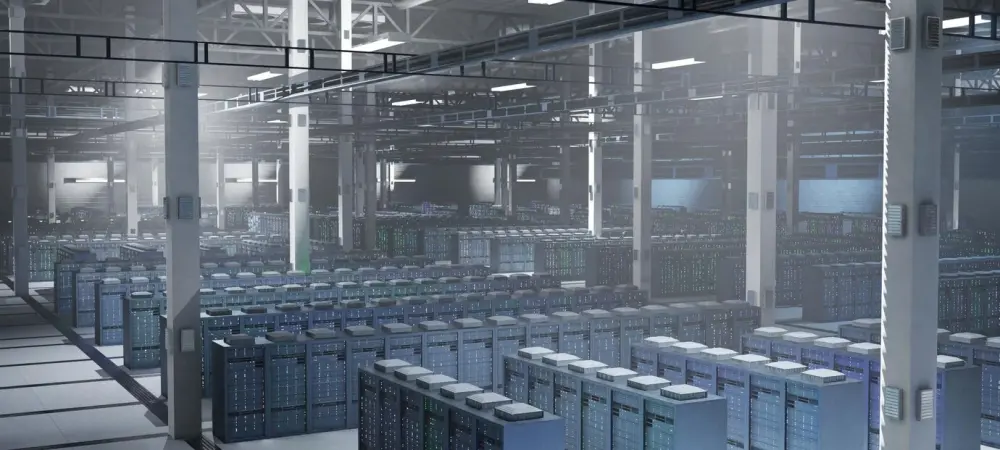
As data centers evolve, the quest for energy efficiency becomes increasingly paramount, not just for cost reduction but also for accommodating skyrocketing AI workloads. Anticipating the doubling of electricity demands by 2035, data centers are at a critical juncture where advanced motor technology could redefine their operational efficiency. At the heart of many cooling systems, motors hold untapped potential to optimize energy distribution, shifting power from HVAC systems to intensifying AI applications.
Advanced Motor Technologies
Recent advancements in motor technology offer compelling solutions to longstanding inefficiencies in data center cooling systems. Modern motors are engineered to maintain consistent efficiency across diverse operating conditions, drastically reducing energy wastage. These motors boast flatter efficiency curves, meaning they can perform optimally at various loads and speeds, providing a stable cooling solution without unnecessarily consuming power. This is vital where traditional motors fail to adapt to fluctuating demands, often wasting significant energy resources.
Beyond energy savings, these state-of-the-art motors enhance operational capabilities. By functioning effectively with varied performance metrics, they support data centers in maintaining smooth operations even during peak times. Furthermore, such technologies lay the groundwork for innovative energy management, ensuring that available power can be redirected to more critical operations like AI workloads, thus enhancing the overall capacity and potential of the facility.
Rightsizing for Optimal Efficiency
Integral to enhancing motor efficiency is the practice of rightsizing, which aligns motor capacities closely with operational requirements. This approach involves selecting motors that perfectly match the application’s demands, eliminating excess power reserves traditionally set aside for cooling. Rightsized motors improve PUE by reducing unnecessary energy allocation, easing strain on related infrastructure components like wiring and transformers during setup.
Moreover, this strategic alignment facilitates freeing considerable power reserves for IT server allocation. The insightful example of a Salt Lake City data center, which achieved a substantial power reallocation for AI expansion, exemplifies the practical advantages of rightsizing in real-world scenarios.
Innovative Shifts in Motor Technologies
New trends and innovations continually redefine motor technologies, with the latest developments poised to strengthen their role in data centers. These innovations emphasize improved design, superior materials, and refined manufacturing processes, focusing on enhanced energy efficiency and performance reliability. These forward-thinking approaches address inefficiencies inherent in conventional motor systems, providing a roadmap for future technological adoption across data centers.
The convergence of these innovations with contemporary energy demands highlights a shift toward more integrated energy solutions, aligning motor technology improvements with the broader goals of reducing carbon footprints and enhancing operational sustainability. Such developments underscore a growing recognition within the sector of the immense potential that advanced motor technology represents.
Practical Applications Across Industries
Industries deploying motor technologies in data centers span diverse sectors, including financial services, telecommunications, and cloud computing. Each sector presents unique demands, yet all benefit from the strategic application of motor technologies to streamline energy usage. Notable implementations feature how integrated motor solutions can be seamlessly incorporated into existing infrastructures, delivering efficiency gains without compromising operational integrity.
For instance, data centers in telecommunications leverage motor efficiency to manage cooling costs effectively, enabling more resources to be directed toward expanding their network capacities. These case studies serve as a testament to the transformative impact of motor technologies on energy management and operational performance, providing a benchmark for other sectors to follow.
Barriers to Motor Efficiency Adoption
Despite the clear advantages, adopting efficient motor technologies faces several challenges. Technical hurdles include retrofitting challenges and compatibility issues with existing systems. Regulatory landscapes present additional complexity, as compliance with evolving energy standards can prove burdensome. Market dynamics, often resistant to change, further complicate broad-scale adoption.
Ongoing efforts to mitigate these challenges focus on encouraging innovation, promoting standardized regulations, and fostering market openness to technological advancements. Collaboration among industry stakeholders remains crucial in creating an ecosystem conducive to the seamless integration of efficient motor technologies.
Future Prospects for Motor Efficiency
Looking ahead, motor efficiency in data centers promises significant enhancements in energy resource management. As technology progresses, emerging breakthroughs and applications will likely magnify the impact of advanced motor systems on operational paradigms. Anticipated benefits include a more balanced energy allocation across data centers, reductions in operational costs, and expanded capacity for revenue-generating workloads like AI. This emphasis on future development underscores the critical role that efficient motor technologies will play, suggesting that those who embrace these innovations will gain a competitive edge in the digital economy. Such momentum could drive broader systemic change across related industries, fundamentally reshaping energy utilization strategies.
Concluding Thoughts
In conclusion, the exploration into motor efficiency in data centers lays bare the profound potential of embracing advanced motor technologies. This review highlights strategic energy management’s critical role in optimizing data center operations and providing a competitive edge for high-demand applications like AI. By overcoming current adoption challenges, and with continued innovation, advancements in motor efficiency may indeed pave the way for a more sustainable and economically viable future within the data center landscape and beyond.