

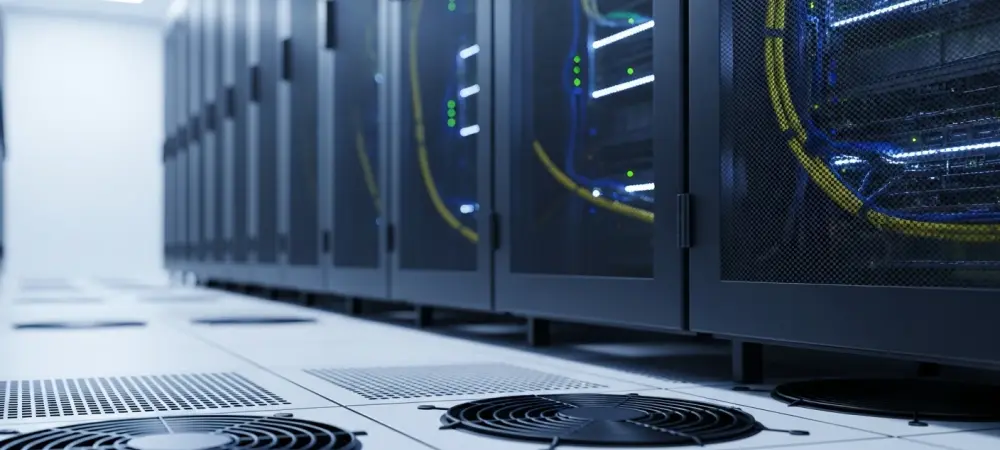
The rapid expansion of digital infrastructure across the arid landscapes of the American West has ignited a fierce debate regarding the balance between technological progress and the preservation of finite water resources. As these facilities become more prevalent, the public often views them with a mixture of necessity and skepticism, particularly when it comes to their impact on local aquifers. The objective of this article is to address the common questions surrounding industrial water usage, explore the technological advancements making these sites more sustainable, and clarify the role of data centers within the broader context of regional resource management. Readers can expect to learn how modern engineering has decoupled digital growth from water depletion, providing a clearer understanding of why these facilities are becoming models for efficiency in a changing climate.
Introduction: Navigating the Intersection of Technology and Natural Resources
The physical housing of the internet is no longer just a collection of servers but a complex piece of civil infrastructure that requires careful integration into the surrounding environment. In regions where every drop of water is accounted for, the introduction of any new large-scale industrial project naturally invites scrutiny. However, the conversation often relies on outdated information that does not reflect the current state of the industry. This exploration seeks to bridge the gap between perception and reality, demonstrating how modern data centers serve as vital economic engines that operate with a surprisingly small environmental footprint. By examining the evolution of cooling technologies and the strategic land-use shifts occurring in states like Arizona, it becomes clear that the digital economy is not an adversary of conservation. Instead, the transition toward high-tech development represents a pivot toward more sophisticated and less wasteful ways of utilizing natural resources. This article provides a comprehensive look at the facts behind the friction, offering a narrative that moves beyond simple headlines to reveal the intricate planning and stewardship that define the modern data center landscape.
Key Questions or Key Topics Section
What Is the Current Reality of Water Use in Modern Data Facilities?
Public concern regarding data center water consumption often stems from a lack of visibility into the actual mechanical processes taking place inside these massive structures. In the past, it was common for large-scale facilities to use significant amounts of water for cooling purposes, leading to a lingering reputation for wastefulness. This historical context continues to color public perception even as the industry moves in a radically different direction. Modern facilities are no longer the resource-intensive behemoths of twenty years ago; they are highly specialized environments where efficiency is the primary metric of success. The reality today is that a modern data center often consumes less water per square foot than a typical commercial office building or many traditional industrial sites. Because the industry operates at the cutting edge of technology, it has been among the first to adopt radical efficiency measures to ensure long-term viability. When examining the total water demand of a digital campus, the majority of the usage is often restricted to domestic needs like plumbing for employees, while the actual IT cooling processes have been optimized to near-zero routine water intake. This shift ensures that the growth of digital services does not come at the expense of the municipal water supply.
How Have Cooling Technologies Evolved to Protect Local Ecosystems?
The evolution of cooling technology is perhaps the most significant factor in reducing the environmental impact of data centers. Historically, evaporative cooling was favored because it was an energy-efficient way to dissipate the heat generated by thousands of servers. By evaporating water to cool the air, these systems could maintain the necessary internal temperatures, but they required a constant and voluminous supply of fresh water from the local grid. In water-stressed environments, this trade-off between energy efficiency and water consumption became increasingly difficult to justify. In contrast, contemporary developments have pioneered the use of closed-loop cooling systems, which represent a fundamental shift in resource management. These systems are filled with water once during the initial commissioning phase, and that same water is then continuously recycled and reused within a sealed environment. By avoiding evaporation, the facility eliminates the need for constant replenishment, effectively decoupling its operational performance from the local water supply. This innovation allows data centers to operate in arid climates without placing undue stress on the ecosystem, proving that high-performance computing and water conservation can coexist.
Why Does the Shift from Agriculture to Tech Benefit Regional Water Supplies?
Many regions in the American West are currently undergoing a transition from an agricultural economy to one driven by technology and industry. While the sight of new construction can be jarring, the underlying water math often favors this change. Agricultural land use is historically one of the most water-intensive activities in the region, with crops like alfalfa and cotton requiring massive amounts of irrigation to survive the desert heat. When these farms are repurposed for industrial use, the total demand on the local aquifer frequently decreases, sometimes quite significantly.
Research in regions like Central Arizona has shown that total non-tribal water use has actually declined over the last few decades, even as the population and industrial base have grown. This paradox is explained by the fact that a single data center campus uses a fraction of the water required by the hundreds of acres of farmland it might replace. By shifting land use from “thirsty” crops to “dry” technology, municipalities can support high-salary jobs and economic growth while simultaneously reducing the net strain on their water resources. This strategic transition is a key component of long-term water security for growing desert communities.
How Do Data Centers Compare to Other Local Industries Like Brewing?
To put data center water usage into a relatable context, it is helpful to look at other sectors that are often viewed more favorably by the public. Industries such as beverage bottling and craft brewing are staples of the local economy and are generally welcomed by residents. However, these facilities are inherently water-intensive, as water is the primary ingredient in their products. In many cases, a single large bottling plant can consume more water annually than a neighboring data center, yet it rarely faces the same level of environmental scrutiny.
Similarly, leisure activities that are synonymous with the Western lifestyle, such as golfing, require staggering amounts of water to maintain green landscapes in the desert. The water used to irrigate golf courses in certain states often rivals the amount of water used by the entire local technology sector combined. While these leisure and beverage industries provide cultural and economic value, they do not provide the essential infrastructure that data centers do. This comparison highlights a societal double standard where the “novelty” of data centers attracts criticism, while more established, water-heavy industries are taken for granted.
What Role Do These Facilities Play as Critical Infrastructure?
Data centers are the silent engines of modern life, providing the backbone for everything from banking and emergency services to remote education and healthcare. They are as essential to the functioning of a 21st-century city as highways, power plants, and water treatment facilities. Without the high-speed processing and storage capabilities provided by these sites, the digital tools that people rely on every day would cease to function. This makes them a form of critical infrastructure that supports the well-being and safety of the general population.
Beyond their technical utility, these facilities provide substantial economic benefits that directly support community resilience. They are high-value developments that generate significant tax revenue and capital investment, which local governments can then use to fund essential services and infrastructure projects. The jobs created by the data center industry are often high-paying and stable, contributing to a robust local economy. By hosting the services that allow other businesses to thrive, data centers act as force multipliers for economic development, all while maintaining a relatively low profile in terms of resource consumption.
How Do Corporate Stewardship and Holistic Planning Ensure Long-Term Sustainability?
Responsible development in the data center industry involves more than just selecting efficient cooling systems; it requires a holistic approach to environmental stewardship. This begins with strategic site selection, where developers carefully evaluate the local water and energy grids to ensure they can operate without causing disruptions. Leading firms in the industry work closely with local utilities and government agencies to ensure that their presence is a net positive for the community. This collaborative approach helps align corporate goals with regional conservation efforts.
Furthermore, many facilities incorporate sustainable practices like xeriscaping, which uses drought-resistant plants to eliminate the need for outdoor irrigation. Developers also frequently partner with energy providers to support the creation of new renewable energy sources, such as wind and solar farms. Since renewable energy production generally requires far less water than traditional fossil fuel power generation, these partnerships help reduce the “virtual” water footprint of the data center. Through these combined efforts, the industry is setting new standards for how large-scale industrial projects can be integrated into sensitive environments with minimal impact.
Summary or Recap
The investigation into the relationship between data centers and water efficiency revealed a landscape defined by rapid innovation and strategic adaptation. It was clear that the industry has moved far beyond the water-intensive practices of the past, with modern closed-loop cooling systems virtually eliminating routine water consumption for server maintenance. Furthermore, the transition of land use from heavy agriculture to high-tech development emerged as a surprising but effective way for regions to reduce their overall water demand. Comparative data showed that data centers often have a smaller water footprint than other common industries, such as beverage production or golf course maintenance, yet they provide the critical digital infrastructure necessary for modern society.
The implications for the future are significant, suggesting that technological growth does not have to be an obstacle to environmental preservation. As long as developers continue to prioritize stewardship and transparency, these facilities will remain vital components of the economic and social fabric of the American West. The main takeaways emphasize that data-driven insights and advanced engineering are the keys to balancing the needs of a digital world with the realities of a water-constrained environment. For those looking to explore this topic further, specialized research centers and policy groups offer in-depth reports on industrial water trends and the evolving standards of sustainable building.
Conclusion or Final Thoughts
The analysis of water efficiency in the data center industry demonstrated that the tension between progress and conservation was often resolved through the application of better technology. In the past, observers worried that the digital revolution would drain the very resources needed for human survival, but the reality proved to be the opposite. Developers and engineers found ways to build more powerful systems while using fewer natural inputs, proving that industrial growth could be decoupled from environmental degradation. These efforts shifted the focus from merely surviving in arid regions to thriving through intelligent design and responsible management. Ultimately, the successful integration of these facilities into the West showed that innovation was the most reliable path toward sustainability. As the demand for data continues to rise, the lessons learned from these high-efficiency sites will likely serve as a blueprint for other sectors of the economy. Individuals and communities are now in a position to view these facilities not as burdens, but as examples of what is possible when engineering is aligned with environmental stewardship. The path forward involves a continued commitment to these principles, ensuring that the infrastructure of the future remains as resilient as the communities it serves.