

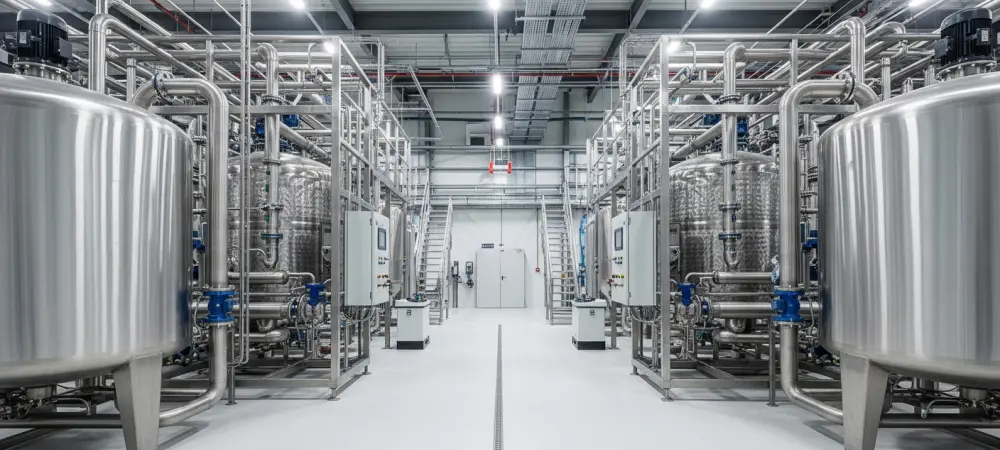
The global expansion of cloud computing and the rapid integration of artificial intelligence into daily operations necessitated a fundamental shift in how large-scale data centers manage their environmental footprint, specifically regarding the consumption of local water resources. The organization achieved a significant milestone by lowering the volume of water used per kilowatt-hour of power by one-quarter through a combination of aggressive engineering interventions and localized environmental strategies. This reduction is particularly noteworthy given the immense thermal demands placed on cooling systems by modern high-density server racks. As the demand for generative AI continues to surge, the reliance on traditional evaporative cooling methods has become increasingly unsustainable, forcing tech giants to rethink the thermodynamics of the cloud. This progress demonstrates that efficiency gains can outpace infrastructure growth if sustainability is integrated into the core design of the hardware and operational philosophy.
Technical Innovations: Advanced Cooling and Liquid Architectures
To achieve such a substantial decrease in water intensity, the engineering teams transitioned from standard evaporative cooling systems toward more sophisticated adiabatic cooling methods and closed-loop liquid cooling architectures. Adiabatic cooling utilizes outside air for heat exchange whenever environmental conditions allow, only resorting to water evaporation when temperatures exceed specific thresholds. This approach significantly minimizes the periods during which the facility must consume water to maintain safe operating temperatures for sensitive silicon. Furthermore, the deployment of immersion cooling and cold-plate technologies represents a shift toward more efficient thermal management. By circulating specialized fluids directly across the heat-generating components of the server, the heat can be extracted much more efficiently than through air-based systems. These technologies reduce the overall energy required for cooling while simultaneously lowering the volume of water lost.
Beyond the internal hardware changes, the design of the data center envelope itself has been reimagined to support water conservation through advanced rainwater harvesting and on-site treatment facilities. Many modern sites now feature expansive catchment systems that collect precipitation to supplement the cooling supply, thereby reducing the reliance on municipal potable water sources. Once the water enters the system, it is treated and cycled multiple times through the cooling towers using high-efficiency filtration and chemical management protocols that extend the lifecycle of every gallon. This cyclical approach ensures that less blowdown water is discharged into sewer systems, as the water remains viable for cooling for much longer periods. By treating and reusing wastewater for non-potable purposes, such as irrigation for surrounding campus greenery, the facility operates as a circular ecosystem. This systemic change reflects a commitment to optimizing every drop within the loop.
Environmental Stewardship: Local Impact and Future Outlook
The strategy for reducing water intensity is not a one-size-fits-all solution but rather a localized effort that considers the specific hydrological conditions of each data center region. In areas experiencing chronic drought, the focus shifts toward air-cooled designs that eliminate the need for water-based thermal management entirely, even if these systems require more electricity to operate. This trade-off is often deemed necessary to preserve the balance of local ecosystems and to ensure that the presence of a massive data center does not negatively impact the water supply for agriculture or residential use. By utilizing sophisticated data modeling and predictive analytics, the operational teams can adjust cooling strategies in real-time based on local weather patterns and humidity levels. This precision allows for the maximization of dry cooling periods, which is essential for meeting sustainability targets. Moreover, the corporation has actively participated in river restoration projects.
Collaboration with local utilities and government agencies has also played a pivotal role in refining how data centers interact with public water infrastructure. By investing in shared water infrastructure, such as reclaimed water pipelines that deliver treated industrial wastewater to the cooling towers, the company has effectively decoupled its growth from the consumption of fresh drinking water. These partnerships often involve funding upgrades to municipal treatment plants, which benefits the entire community by improving overall water quality and management capabilities. The shift toward transparency in water reporting has set a new industry standard, encouraging other hyperscale cloud providers to disclose their water usage metrics with the same rigor as carbon emissions. This cultural shift within the technology sector highlights an understanding that environmental stewardship is a prerequisite for long-term operational viability. These strategic community investments ensure that the digital economy can thrive.
The realization of a twenty-five percent reduction in water intensity represented a significant milestone in the broader journey toward a water-positive future. This achievement resulted from a fundamental reengineering of the relationship between digital processing and environmental health, proving that technological advancement did not have to come at the expense of natural resources. Industry leaders recognized that the next steps required even deeper integration of circular systems. These targets, extending from 2026 to 2030, focused on achieving complete water positivity in all operational regions. The implementation of these strategies suggested that future data centers should be designed to be self-sufficient, perhaps even contributing surplus water back to communities through advanced generation techniques. Stakeholders emphasized maintaining this momentum by standardizing water-saving metrics across the supply chain. Ultimately, the lessons learned provided a clear path for balancing computing with conservation.