

In a digital landscape where user feedback can make or break software innovation, Microsoft has reached a remarkable milestone with its Windows Insider Program, now celebrating over a decade of collaboration with a community that has shaped the evolution of Windows. This anniversary marks not just a moment of reflection but a vibrant tribute to millions of Insiders who have been instrumental in refining one of the world’s most widely used operating systems through relentless testing and input.
Honoring a Legacy of User-Driven Innovation
The recent commemoration of the Windows Insider Program’s 11-year journey brought together a global community of testers, developers, and enthusiasts in a shared moment of pride. Microsoft highlighted the program’s inception as a groundbreaking initiative to integrate user feedback directly into the development cycle. The event focused on the dual role of Insiders as both early adopters of cutting-edge features and critical voices in identifying areas for improvement, ensuring Windows remains responsive to real-world needs.
A standout element of this celebration was the acknowledgment of how far the program has come since its launch. From a modest testing platform, it has grown into a robust ecosystem that influences every major update to the operating system. Microsoft emphasized the importance of this milestone as a testament to the enduring partnership with its community, a bond that continues to drive technological advancements year after year.
Key Moments from the Anniversary Event
Reflecting on a Decade of Impactful Feedback
During the anniversary event, a key focus was placed on the transformative power of Insider feedback. Representatives from Microsoft shared insights into how user input, gathered through preview builds and dedicated tools like the Feedback Hub, has directly shaped features and functionalities. This iterative process ensures that Windows evolves in alignment with user expectations, addressing pain points and introducing innovations that resonate with a diverse audience.
The celebration also spotlighted specific examples of feedback-driven changes, illustrating the tangible impact of the community’s contributions. From refining user interfaces to enhancing system stability, Insiders have played a pivotal role in maintaining Windows as a leader in the software market. This reflection served as a reminder of the program’s core mission: to build an operating system that truly serves its users.
Community as the Heart of Collaboration
Another prominent theme of the event was the spirit of collaboration between Microsoft and its Insider community. Speeches and presentations underscored the shared commitment to improving Windows, portraying Insiders not just as testers but as co-creators of the platform’s future. This partnership has fostered a unique environment where ideas are exchanged freely, and mutual goals are pursued with enthusiasm.
The event highlighted how this collaborative ethos extends beyond mere software testing. It creates a sense of belonging among participants, uniting individuals from varied backgrounds under a common purpose. Microsoft’s recognition of this dynamic reinforced the idea that the program’s success hinges on the strength of its community ties, a foundation that remains solid after 11 years.
Diverse Engagement Through Testing Channels
A significant portion of the celebration was dedicated to exploring the structure of the Windows Insider Program, particularly its range of testing channels. These channels, catering to different risk tolerances—from stable updates to experimental builds—allow a broad spectrum of users to participate. Microsoft showcased how this tiered approach accommodates everyone, from cautious adopters to daring tech pioneers eager for the latest features.
This diversity in engagement was presented as a key strength, enabling comprehensive feedback that captures varied user experiences. Event discussions revealed how such inclusivity enriches the development process, ensuring that Windows caters to a global audience with distinct needs. The structure not only broadens participation but also deepens the quality of insights gathered, a point that resonated strongly during the anniversary.
A Token of Gratitude: Custom Wallpapers Unveiled
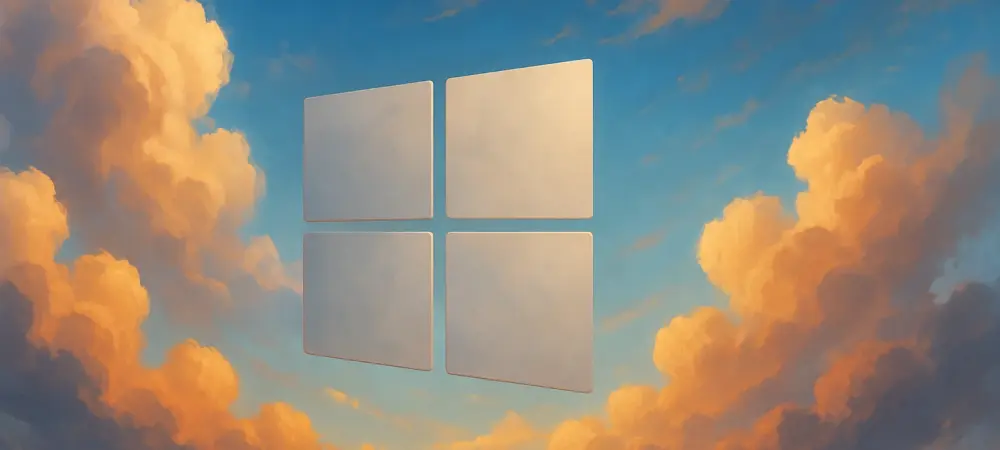
Perhaps the most visually striking highlight of the event was the unveiling of new custom wallpapers, crafted in collaboration with the Windows Design team. Available for both desktop and mobile devices, these designs serve as a creative expression of Microsoft’s appreciation for its Insider community. The wallpapers symbolize more than just aesthetics; they represent a heartfelt thank-you for years of dedication and support.
The release of these exclusive visuals captivated attendees, blending the anniversary’s reflective tone with a forward-looking gesture. Microsoft positioned this offering as a way to celebrate shared achievements while reinforcing the bond with Insiders. The wallpapers quickly became a talking point, embodying the event’s theme of recognition and gratitude in a tangible form.
Envisioning the Next Chapter of Insider Partnership
Looking toward the future, the anniversary event painted an optimistic picture of the Windows Insider Program’s trajectory. Microsoft reiterated its commitment to user-centric innovation, emphasizing plans to deepen collaboration with the community over the coming years. Discussions hinted at potential expansions in testing opportunities and enhanced tools for feedback, ensuring the program remains a vital part of Windows development.
As the celebration concluded, it left a lasting impression of unity and purpose among participants. The event successfully honored past contributions while setting an actionable agenda for sustained partnership. Microsoft encouraged Insiders to stay engaged, teasing upcoming initiatives that promise to further integrate community input into shaping technology. This milestone not only celebrated a legacy but also ignited inspiration for the collaborative journey ahead, proving that user voices will continue to steer Windows toward new horizons.