

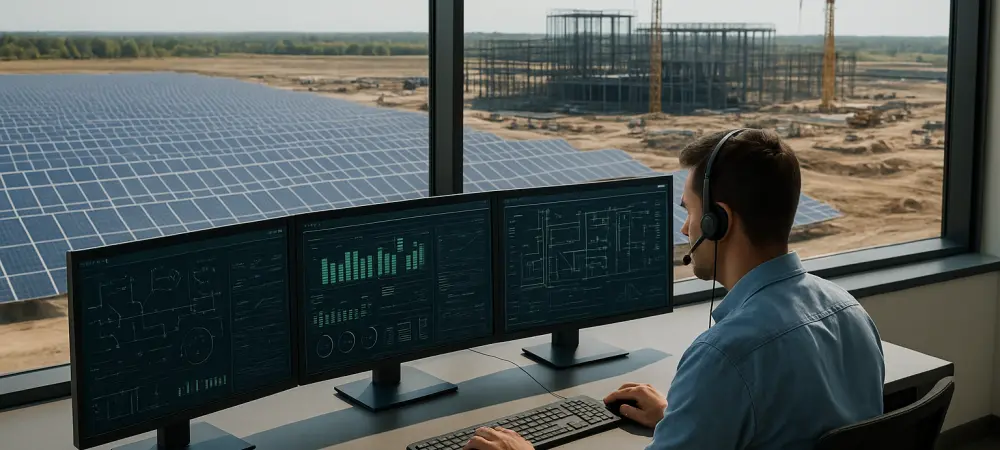
Across the vast, sun-drenched horizons of the Arabian Peninsula, a transformation is taking place that has far less to do with the traditional extraction of fossil fuels and far more to do with the rapid deployment of massive silicon-based intelligence. This monumental shift is evidenced by Microsoft’s recent commitment to inject $10 billion into the digital infrastructure of the Gulf, a move that effectively redefines the region’s role in the global economy. By moving beyond a simple vendor-client relationship, the technology giant is physically and logically rewiring the Middle East to serve as a high-performance engine for the generative artificial intelligence revolution.
This capital injection is not merely a regional expansion but a foundational repositioning of how global data is processed and stored. As the world increasingly relies on localized intelligence and sovereign data processing, the Gulf has emerged as a crucial bridge between Eastern and Western digital markets. Microsoft’s strategy involves an intricate combination of high-density data centers, expansive subsea cabling, and deep-seated partnerships with national governments to ensure that the infrastructure beneath the desert sands is as resilient as it is advanced.
Beyond the Oil Derrick: The Middle East’s New Digital Horizon
For decades, the global perception of the Gulf was inextricably linked to the hum of the oil derrick, but a silent $10 billion pivot is currently underway to replace crude exports with high-speed data streams. This investment signifies that Microsoft is no longer viewing the region as just a consumer market for productivity software. Instead, it is transforming the area into a primary site for the production of artificial intelligence and cloud computing power. By establishing these physical roots, the company is helping to diversify an economy that was once entirely dependent on finite geological resources.
The shift toward a data-driven future is visible in the rapid construction of massive server farms that draw upon the region’s growing renewable energy initiatives. These facilities are designed to handle the colossal computational loads required by modern neural networks, effectively turning the desert into a massive processing hub. This transition is essential for the region to remain competitive in a landscape where data has become the most valuable commodity on the planet, serving as the essential fuel for every sector from finance to advanced logistics.
Moreover, this digital horizon is defined by the strategic installation of advanced fiber optic networks and high-performance computing clusters that connect the Gulf to the rest of the world with unprecedented speed. This isn’t just about faster internet for local users; it is about creating a global node where artificial intelligence can be developed and exported. By integrating these systems into the regional landscape, Microsoft is ensuring that the Gulf becomes an indispensable part of the global technology supply chain for decades to come.
Why the Gulf Has Become the Global Epicenter for Hyperscale Tech
The reason for this sudden concentration of hyperscale technology lies in the aggressive pursuit of national diversification goals, such as Saudi Arabia’s Vision 2030 and similar initiatives in the United Arab Emirates. These nations have displayed an immense appetite for cutting-edge technology, combined with a level of capital availability that is rarely matched in other parts of the world. For Microsoft, the region offers the perfect environment to build at scale, providing the land, power, and political will necessary to support the massive electricity demands of modern artificial intelligence infrastructure.
In addition to capital, the geographic position of the Gulf makes it a unique global intersection point for digital traffic moving between Europe, Africa, and Asia. By establishing a permanent digital footprint here, hyperscale providers can significantly reduce latency for billions of users while simultaneously addressing the urgent need for local data residency. This allows governments and corporations to keep their most sensitive information within national borders, a requirement that has become increasingly critical as global data privacy regulations continue to tighten.
Furthermore, the region is outstripping traditional tech hubs in terms of digital adoption rates and the speed of regulatory evolution. While older markets often struggle with legacy systems and bureaucratic hurdles, the Gulf is building its digital ecosystem from the ground up using the latest standards in cloud-native architecture. This “greenfield” advantage allows for the rapid deployment of sophisticated AI frameworks that would take years to implement in more mature economies, making the region a magnet for developers and tech innovators.
Deconstructing the $10 Billion Blueprint: Infrastructure, AI, and Connectivity
A fundamental component of this $10 billion blueprint is the deep collaboration with regional leaders like the UAE-based firm G42. This partnership has facilitated a massive 200MW increase in data center capacity through the Khazna network, specifically engineered to provide the “horsepower” needed for generative AI. These facilities are not standard storage units; they are specialized environments designed for the high-density cooling and power distribution required by the latest generation of GPU-accelerated servers. This ensures that domestic developers can build and train Large Language Models locally, rather than relying on hardware located on other continents. The launch of the Saudi Arabia East cloud region, which is reaching full operational status this year, serves as another critical pillar of the expansion. This region utilizes a “three-zone” architecture known as Availability Zones, providing redundant infrastructure to ensure that mission-critical government and financial services remain online even during localized failures. By adhering to the Kingdom’s Cloud First Policy, Microsoft has created a sovereign data framework that satisfies strict cybersecurity laws, ensuring that the physical location of the data matches the jurisdictional requirements of the state.
To support this massive inland infrastructure, Microsoft is also allocating $400 million toward reinforcing the ocean floor through subsea network projects. By investing in the SeaMeWe-6 cable system, the company is diversifying the routes through which data enters and exits the region. This strategy creates a “Digital Shield” against physical disruptions, such as accidental cable cuts or regional instability, ensuring that the Gulf’s AI economy remains connected to the global web. These subsea links are the invisible nerves of the digital age, providing the bandwidth necessary to support the explosive growth in cloud traffic expected through 2030.
Expert Perspectives on Decoupling Tech from Geopolitical Volatility
Industry leadership, including Microsoft Vice Chair Brad Smith, has emphasized that long-term financial commitments in the region are increasingly resilient to short-term geopolitical fluctuations. The consensus among analysts is that the $10 billion investment serves as a “market validation” of the Gulf’s long-term stability and strategic importance. Despite the complexities of the regional landscape, the physical and intellectual production of technology is being decoupled from traditional volatility, as the demand for digital sovereignty and AI capacity becomes a non-negotiable priority for every sovereign state. Analysts observe that Microsoft is part of a broader “gold rush” as competitors like Amazon Web Services and Oracle similarly commit tens of billions of dollars to the region. This collective influx of capital suggests that the Middle East is no longer viewed as a peripheral market or merely a consumer of foreign innovation. Instead, it is being recognized as a critical site for the physical residency of the world’s intelligence. This shift indicates a maturing market where technology providers are willing to take long-term risks in exchange for becoming foundational parts of a nation’s economic identity.
The result of this investment is a new form of digital diplomacy, where technology infrastructure becomes a stabilizing force. When a global company embeds its most advanced hardware and intellectual property in a region, it creates a mutual interest in security and operational continuity. Experts suggest that this trend will lead to the Gulf becoming one of the most densely interconnected hubs on the planet, where the presence of global tech giants provides a layer of economic insurance that traditional industries could not offer.
Strategies for Navigating the Gulf’s Emerging Digital Ecosystem
The most successful organizations in the region recognized that navigating this new ecosystem required an immediate alignment with localized cybersecurity frameworks. They adopted the strict protocols mandated by the National Cybersecurity Authority in Saudi Arabia and similar bodies in the UAE to ensure that their data handling remained compliant. By proactively integrating these sovereign cloud requirements into their core operations, these businesses avoided the regulatory pitfalls that stalled competitors. This focus on compliance functioned as a strategic advantage, allowing for the seamless migration of sensitive workloads to the new cloud regions.
Strategic leaders also prioritized the establishment of deep local partnerships to anchor their operations within the national fabric. They moved beyond simple service agreements and instead collaborated with domestic entities to foster technical training and job creation. This approach proved vital for building long-term goodwill and operational security, as it ensured that the economic benefits of the $10 billion expansion were felt across the local workforce. These partnerships allowed firms to leverage Microsoft’s infrastructure while maintaining the cultural and political nuances necessary for successful regional integration.
Finally, resilient enterprises moved away from single-center storage models and fully embraced the multi-zone disaster recovery strategies provided by the new Availability Zones. They implemented redundant architectures that guaranteed high availability for their digital services, even in the event of unforeseen infrastructure challenges. By utilizing the redundant power and cooling systems of the latest data centers, these organizations ensured that their AI-driven applications remained functional at all times. This commitment to architectural redundancy provided the necessary foundation for the region’s next phase of growth in the global digital economy.