

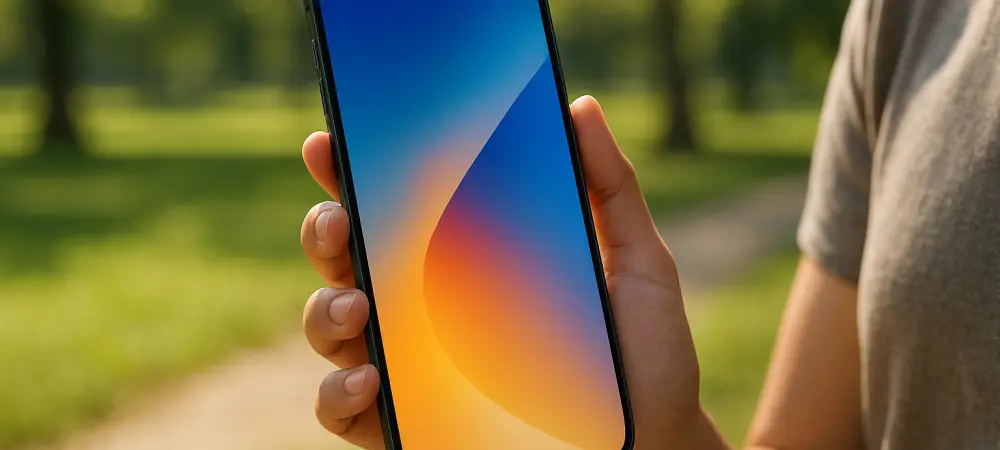
While many smartphone manufacturers prioritize flashy aesthetics over functional longevity, the new Lava Shark 2 Pro enters the competitive budget arena with a clear commitment to providing substantial battery endurance and modern 5G connectivity for users who value utility above all else. This device functions as a specialized response to the growing digital divide, offering a sophisticated 6nm architecture at a price point traditionally reserved for less efficient hardware. By focusing on essential performance metrics, it manages to deliver a seamless mobile experience without the prohibitive costs of flagship alternatives.
Evolution of the Lava Shark 2 Pro
This handset represents a strategic refinement of the Virat V1 Pro architecture, specifically optimized to meet the rising demand for accessible 5G technology. Rather than reinventing the chassis, the design team concentrated on internal modernization to support the increasing data requirements of 2026 applications. This evolution reflects a broader industry movement toward democratizing high-speed internet, ensuring that cost remains a secondary factor to connectivity.
The shift toward this model highlights an intentional move away from disposable tech cycles, emphasizing durability and sustained performance. By bridging the gap between entry-level affordability and mid-range capabilities, it has standardized features like high-refresh displays for the value segment. This progression suggests that the baseline for budget devices is no longer just “functional” but increasingly “premium-lite.”
Core Technical Specifications and Performance
High-Efficiency 6nm Unisoc T8200 Chipset
The integration of the Unisoc T8200 chipset marks a significant technical milestone because its 6nm process node dramatically reduces thermal throttling during heavy 5G data transfers. This efficiency matters because it allows the 6GB of RAM to maintain stable multitasking environments without the aggressive background app closures common in older silicon. The implementation is unique due to its balance of power conservation and networking throughput, which is often a compromise in the budget tier.
Moreover, this chipset enables localized processing that enhances the responsiveness of the integrated Vayu AI. By handling smaller tasks on-device, the system minimizes latency and reduces the need for constant cloud pings. This creates a snappier user interface that feels more intuitive than its predecessors.
6.75-Inch Fluid Motion Display
The 120Hz refresh rate on the 6.75-inch IPS panel ensures that motion blur is virtually eliminated during rapid scrolling and gaming sessions. While the 720p+ resolution is a deliberate trade-off to save power, the high refresh rate provides the visual fluidity typically associated with more expensive OLED screens. This specific combination targets users who prioritize smooth interactions over raw pixel density.
The display’s calibration focuses on high visibility under varying light conditions, which is crucial for outdoor usability. By leveraging modern driver technology, the screen adapts its refresh rate to the content, preventing unnecessary battery drain. This intelligent scaling represents a sophisticated approach to power management in the value category.
6,000mAh High-Capacity Power Cell
A massive 6,000mAh battery serves as the foundational pillar of the device, designed to facilitate multi-day usage without the anxiety of mid-day charging. This high-capacity cell is essential for supporting the power-intensive 5G modems that define modern mobile communication. In contrast to competitors, this implementation prioritizes long-term cell health through smarter charging cycles.
The sheer volume of the power cell also supports the device’s role as a reliable hotspot for other hardware. This capability transforms the phone into a portable networking hub, perfect for users in areas with inconsistent infrastructure. It effectively mitigates the high energy cost of 120Hz display modes.
Emerging Trends in Budget 5G Hardware
The Shark 2 Pro aligns with the rising trend of “bloat-free” software, a movement that prioritizes a clean Android 16 experience over intrusive third-party applications. This approach matters because it preserves system resources and enhances user privacy, which are often compromised in lower-priced handsets. The inclusion of localized AI like Vayu suggests that even affordable devices are now moving toward context-aware computing.
Furthermore, the commitment to a support cycle extending from 2026 to 2028 reflects a significant change in consumer protection standards. Manufacturers are realizing that hardware longevity is a primary selling point for cost-conscious buyers. This trend toward extended security updates is reshaping the budget market into a more sustainable ecosystem.
Real-World Applications and Use Cases
In the logistics and gig economy sectors, the device has become a preferred tool due to its extreme endurance and reliable GPS tracking. Field workers benefit from the 5G speeds for real-time inventory updates and the IP64 rating that protects against unpredictable weather. The battery ensures that a full day of navigation does not require external power banks.
Educational sectors also find high value in the 1TB expandable storage, which allows students in remote areas to download entire libraries of video content. The large screen real estate makes it a viable primary device for virtual classrooms and research. Its affordability ensures that digital literacy tools remain accessible to a wider demographic.
Challenges and Technical Hurdles
The most prominent hurdle is the 18W charging limitation, which creates a significant bottleneck for a battery of this size. Requiring nearly three hours for a full cycle conflicts with the fast-paced expectations of modern lifestyles. This trade-off is the primary price paid for the high-capacity hardware and affordable entry cost.
Additionally, the reliance on a single 50MP primary sensor limits the device’s photographic versatility in an era of multi-lens arrays. While the sensor is capable, the lack of dedicated ultra-wide or macro hardware might deter enthusiasts. Navigating these compromises requires the brand to lean heavily on value-added services like home repairs to maintain its competitive edge.
Future Outlook and Industry Impact
The success of this model indicates a future where 5G is no longer a luxury but a baseline expectation for every consumer. We can expect subsequent iterations to focus on narrowing the gap in charging speeds while maintaining the high-capacity battery standards set here. This trajectory will likely force global competitors to rethink their pricing strategies for high-endurance hardware.
Long-term, the integration of advanced AI in budget devices will lead to more personalized user experiences across all price points. As hardware becomes more uniform, software optimization and device longevity will become the primary battlegrounds for market share. This shift ultimately benefits the global user base through more reliable and intelligent mobile technology.
Final Assessment of the Lava Shark 2 Pro
The Lava Shark 2 Pro proved that entry-level 5G devices could successfully prioritize utility over luxury without sacrificing modern software standards. By launching with Android 16 and a robust battery, the manufacturer addressed the core pain points of the budget demographic. Users were finally able to access high-refresh-rate displays and long-lasting power at a price that challenged the dominance of established global players.
The decision to offer a clean software experience and home-based service set a new benchmark for consumer trust in the value segment. While the slow charging speeds remained a point of contention, the overall hardware balance provided a sustainable solution for the 2026-2028 market cycle. Ultimately, this device demonstrated that thoughtful engineering could overcome the traditional limitations of low-cost mobile technology.