

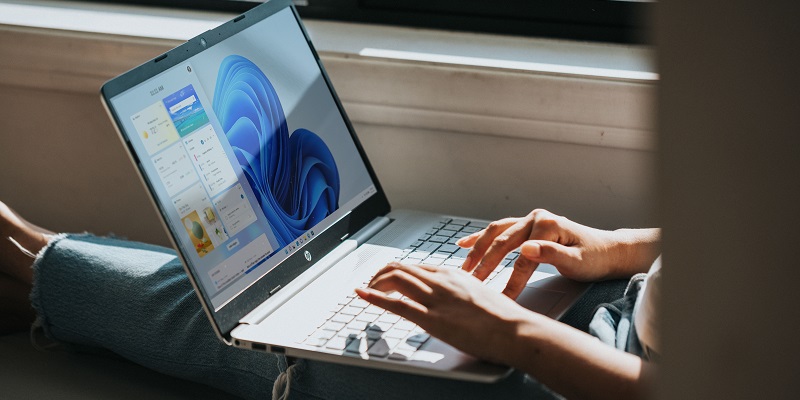
Microsoft has officially closed a long-standing loophole that allowed users of older PCs to upgrade to Windows 10 and Windows 11 for free. This signifies the end of an era for those who were still holding on to Windows 7 or Windows 8. As of now, if you own a Windows 7 or Windows 8 PC, you will need to purchase a new license to upgrade to the latest Microsoft operating system.
The end of an era
For many users, this marks the end of an era as the free upgrade option for Windows 7 and Windows 8 has come to an end. The incentive to transition to the newer operating systems without a cost is no longer available.
Purchasing a new license
With the closure of the upgrade loophole, Windows 7 and Windows 8 users must now purchase a new license to upgrade to Windows 10 or Windows 11. This means that they will need to consider the cost of the upgrade when deciding whether to switch to the latest operating system.
The expiration of the free upgrade offer
The free upgrade offer for Windows 10 and Windows 11 had originally expired on July 29, 2016. This offer provided Windows 7 and Windows 8 users with a year-long opportunity to transition to the newer operating system without any additional charges.
Windows 10 to Windows 11 upgrades still free
While the days of free upgrades for Windows 7 and Windows 8 users are over, Microsoft continues to offer free upgrades from Windows 10 to Windows 11 for eligible devices. This ensures that users who have already made the transition to Windows 10 can still enjoy the latest features and improvements of Windows 11 without any additional cost.
Extended upgrade offer
In the past, Microsoft had extended the upgrade offer for a year after Windows 10’s launch. This gave Windows 7 and Windows 8 users an extended period to take advantage of the free option and make a smooth transition to the newer operating system. However, with the closure of the loophole, this offer is no longer available.
Loophole for assistive technologies
Interestingly, there was a loophole for users of assistive technologies that allowed them to upgrade until the end of 2017. This exception was designed to accommodate individuals who required specialized tools and aids to operate their computers effectively. However, once this loophole closed, all users, including those with assistive technologies, were required to purchase a new license.
Closure of all loopholes
Over time, Microsoft gradually closed these loopholes that enabled free upgrades from older operating systems to newer versions. Now, the last remaining option to upgrade from Windows 7 or 8 to Windows 10 has also been officially closed. Microsoft is signaling that it is time for users to consider investing in a modern PC instead of clinging to outdated systems.
Stricter hardware requirements with Windows 11
One of the reasons for the closure of the free upgrade loophole is the introduction of stricter hardware requirements with Windows 11. This new operating system puts a greater demand on PC hardware, including processor, RAM, and storage specifications. As a result, older PCs may not have the necessary capabilities to handle the upgrade effectively, making it less feasible for them to take advantage of the latest Microsoft software.
Encouraging investment in modern PCs
This change reinforces Microsoft’s stance that it’s time for users to consider investing in a modern PC. By upgrading to a new computer that meets the hardware requirements of Windows 11, users can benefit from improved performance, enhanced security, and access to the latest features.
In conclusion, Microsoft has officially closed the loophole that allowed free upgrades from Windows 7 and Windows 8 to Windows 10 and Windows 11. Users of older PCs will now need to purchase a new license to upgrade to the latest Microsoft operating systems. While upgrades from Windows 10 to Windows 11 remain free, the closure of the upgrade loophole underscores the importance of investing in a modern PC that meets the stringent hardware requirements of Windows 11.