

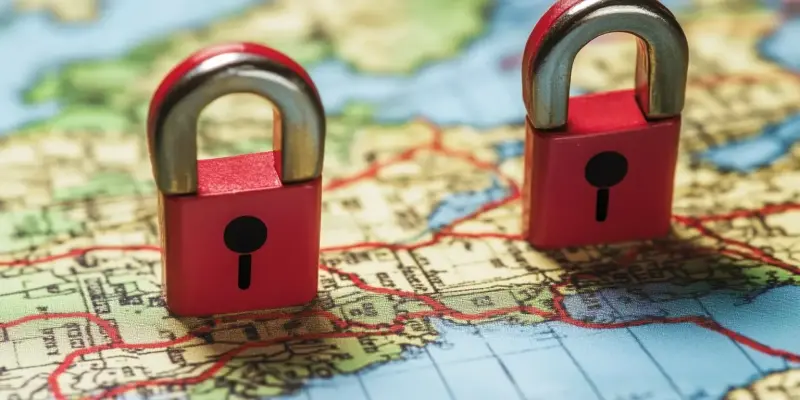
In today’s digital age, discussions about data privacy often revolve around tech giants like Google and Facebook, with many users concerned about how their personal information is utilized for targeted advertisements and product recommendations. However, less attention is given to companies that build their entire business model around collecting user data and selling it to other businesses and governments, often operating within legal gray areas and failing to secure the data they gather properly. A recent example that highlights this critical issue is the massive breach of Gravy Analytics, the parent company of Venntel, known for selling vast amounts of smartphone location data to the U.S. government.
Breach Overview
Hackers have claimed to have breached Gravy Analytics, gaining access to sensitive data that tracks precise smartphone movements, customer information, and even internal infrastructure. According to a report by 404 Media, the compromised data includes detailed latitude and longitude coordinates, timestamps, and even the country of origin for the collected data. The breach reportedly extends back as far as 2018, revealing a longstanding security lapse within Gravy Analytics. Alarmingly, the hackers are threatening to make the stolen data public, raising significant privacy concerns for millions of individuals whose location information could be exposed.
This breach demonstrates not only the vulnerabilities present in the data collection industry but also the hazards associated with the widespread sale of sensitive data. The exposed customer list reportedly includes major companies like Uber, Apple, and Equifax, as well as government contractors like Babel Street. These revelations underscore how entwined the location data industry has become with various sectors, amplifying the potential impact of such breaches.
Implications of the Breach
The breach has significant implications for individuals and the broader location data industry. Companies like Gravy Analytics and Venntel have long profited from collecting and selling location data, often without obtaining proper user consent. This practice prioritizes profit over security, endangering the privacy of countless individuals. With the compromised data potentially ending up on black markets, individuals, especially those in vulnerable situations, could become targets for harassment or worse.
The Federal Trade Commission’s recent crackdown on Gravy Analytics, announced in December, further highlights their negligence. The proposed order would restrict these companies from selling or utilizing location data except in specific circumstances like national security or law enforcement. The breach underscores the need for stricter regulations and more robust protections for user data, especially sensitive information like location data that can reveal intimate details about an individual’s daily life.
Limit App Permissions
One actionable step to protect your data is to restrict app permissions. Many apps request access to location data, contacts, and more, even when it’s not necessary for their functionality. Regularly reviewing the permissions for apps on your smartphone and revoking access to anything that feels excessive can help safeguard your personal information. For instance, a weather app doesn’t need access to your microphone or camera. By limiting app permissions, you can reduce the amount of data that is collected and potentially exposed in future breaches.
Utilize a VPN
Another effective measure to protect your online privacy is to use a Virtual Private Network (VPN). VPNs can mask your IP address and encrypt your internet activity, making it more difficult for data brokers and hackers to track your online behavior. A reliable VPN adds an extra layer of security, especially when using public Wi-Fi networks. Trusted VPN services like ExpressVPN and Surfshark prioritize your privacy and security and are available on a wide range of platforms, including Mac, Windows, iOS, Android, and popular browsers. Using a VPN can help mitigate the risks of data breaches and unauthorized tracking.
Opt-Out of Data Sharing Where Feasible
Many companies provide options for users to opt out of having their data collected or shared. Services like Your Ad Choices and privacy settings within platforms like Google can help you reduce the amount of data collected. Checking for opt-out options with any apps or services you use frequently can further protect your personal information from being harvested and sold. This proactive approach ensures that you have greater control over your data and its usage.
Avoid Free Apps That Monetize Data
Free apps often generate revenue by selling user data. To protect your privacy, consider opting for paid versions of apps that explicitly prioritize user privacy. Researching the company behind the app and understanding its data handling policies before downloading can help you make informed decisions about which apps to trust. By avoiding free apps that monetize data, you can minimize the risk of your information being sold or exposed in data breaches.
Invest in Data Removal Services
Data removal services can aid in regaining control over your personal information by identifying and removing it from people-search websites, data broker platforms, and other online databases. A service like Incogni offers a clean interface and can scan numerous websites to remove and keep your information removed. Investing in such services can provide peace of mind and ensure that your data is not easily accessible to unauthorized parties. Utilizing these services helps protect your personal information from being exploited by data brokers and malicious actors.
Conclusion
In the current digital era, conversations about data privacy frequently focus on major technology companies such as Google and Facebook. Many people worry about how these companies use their personal data for targeted ads and product suggestions. However, there’s often less emphasis on firms that base their entire business models on collecting and selling user data to other businesses and government entities. These companies often operate in legal gray areas and sometimes do a poor job of securing the data they gather. A recent incident that underscores this significant concern is the enormous data breach involving Gravy Analytics, the parent company of Venntel, which is known for selling large quantities of smartphone location data to the U.S. government.
Such companies profit substantially from personal data, yet they frequently fail to adequately protect that data, resulting in massive breaches that put users at risk. This issue raises important questions about the measures being taken to safeguard personal information and the ethics of these data brokers. As public awareness grows, there is increasing pressure on legislative bodies to address these significant gaps in data privacy and security. This event with Gravy Analytics and Venntel highlights the urgent need for stronger regulations to ensure user data is protected and used responsibly.