

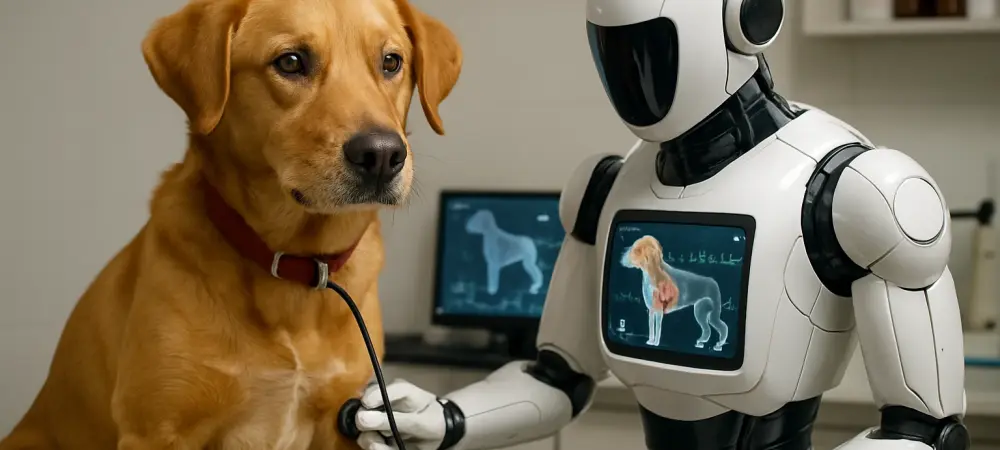
I’m thrilled to sit down with Dominic Jainy, an IT professional whose expertise in artificial intelligence, machine learning, and blockchain is reshaping industries far beyond traditional tech. With a keen interest in applying these cutting-edge technologies to unique sectors like pet care, Dominic brings a fresh perspective on how digital innovation can enhance the lives of pets and their owners. In our conversation, we explore how AI is being integrated into pet nutrition and health, the importance of scientific rigor in tech development, the process of building custom AI tools, and the exciting potential of future technologies in strengthening the bond between pets and their families.
How did your journey in technology lead you to explore innovations in pet care, and what excites you most about this field?
My background in AI and machine learning has always been about finding meaningful applications that solve real-world problems. Pet care caught my attention because it’s an industry rooted in emotion and connection—people deeply care about their pets, yet there’s so much untapped potential for technology to improve their health and well-being. What excites me most is the chance to use AI to bridge communication gaps, helping pet owners understand subtle signs of health issues or behaviors that might otherwise go unnoticed. It’s incredibly rewarding to work on something that strengthens that human-animal bond.
What role do you see AI playing in transforming traditional pet nutrition and care brands into digital health advocates?
AI is a game-changer for pet care brands because it allows them to move beyond just providing food or products and into offering personalized health insights. For instance, algorithms can analyze data from pet owners—whether it’s images, activity patterns, or dietary habits—and provide tailored recommendations or early warnings about health conditions. This transforms brands into trusted partners in a pet’s well-being, creating deeper engagement with owners who want the best for their furry companions.
How can a non-tech company maintain high standards when diving into complex areas like AI development?
It’s all about applying the same level of rigor and credibility that these companies use in their core operations. For pet care, where scientific standards are already high for food production, that means ensuring AI tools are built with transparency and accountability. This involves clear documentation of data sources, rigorous testing, and collaboration with experts like veterinarians to validate outcomes. It’s not just about innovation for the sake of innovation—it’s about building trust with consumers by ensuring the tech meets the same quality benchmarks as every other part of the business.
Can you walk us through the process of creating custom AI tools, like computer vision algorithms, for pet health applications?
Building custom AI tools starts with identifying a specific need, like detecting early signs of a health issue. We then gather proprietary data—often thousands of images or sensor inputs—that represent real-world scenarios. This data is labeled with the help of domain experts, such as vets, to ensure accuracy. From there, we train algorithms using platforms like Azure to recognize patterns, whether it’s plaque on a dog’s teeth or irregular movement patterns. The key is iteration—constantly refining the model based on feedback and new data to ensure it’s both accurate and practical for everyday use by pet owners.
Why is transparency in AI development so critical, especially in an industry like pet care where trust is paramount?
Transparency builds credibility, especially in pet care where owners are entrusting brands with their beloved companions’ health. By openly sharing how models are trained, where data comes from, and what the limitations are, companies can reassure users that the technology is reliable and not just a black box. It also sets a standard in the industry, encouraging others to prioritize ethics over quick wins. In my view, being upfront about the process fosters a stronger relationship with consumers who value honesty and accountability.
Can you share an example of an AI-driven tool in pet care that addresses a common yet overlooked issue for pet owners?
One area I’ve seen incredible impact is in oral health for dogs. Many pet owners don’t realize their dog might have dental issues until it’s advanced, often because the signs aren’t obvious. An AI tool that uses smartphone images to detect plaque or gum irritation can alert owners early, prompting them to seek veterinary care before the problem worsens. It’s a simple yet powerful way to make the invisible visible, empowering owners to act proactively with something as accessible as their phone camera.
What challenges do pet owners face when using AI tools, and how can technology be designed to make the experience more seamless?
One big challenge is usability—taking a clear photo of a dog’s teeth, for example, isn’t always easy when your pet won’t sit still. Designing technology with this in mind means creating intuitive interfaces that guide users step-by-step and account for real-world difficulties. It’s also about setting realistic expectations; these tools aren’t diagnostic devices but screening aids, so clear communication about their purpose and limitations is key. Simplifying the tech while maintaining accuracy ensures more pet owners can benefit without feeling overwhelmed.
Looking ahead, what is your forecast for the future of AI and digital technologies in deepening the connection between pets and their owners?
I’m incredibly optimistic about where this is headed. With advancements in IoT sensors and AI, we’re moving toward a world where we can better interpret a pet’s movements, expressions, and behaviors in real time. Imagine wearable devices that not only track activity but also translate subtle signals into actionable insights for owners, like stress indicators or early health alerts. This could bring us closer to understanding our pets on a level we’ve never experienced before, turning technology into a tool for empathy and connection rather than just data collection.