

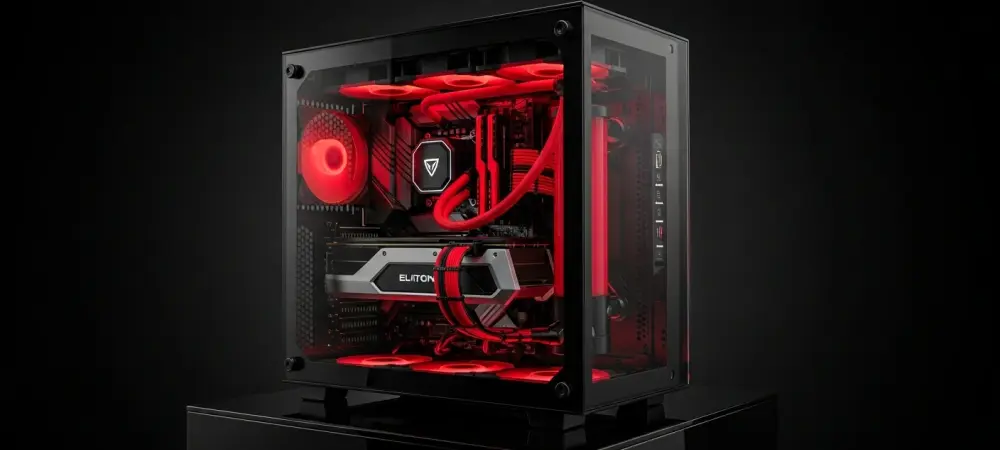
The intersection of high-end boutique hardware and AAA game development has reached a fever pitch with the debut of the MAINGEAR Crimson Desert Limited Edition desktop. This collaboration with Pearl Abyss represents more than a simple branding exercise; it is a calculated move to capture a growing segment of the luxury electronics market. By merging the technical demands of a modern open-world title with artisanal PC construction, this release sets a new precedent for how hardware manufacturers and software developers can synchronize their product cycles.
A New Benchmark for Themed High-Performance Computing
The gaming landscape is currently dominated by experiences that demand extreme fidelity, pushing the boundaries of what standard consumer hardware can reliably manage. This partnership aims to bridge the gap between the developer’s creative intent and the end-user’s physical reality. By offering a machine that is aesthetically and technically optimized for a specific title, MAINGEAR is positioning itself as a key facilitator for immersive digital storytelling.
The Evolution of the Collector-Grade Gaming Desktop
In the recent past, custom gaming PCs often prioritized flash over substance, frequently relying on superficial modifications like vinyl wraps or basic lighting presets. However, shifting consumer preferences indicate a desire for deeper integration where the hardware itself feels like a physical extension of the game world. This change reflects a broader trend toward the “luxury-fication” of the PC space, where enthusiasts treat their systems as centerpieces of a high-tech lifestyle rather than mere utility tools.
Engineering Excellence and Artistic Integration
Superior Hardware Specs: Beyond Standard Requirements
While many modern titles provide accessible entry points for mid-range users, this limited edition ignores the baseline to provide an “overkill” configuration. The inclusion of the AMD Ryzen 7 9850X3D and the Sapphire Nitro+ Radeon RX 9070 XT ensures that the complex physics and dense environments of the game are rendered without compromise. This strategy highlights a market shift where users are willing to pay a premium for hardware that eliminates the need for upgrades for several years.
Aesthetics and the MAINGEAR RUSH Chassis: A Visual Statement
The choice of the RUSH chassis allows for a panoramic display of internal components, treated here with custom artwork that mirrors the rugged aesthetics of the game. This design philosophy moves away from the generic “gamer” aesthetic of the past toward a more mature, museum-quality presentation. The integration of high-speed DDR5-6000 memory and advanced liquid cooling ensures that the system’s performance is as sleek and silent as its outward appearance suggests.
Exclusivity and the Premium Enthusiast Market: The Power of Scarcity
With a production run strictly limited to 30 units, this launch leverages the economics of scarcity to maintain a high price point of $4,499. This tactical move targets a specific echelon of collectors who prioritize owning a rare asset over mass-produced alternatives. By bundling the deluxe software with the hardware, the brand creates a comprehensive package that appeals to the “buy once, buy the best” mentality prevalent in high-end consumer circles.
The Future of High-End Gaming Collaborations
The success of such targeted releases suggests that the future of boutique PC building lies in deep, studio-level partnerships rather than broad retail expansion. As game engines become increasingly sophisticated, the role of the system integrator will likely evolve into that of a “curator” who tunes specific hardware profiles for flagship titles. This trend suggests a move toward a more fragmented but high-margin market where quality and brand synergy are the primary drivers of growth.
Strategic Considerations for High-End PC Buyers
For the modern investor or enthusiast, the Crimson Desert edition underscores the importance of synergy between the motherboard, power supply, and storage components. It serves as a reminder that long-term value is often found in systems that utilize high-grade parts like the ASRock X870E and PCIe 4.0 NVMe storage. Buyers are increasingly looking for a unified ecosystem that offers both reliability and a unique narrative, moving the industry toward a bespoke model of consumption.
Final Reflections on the Crimson Desert Edition
The launch of this limited system demonstrated that the appetite for exclusive, high-performance hardware remains robust among elite gaming circles. Manufacturers began exploring even tighter integrations with software houses to ensure that future hardware launches coincide with major content drops. Strategists recommended that brands focus on low-volume, high-impact releases to maintain brand prestige while catering to the specific needs of power users who demand the pinnacle of digital craftsmanship.