

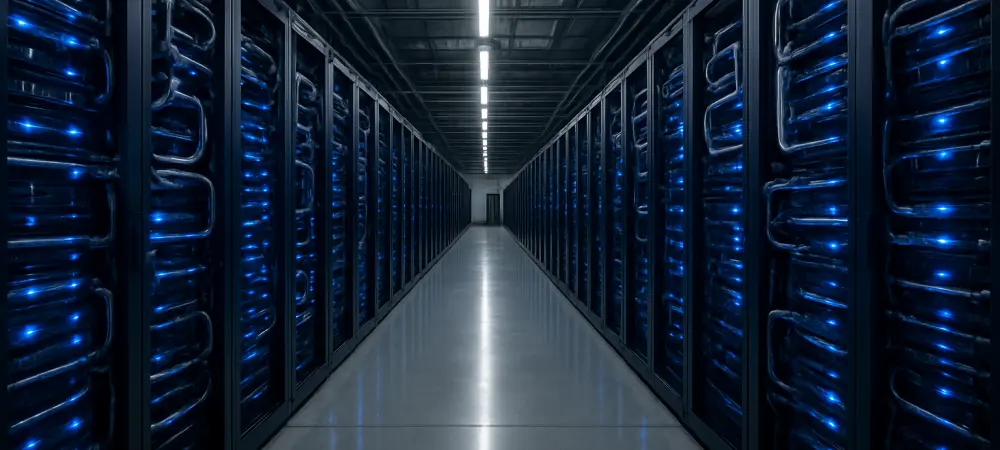
By integrating high-density infrastructure, the newly planned facility will support both traditional air-cooled hardware and modern direct-to-chip liquid cooling systems for AI applications. This strategic move by Macquarie Data Centers marks a significant milestone in Australia’s digital evolution, specifically within the burgeoning tech corridor of Sydney. As the demand for sophisticated cloud computing and generative artificial intelligence continues to surge, the development of the IC3 SuperWest facility represents a massive $240 million investment into the region’s sovereign capabilities. By focusing on a design that accommodates varying cooling needs, the provider ensures that global hyperscalers and local enterprises alike can scale their operations without the limitations of legacy power density. The expansion of the Macquarie Park campus provides the robust power required for the next generation of computational workloads in a competitive and growing global market now.
Technical Evolution: High-Density AI Infrastructure
Technical Specifications: IC3 SuperWest
The architectural design of the IC3 SuperWest facility prioritizes adaptability to meet the rigorous demands of modern graphics processing units and specialized AI accelerators. Unlike traditional data centers that struggle with the intense heat generated by high-density racks, this new campus is engineered to facilitate seamless transitions between different thermal management technologies. The infrastructure includes reinforced flooring and optimized airflow paths to handle the weight and heat of advanced server configurations. Furthermore, the integration of on-site substations ensures a consistent and reliable power supply, which is critical for maintaining the uptime required by mission-critical applications. By offering up to 32 megawatts of total IT load, the facility positions itself as a primary hub for large-scale digital transformation projects. This capacity allows for the efficient deployment of high-performance computing clusters essential for modern deep learning and analytics.
Advanced Cooling: Managing Thermal Demands
Technical versatility serves as the cornerstone of this expansion, allowing for a hybrid approach where liquid-cooled and air-cooled racks coexist within the same halls. This flexibility is vital because many organizations are currently in a transitional phase, migrating from standard server setups to power-hungry AI models. By providing the necessary plumbing and heat exchange systems for direct-to-chip cooling, Macquarie Data Centers addresses the efficiency concerns associated with high-density deployments. These systems significantly reduce the energy required for cooling, thereby improving the overall power usage effectiveness of the facility. Additionally, the design incorporates modular power distribution units that can be scaled according to the specific needs of each tenant. This level of customization ensures that both boutique technology firms and massive cloud providers can optimize their hardware investments while benefiting from the economies of scale offered by this site.
Regional Impact: Economic Growth in Sydney
Silicon Avenue: Strengthening the Local Ecosystem
Beyond the technical specifications, the development of this tech campus serves as a catalyst for economic growth in the Macquarie Park area, often referred to as Australia’s premier innovation district. The investment generates numerous high-skilled jobs in engineering, cybersecurity, and facilities management, contributing to the local economy’s resilience. Local government authorities have recognized the importance of such infrastructure in attracting international technology firms to New South Wales. By creating a concentrated ecosystem of digital expertise, the campus fosters collaboration between academia, research institutions, and private industry. This synergy is crucial for maintaining Sydney’s status as a leading financial and technological hub in the Asia-Pacific region. The presence of such a high-capacity facility encourages other service providers to improve their fiber connectivity and utility infrastructure, creating a positive ripple effect for the regional economy.
Future Resilience: Sovereignty and Training
The completion of this ambitious project solidified Sydney’s position as a critical node in the global data network, providing the essential foundation for advanced digital services. Industry leaders utilized the campus to deploy cutting-edge applications that required low-latency connectivity and massive processing power. As a result of this development, businesses achieved greater operational agility and were able to meet the increasing data sovereignty requirements of the modern era. The strategic focus on sustainability and high-density readiness proved to be a decisive factor in attracting long-term partnerships with major technology players. Moving forward, stakeholders should prioritize the integration of renewable energy sources and the continuous monitoring of thermal efficiency to maintain a competitive edge. Investing in specialized training for local technicians will also be necessary to manage the complexities of liquid-cooled environments and ensure long-term system reliability.