

Modern travelers no longer view reliable internet as a luxury but as an essential utility that dictates their choice of carrier and overall satisfaction during long-haul journeys. The Lufthansa Group has recognized this fundamental shift by launching a multi-year initiative to equip approximately 850 aircraft with SpaceX’s Starlink satellite service. This massive technological overhaul aims to provide high-speed, low-latency broadband across its vast fleet, which includes flagship carriers and subsidiaries like Swiss, Austrian, and the newly integrated ITA Airways. By moving away from legacy systems that rely on distant geostationary satellites, the company is effectively dismantling the digital barriers that have long frustrated passengers. This project represents a pivotal moment in European aviation, as it signals a transition toward an era where “office in the sky” capabilities are standard rather than premium add-ons. The scale of this deployment highlights a commitment to digital excellence that will reshape the competitive landscape of the aviation industry in the coming years.
Advancing Satellite Technology for Aviation
Transitioning: From GEO to LEO Networks
The technological core of this transformation lies in the move from Geostationary Earth Orbit (GEO) satellites to Starlink’s Low Earth Orbit (LEO) constellation. Historically, in-flight connectivity relied on satellites positioned more than 22,000 miles above the equator, creating a physical distance that inevitably resulted in significant signal lag or latency. Because Starlink satellites orbit at much lower altitudes—roughly 340 miles—the time it takes for data to travel from the aircraft to the satellite and back to Earth is dramatically reduced. This proximity allows for a response time that mirrors land-based fiber-optic connections, making the internet feel snappy and instantaneous. For the Lufthansa Group, this is not just an incremental improvement; it is a fundamental shift that enables a variety of real-time applications that were once deemed impossible in an aviation environment. Passengers will no longer struggle with unresponsive pages or timed-out logins.
Enhancing: Bandwidth and Low-Latency Performance
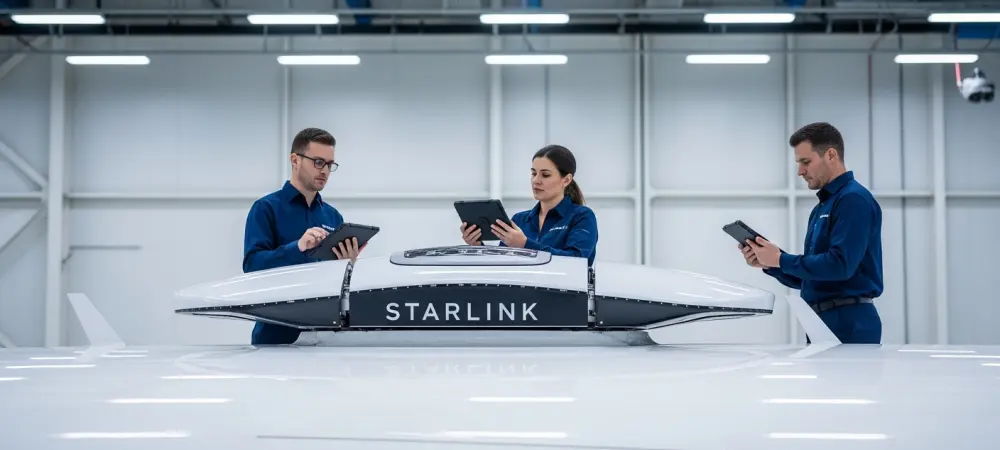
Leveraging LEO technology allows the group to offer a suite of services that goes far beyond simple text messaging or basic web browsing. Travelers can now expect to engage in high-bandwidth activities such as streaming 4K video, participating in high-definition video conferences, or accessing large cloud-based datasets without the typical buffering interruptions. This shift is particularly beneficial for corporate travelers who need to maintain productivity during long-haul flights across the Atlantic or to Asia. Furthermore, the Starlink hardware itself is designed for modern efficiency, utilizing low-profile electronically steered antennas that reduce drag compared to older, bulkier domes. These compact terminals are easier to integrate into various airframes, which streamlines the engineering process across the fleet. This technological leap essentially bridges the gap between the ground and the sky, ensuring that the digital experience remains seamless throughout the journey.
Modernizing the Onboard Business Model
Integrating: Connectivity with Customer Loyalty
A critical aspect of this initiative is the overhaul of the commercial structure surrounding in-flight Wi-Fi, shifting away from paid tiers toward a complimentary model. For years, the Lufthansa Group and its peers treated connectivity as a premium revenue stream, often charging significant fees for slow or data-capped packages. By removing these financial barriers, the group is repositioning high-speed internet as a standard service expectation rather than an optional luxury. This new approach requires passengers to log in through their Lufthansa Travel ID or Miles & More frequent flyer account to gain access. This simple step transforms the Wi-Fi portal into a powerful tool for customer engagement, allowing the airline to provide a personalized digital environment for its most loyal travelers. Integrating internet access directly into the loyalty ecosystem ensures that the value of being a member is immediately tangible every time a passenger steps on board a plane.
Redefining: Internet as a Standard Amenity
This evolution in the business model aligns the Lufthansa Group with broader trends in the global hospitality and travel sectors. Just as high-quality, free Wi-Fi became a non-negotiable standard for hotels and airport lounges, the cabin environment is now expected to provide the same level of accessibility. By offering free access, the group can gather valuable insights into passenger preferences and usage patterns, which can then be used to refine future service offerings. This data-driven approach allows for more targeted communication and a better understanding of what the modern traveler values most. Furthermore, this move helps to build a stronger emotional connection with the brand, as the frustration of paying for subpar internet is replaced by the convenience of a reliable, complimentary connection. It signals a move toward a more holistic view of the passenger journey, where digital seamlessness is considered as important as seat comfort or meal quality.
Strategic Rollout and Implementation Timeline
Managing: Fleet-Wide Hardware Installations
Executing a hardware upgrade on a fleet of 850 aircraft is a monumental logistical challenge that requires a carefully orchestrated multi-year timeline. The deployment is scheduled to begin in earnest during the third quarter of 2026, with the first Starlink-equipped Airbus A320neo slated to enter service in August. This initial launch serves as the proof of concept for a rollout that will eventually encompass the entire portfolio, including Swiss, Austrian, Brussels Airlines, Eurowings, and ITA Airways. The group has established a target to have the vast majority of its short-haul and long-haul jets modernized by 2029, representing one of the fastest and most ambitious technology retrofits in the history of European aviation. Managing such a diverse array of aircraft types—ranging from narrowbody regional jets to massive intercontinental widebodies—requires bespoke engineering solutions for each specific airframe to ensure that the new satellite antennas are safely and effectively installed.
Optimizing: Installation During Maintenance Windows
To maintain operational stability and avoid unnecessary groundings, the Lufthansa Group is integrating these hardware installations into existing maintenance schedules. This means that aircraft will receive their new Starlink terminals during C-checks or other heavy maintenance windows, ensuring that the fleet’s capacity remains stable throughout the transition. While this strategy is the most cost-effective and efficient way to handle a project of this scale, it does mean that passengers will encounter a heterogeneous fleet for several years. Some travelers may find themselves on an older jet with legacy systems, while others will enjoy the new high-speed service. To address this, the airline is focusing on clear communication via mobile apps and booking confirmations to manage passenger expectations. This phased approach allows the technical teams to refine the installation process with each subsequent aircraft, gradually increasing the pace of the rollout as they move toward the 2029 completion goal.
Competitive Dynamics and Operational Hurdles
Staying: Ahead of Global Industry Trends
The decision to adopt Starlink is a calculated response to the intensifying global competition for premium travelers, particularly those on long-haul routes. Major North American and Asian carriers have already set high benchmarks for in-flight connectivity, often providing high-speed access as a key differentiator. For the Lufthansa Group, maintaining its status as a leading global airline group requires matching or exceeding these international standards. By partnering with SpaceX, the group is betting on a technology that is widely regarded as the current gold standard for satellite internet. This move is particularly important for the business traveler segment, which represents a significant portion of the group’s revenue. These passengers often need to remain productive throughout their flights, and providing a reliable “office in the sky” environment is essential for retaining their loyalty. Failure to adapt would risk ceding market share to rivals who have already embraced the LEO satellite revolution.
Overcoming: Technical and Social Cabin Challenges
Despite the clear benefits, the implementation process faces several significant hurdles, ranging from regulatory certification to social cabin etiquette. Each aircraft model must undergo a rigorous certification process to ensure that the new antennas and internal wiring do not interfere with critical flight systems. There are also valid concerns regarding network congestion; if several hundred passengers on a widebody jet simultaneously stream high-definition content, the bandwidth must be robust enough to prevent slowdowns. Additionally, the availability of high-speed internet brings the potential for increased voice and video calls within the cabin. This creates a new challenge for crew members who must balance digital freedom with the comfort of other passengers who may prefer a quiet environment. Establishing clear guidelines for “quiet zones” or etiquette for digital communication will be a necessary component of the overall service strategy as the fleet transition continues toward its final phase.
Final Strategic Considerations
Establishing: Long-Term Digital Standards
The transition to a hyper-connected cabin environment required a comprehensive reassessment of the group’s operational protocols and technical support systems. Airline technicians and IT specialists collaborated to ensure that the backend infrastructure could handle the massive influx of data generated by 850 aircraft simultaneously connecting to the Starlink network. This collaborative effort resulted in a robust system that prioritized stability and security, ensuring that passenger data remained protected at all times. Furthermore, the airline developed new diagnostic tools to monitor antenna performance in real-time, allowing for proactive maintenance before connectivity issues could impact the passenger experience. These steps were vital for maintaining the high reliability standards that premium travelers expect from the Lufthansa brand. By addressing these technical foundations early in the process, the group ensured that the new Wi-Fi service was a dependable asset rather than a source of potential frustration.
Innovating: The Future of In-Flight Operations
Ultimately, the decision to modernize the fleet’s connectivity capabilities set a new standard for the global aviation industry. Stakeholders realized that offering high-speed, complimentary internet was no longer just a marketing advantage but a necessary component of modern air travel. They recommended that future fleet planning incorporate modular hardware designs, allowing for even faster upgrades as satellite technology continued to evolve. The group also pioneered the use of in-flight connectivity for operational efficiency, using the increased bandwidth to transmit real-time flight data and weather updates to pilots more effectively. This holistic approach ensured that the investment in Starlink delivered value to both passengers and the airline’s internal operations. By the end of the implementation phase, the Lufthansa Group had successfully closed the digital gap, proving that even at 35,000 feet, the connection to the world below could be as seamless and reliable as any connection on the ground.