

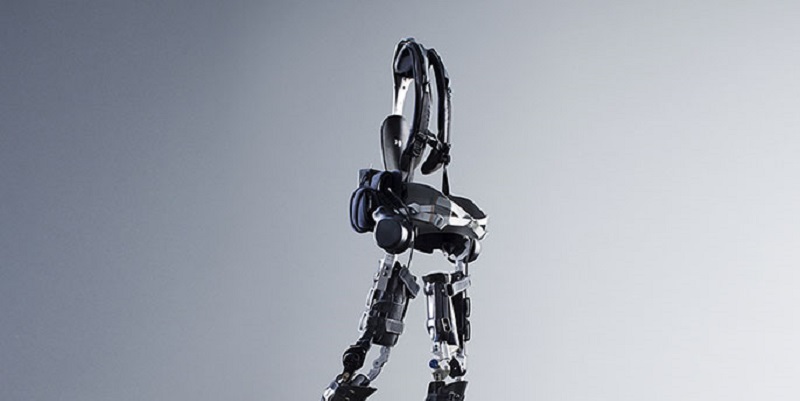
The release of an open-access paper titled “Lower extremity robotic exoskeleton devices for overground ambulation recovery in acquired brain injury – A review” marks an important milestone in understanding the efficacy of these devices in rehabilitation. With a focus on wearable robotic exoskeletons, the paper aims to comprehensively evaluate the existing literature to shed light on the potential of these devices for improving mobility in individuals with acquired brain injury. The authors, Eliana Legelen, MA, Kiran Karunakaran, Ph.D., Sai Pamula, Caitlyn Bach, Soha Saleh, Ph.D., and Karen Nolan, Ph.D., from the Center for Mobility and Rehabilitation Engineering Research at Kessler Foundation, bring together their expertise to provide valuable insights.
Background
Lower extremity robotic exoskeleton devices have gained significant attention in the field of neurorehabilitation. Designed to support individuals with acquired brain injuries in achieving overground ambulation recovery, these devices aim to enhance mobility and functional outcomes. Their role in rehabilitation cannot be understated, as they offer unique opportunities for individuals to regain independence and improve their quality of life.
Methodology
The comprehensive evaluation conducted in this review involved analyzing 57 published studies that employed wearable robotic exoskeletons for overground training. The selection of research studies was guided by rigorous inclusion criteria to ensure the inclusion of relevant and reliable evidence. By systematically examining these studies, the authors aim to provide a comprehensive overview of the advancements in this field and identify areas that require further investigation.
Current Understanding
While significant progress has been made in robotic exoskeleton design and technology, the efficacy of these devices in overground ambulation recovery remains unclear. Despite their potential, the variability in factors affecting recovery trajectory, such as timing, duration, dosing, and intensity of training, contributes to the uncertainty surrounding their effectiveness. Consequently, a comprehensive understanding of these factors is crucial to optimize the use of lower extremity robotic exoskeletons and achieve the desired outcomes in individuals with acquired brain injury.
Framework for Future Research
To overcome the gaps in current knowledge, the authors emphasize the need for a thorough approach based on diagnosis, stage of recovery, and domain. By developing a robust framework, researchers and clinicians can identify optimal strategies and interventions tailored to individual patients. Such an approach would significantly contribute to enhancing mobility outcomes and promoting long-term recovery in individuals with acquired brain injury.
Evaluation Focus
Unlike previous reviews, this comprehensive analysis examines both downstream (functional, biomechanical, physiological) and upstream (cortical) evaluations after rehabilitation using various robotic devices. By examining the broader impact of these devices on multiple domains, researchers can gain a more complete understanding of their potential benefits. Moreover, the review covers different types of acquired brain injuries, ensuring that the evaluation is comprehensive and inclusive.
Importance of Evaluation by Domain and Stage of Recovery
To gain a comprehensive understanding of their efficacy, each robotic device needs to be evaluated within different domains and stages of recovery. By considering the unique characteristics of each population and tailoring interventions accordingly, researchers can refine their understanding of the impact of these devices. Moreover, evaluating throughout all stages of recovery is essential to determine the long-term benefits and adapt interventions accordingly.
Scope for Determining Response to Treatment
By considering the necessary scope for determining treatment response, this review provides clinicians and researchers with a roadmap for future investigations. The comprehensive evaluation of lower extremity robotic exoskeleton devices guides researchers towards evidence-based practices and helps optimize treatment protocols. By advancing our understanding of how these devices impact mobility outcomes, we can provide individuals with acquired brain injuries the most effective and personalized rehabilitation interventions.
The release of the open-access paper on lower extremity robotic exoskeleton devices for overground ambulation recovery in acquired brain injury provides valuable insights into the current state of research in this field. The authors’ comprehensive evaluation emphasizes the need for a thorough approach based on diagnosis, stage of recovery, and domain to optimize the utilization of these devices. By continuing to advance our understanding and refining treatment protocols, we can empower individuals with acquired brain injury to regain mobility, independence, and improve their overall well-being.