

We’re thrilled to sit down with Dominic Jainy, a seasoned IT professional with deep expertise in artificial intelligence, machine learning, and blockchain technology. With a keen interest in how cutting-edge tech transforms industries, Dominic brings a unique perspective to the world of consumer electronics. Today, we’re diving into the recently refreshed Lenovo LOQ laptops in India, exploring their powerful specs, innovative features, and what they mean for gamers and tech enthusiasts. Let’s unpack the details behind these exciting new devices and see how they’re pushing boundaries in performance and design.
What inspired Lenovo to refresh the LOQ laptop series in India, and what are the standout upgrades in this new lineup?
The refreshed LOQ series is all about delivering next-level performance, especially for gamers and power users. Lenovo has introduced Nvidia’s GeForce RTX 50 Series GPUs, with options up to the RTX 5060, which is a massive leap forward in graphics capability. This upgrade means smoother gameplay, better rendering for creative workloads, and an overall more immersive experience compared to earlier models. It’s clear Lenovo is targeting users who crave high-end specs without breaking the bank, and these GPU enhancements are a game-changer for the Indian market.
Can you walk us through the key hardware features of the Lenovo LOQ 15IRX10 that make it a strong contender for gaming?
Absolutely. The LOQ 15IRX10 is packed with impressive hardware. It offers processor options up to the Intel Core i7-14700HX, which is a powerhouse for multitasking and heavy gaming. Users can configure it with up to 32GB of RAM and up to 1TB of SSD storage, ensuring speed and space for demanding applications. On the GPU front, you’ve got choices between the Nvidia GeForce RTX 5050 and RTX 5060 with 8GB of GDDR7 VRAM, providing top-tier graphics performance. These specs make it a fantastic option for gamers and creators who need reliable, high-octane hardware.
How does the pricing structure of the LOQ 15IRX10 cater to different types of users in India?
Lenovo has done a great job of offering a range of configurations to suit various budgets. The base model, equipped with a 13th Gen Intel Core i5-13450HX and RTX 5050 GPU, starts at just over 99,000 INR, making it accessible for entry-level gamers. Stepping up, the variant with a 13th Gen Core i7-13650HX begins at around 103,877 INR. For those seeking top-tier performance, the model with the 14th Gen Core i7-14700HX and RTX 5060 GPU starts at 123,798 INR. This tiered pricing allows users to pick a configuration that matches their needs and wallet, which is a smart move for a diverse market like India.
Where can consumers in India get their hands on these refreshed LOQ laptops, and what are the purchasing options?
Right now, the LOQ 15IRX10 is available directly through Lenovo’s India website, which is the primary hub for purchases. What’s great is that they offer custom-to-order options online, so you can tailor the specs to your liking—whether it’s bumping up the RAM or choosing a specific GPU. While the website is the main channel, it’s worth checking if Lenovo partners with other retailers down the line for wider availability. For now, heading to their official site is the best bet for securing one of these laptops.
Let’s dive into the display features of the LOQ 15IRX10. How do they enhance the user experience for gaming and beyond?
The display on the LOQ 15IRX10 is a real highlight. It’s a 15.6-inch screen with up to WQHD resolution—that’s 2560×1440 pixels—and a refresh rate of up to 165Hz, which is ideal for fast-paced games where every frame counts. The brightness tops out at 350 nits, which means decent visibility even in well-lit environments, though it might not be perfect under direct sunlight. This setup not only elevates gaming with crisp visuals and smooth motion but also benefits creative professionals working on detailed graphics or video editing.
How does the design of the LOQ 15IRX10 cater specifically to gamers’ needs?
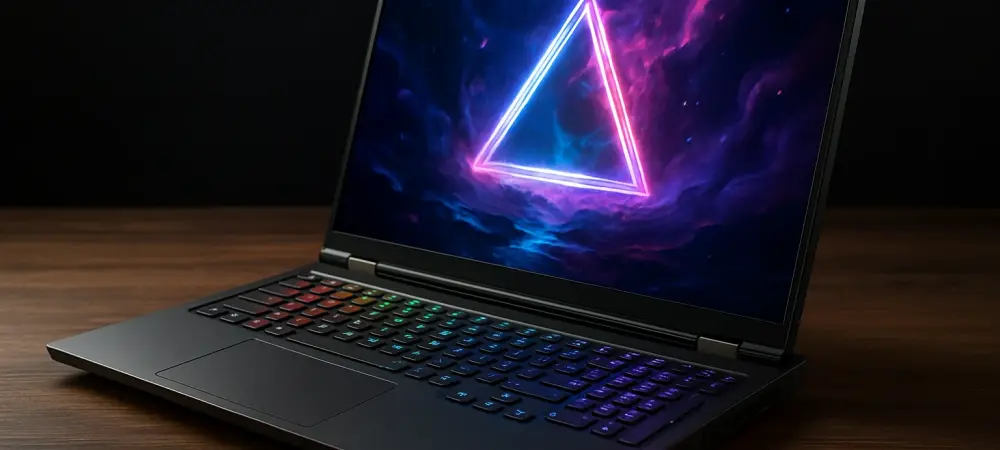
Lenovo has clearly designed this laptop with gamers in mind. The full-size keyboard comes with options for either white backlighting or 24-zone RGB lighting, letting users customize their setup for both functionality and style—perfect for late-night gaming sessions. Additionally, the 5-megapixel webcam paired with dual microphones is a solid feature for streamers or anyone on video calls, offering clear visuals and audio. It’s these thoughtful touches that make the laptop not just a tool, but part of a gamer’s lifestyle.
Lenovo has highlighted advanced cooling and AI tech in this model. Can you explain how these features improve performance during intense use?
Sure, one of the standout technologies here is Lenovo’s Hyperchamber cooling system. It’s designed to manage heat effectively during long, intense gaming sessions or heavy workloads by optimizing airflow and preventing thermal throttling. This means your laptop stays cool, and performance doesn’t dip even under pressure. On top of that, the inclusion of Lenovo’s LA1 AI chip helps fine-tune system performance, adjusting power and resources dynamically based on what you’re doing. Together, these features ensure the laptop runs efficiently and reliably, no matter how demanding the task.
What is your forecast for the future of gaming laptops like the LOQ series in terms of technology and market trends?
I’m really optimistic about where gaming laptops are headed. With advancements like AI-driven optimization and increasingly powerful GPUs becoming more accessible, we’re likely to see devices like the LOQ series continue to blur the line between desktop and laptop performance. In markets like India, where gaming and content creation are booming, I expect manufacturers to focus on balancing high-end specs with affordability. We might also see more integration of sustainable designs and even tighter synergies with cloud gaming platforms. It’s an exciting time, and I think laptops like these are just the beginning of a new era in portable power.