

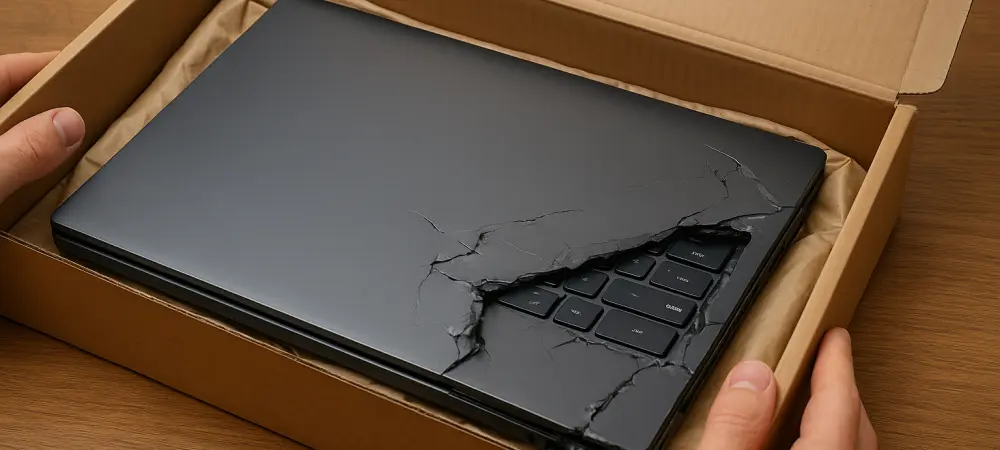
The risks of shipping expensive, enthusiast-grade hardware to centralized repair hubs are being highlighted by a recent incident involving a flagship Legion 7i model. This machine, featuring an Intel Core Ultra 9 275HX and an NVIDIA RTX 5090, represents a significant financial investment for any user. When a customer pays a premium for elite hardware, there is an underlying expectation that the manufacturer’s support services will treat the device with care. However, the logistical reality of sending a fragile laptop through a network of couriers and high-volume service centers introduces variables that jeopardize the physical integrity of the unit. For many enthusiasts, these devices are more than just tools; they are precision-engineered instruments where even minor cosmetic damage can drastically affect resale value and ownership pride. This case serves as a stark reminder that even authorized service paths can lead to unexpected complications for owners.
The Dispute Over Premium Hardware Maintenance
Performance Issues and Initial Support Request
The conflict originated when the owner noticed the CPU reaching temperatures of 102°C, causing significant thermal throttling and hindering the laptop’s high-performance capabilities. Seeking a permanent solution, the owner engaged the official warranty to send the device to a service center for inspection and thermal repasting. The expectation was a professional restoration of the cooling system to ensure the hardware operated within safe parameters. However, upon the laptop’s return, the owner discovered deep scrapes along the chassis and a protruding plastic component on the keyboard deck. These defects suggested that the device was handled with excessive force or improper tools during disassembly. Instead of receiving a repaired machine, the customer was presented with a unit that suffered from physical damage not present before shipping. This transition from a performance-based complaint to a physical damage dispute complicates the standard warranty process.
Accountability and the Financial Burden of Repair
The dispute intensified when the manufacturer demanded a payment of approximately £300, or roughly $400, to repair the physical damage discovered after the service visit. The company maintained that such defects were not covered under the standard warranty, placing the financial burden on the consumer. This situation highlights a common struggle: the difficulty of proving when and where damage occurred during the service chain. Because the owner did not document the laptop’s condition with high-resolution photos or video immediately before shipping, they lacked the definitive evidence needed to challenge the facility’s intake report. The manufacturer’s refusal to provide their own intake photos created a stalemate, leaving the customer with a damaged high-end machine and a large bill. This scenario underscores the critical importance of creating a comprehensive digital paper trail before handing over high-value assets to any third party, regardless of their official status.
Broader Implications for the Tech Service Industry
Quality Control Standards in Centralized Repair
This incident brings to light the inherent risks associated with high-volume, centralized repair hubs that may prioritize speed over meticulous handling. In these environments, technicians often work under strict time constraints, which can lead to mistakes when opening modern laptops that use complex clips and tight tolerances. Furthermore, the fragmentation of the service process—where the person receiving the device is rarely the one repairing it—leads to a breakdown in accountability. If a technician accidentally mars a chassis with a metal pry tool, there is often no internal mechanism to report the error, resulting in the device being shipped back to the customer as-is. For owners of premium hardware, this reality suggests that the ‘official’ label on a repair center does not always guarantee the highest level of craftsmanship. The pressure of maintaining profitability in service departments can sometimes clash with the delicate needs of enthusiast-level equipment.
Risk Mitigation and Future Service Strategies
The resolution of this matter offered several actionable insights for protecting high-value technology investments against service-related mishaps. It was determined that for common thermal issues, owners were often better served by exploring software optimization or local, certified on-site repairs rather than utilizing shipping-based depots. Proactive measures such as undervolting via ThrottleStop or fine-tuning fan curves proved to be effective ways to manage temperatures without risking physical damage in transit. Furthermore, successful consumers established a protocol of recording a single, continuous video showing the device’s functionality, its cosmetic state, and the final sealing of the shipping box. This provided an irrefutable record that held service centers accountable for any discrepancies found upon the unit’s return. By shifting toward a more documented and cautious approach to maintenance, users ensured that their hardware remained in the condition they expected from a premium brand.