

Introduction
The relentless expansion of artificial intelligence requires a massive amount of physical infrastructure to support the complex computations that drive modern digital transformation toward the future. Legacy Investing recently announced a 50MW project in Marion, Texas, to meet this demand.
Readers will explore the technical specifications and strategic location of the new facility. The discussion covers land-use transitions and advanced cooling methodologies essential for specialized hardware.
Key Questions or Key Topics Section
Where Is the New Facility Located?
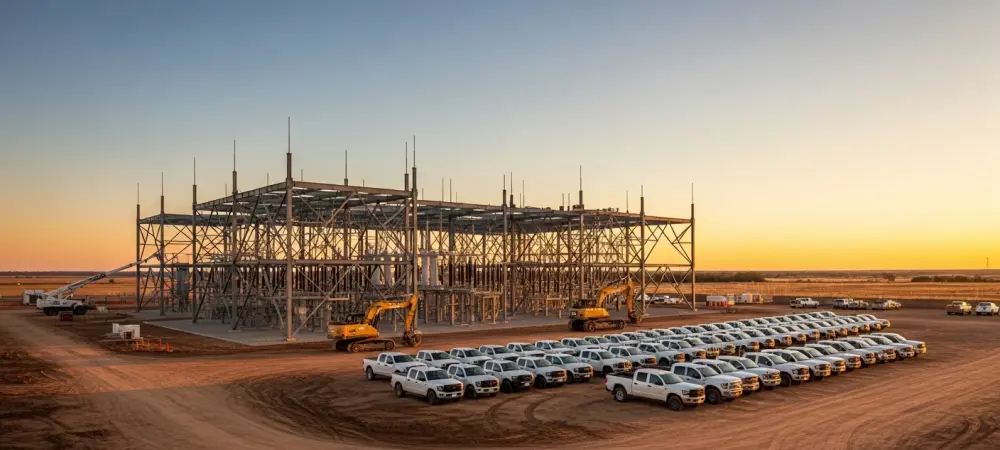
The project occupies 39 acres at 1000 Bolton Road in Guadalupe County, near San Antonio. Previously a karting complex, the site transition highlights the rising value of land capable of supporting massive power loads.
This location allows for future scalability. The shift from recreation to infrastructure reflects a growing trend of repurposing industrial space for technological needs.
What Technical Features Support AI Workloads?
Engineered for AI inference, the site uses direct-to-chip cooling and closed chilled water loops. These systems manage intense heat while maintaining efficiency. Completion is targeted for the fourth quarter of 2027. This timeline ensures the facility meets the immediate needs of the evolving machine learning market.
Who Is Developing This Infrastructure?
Legacy Investing manages a 20-million-square-foot portfolio, bringing deep experience to this venture. Their history includes successful partnerships with major industry leaders.
The firm is positioning itself as a primary provider in Texas. Their expertise ensures the facility can handle high-density computing requirements.
Summary or Recap
The Marion development highlights a focus on specialized AI infrastructure. By providing 50MW of capacity, the project addresses the shortage of data space needed for machine learning. This project effectively bridges the gap between traditional centers and high-performance requirements. It confirms that the Texas corridor is a central hub for the digital economy.
Conclusion or Final Thoughts
The investment in Marion indicated a shift where secondary markets gained priority. Stakeholders viewed this as a blueprint for rapid infrastructure deployment.
This project established how legacy sites transitioned into the digital backbone. Future success relied on balancing power demands with regional resources.