

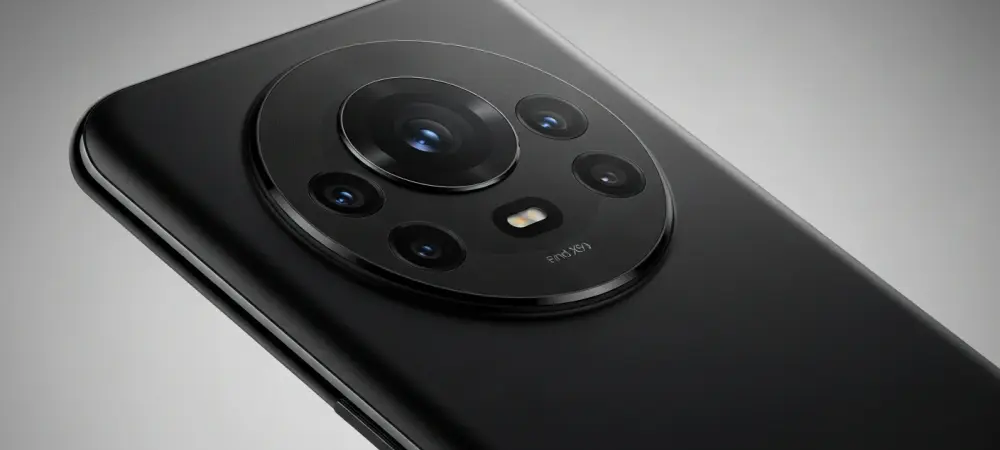
The relentless pursuit of professional-grade photography within the slim confines of a smartphone has just received its most compelling evidence yet, with recently surfaced images offering a tantalizing preview of what could be a new industry benchmark. These real-world snapshots, which have rapidly circulated online, provide the first clear look at the upcoming Oppo Find X9 Ultra, a device that appears poised to redefine mobile imaging. Beyond the initial glimpse of its refined chassis, which showcases a sophisticated flat display and a thoughtfully arranged button layout—power and volume controls on the right and a dedicated AI key on the left—the leak’s true bombshell is an audacious new camera accessory. The initial visuals suggest a device built from the ground up for enthusiasts, blending a classic, user-friendly form factor with cutting-edge hardware integrations. The inclusion of a specific key for artificial intelligence functions hints at a deeper software strategy, promising to leverage advanced processing to complement its formidable camera system and potentially offer users powerful, on-the-fly editing and enhancement capabilities.
A Closer Look at the Groundbreaking Telephoto System
The centerpiece of this leak is undeniably the enormous 300mm telephoto converter lens, an attachment that signals a dramatic escalation in the smartphone camera arms race. This accessory appears substantially larger and more complex than the already impressive Hasselblad Teleconverter Kit offered with the previous-generation Find X9 Pro, suggesting a monumental leap in optical performance. Its design incorporates additional zoom rings, a feature typically reserved for dedicated DSLR or mirrorless camera lenses, which points toward unparalleled manual control and a new level of creative freedom for mobile photographers. This isn’t merely an attachment; it’s the core of a comprehensive mobile photography ecosystem. The leaked images also reveal a bespoke case and a dedicated camera grip, both engineered to integrate seamlessly with the teleconverter. This holistic approach transforms the smartphone into a more ergonomic and stable shooting platform, allowing users to confidently handle the powerful lens and capture distant subjects with unprecedented clarity and precision, effectively blurring the line between a mobile device and a professional camera rig.
Under the Hood of the Quad-Camera Array
The leaked information suggests that the external hardware is supported by an equally impressive internal quad-camera system designed to deliver exceptional versatility and image quality in any scenario. The setup is reportedly headlined by a state-of-the-art 200-megapixel Sony LYTIA 901 primary sensor, a component expected to capture stunning detail and low-light performance. This main camera is said to be complemented by a second 200-megapixel OmniVision OV52A periscope telephoto sensor, providing a 3x optical zoom for crisp midrange shots. The array is further enhanced by a 50-megapixel Samsung ISOCELL JN5 ultra-wide-angle sensor, perfect for expansive landscapes and group photos. Rounding out this powerful quartet is another long-range periscope telephoto sensor capable of a remarkable 10x optical zoom. This combination of high-resolution sensors and multiple optical focal lengths points toward a device that aims to eliminate compromise, offering users a complete toolkit for capturing everything from sweeping vistas to distant wildlife with professional-grade fidelity.