

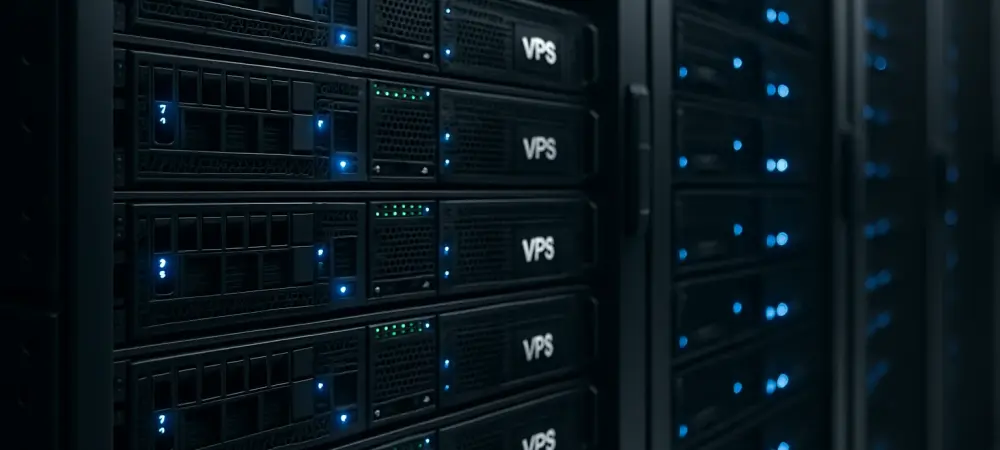
Imagine a university where cutting-edge research and sustainability converge in a single, transformative facility, poised to redefine academic computing across Germany. On August 25, Johannes Gutenberg University Mainz (JGU) turned this vision into reality with the grand unveiling of its innovative data center in Mainz, Germany. This landmark event marked a pivotal moment for the university, showcasing a hub that not only supports critical IT infrastructure but also champions eco-friendly design. With state backing and a focus on national collaboration, the inauguration drew attention from academic and technological communities alike, highlighting JGU’s role in shaping the future of research and digital innovation.
A Landmark Achievement for Academic Technology
The inauguration of the new data center at JGU on August 25 stood as a testament to the university’s commitment to advancing its technological capabilities. Located in the heart of Mainz, this facility is designed to serve as a cornerstone for both academic research and administrative operations. The event celebrated a significant investment by the state of Rhineland-Palatinate, which allocated between €29 million and €30.75 million to bring this project to fruition, underscoring the region’s dedication to fostering innovation in higher education.
Beyond its local impact, the data center positions JGU as a key player in broader initiatives like the National High-Performance Computing Center (NHR) and the Rhineland-Palatinate Data Center Alliance (RARP). Since joining the NHR in late 2022, JGU has offered free access to powerful computing resources for universities across Germany, amplifying the facility’s reach. The event emphasized how this hub will drive research excellence while setting a new standard for digital infrastructure in academia.
Key Moments from the Inauguration Event
The August 25 unveiling was filled with memorable highlights that captured the significance of the data center’s launch. Attendees witnessed a series of engaging activities, including keynote speeches from university leaders and state officials, alongside live demonstrations of the facility’s capabilities. The atmosphere buzzed with excitement as the academic community gathered to celebrate a project that promises to transform how research and data management are conducted at JGU.
A standout feature of the day was the focus on the data center’s dual role as both a technological marvel and a sustainability pioneer. Guests were introduced to its impressive specifications and eco-conscious design through various presentations, sparking discussions about its potential to influence future projects. This event not only marked the opening of a physical space but also symbolized a bold step toward integrating advanced technology with environmental responsibility in higher education.
Insights Shared During Keynote Speeches
Speeches delivered during the inauguration provided deep insights into the data center’s purpose and potential. University officials elaborated on how the facility will bolster JGU’s research ambitions by housing critical systems like the MOGON NHR South-West and MOGON II supercomputers. Their remarks underscored the importance of this infrastructure in enabling complex computational tasks essential for modern scientific discovery.
State representatives from Rhineland-Palatinate also took the stage, detailing the broader context of their €380 million investment in JGU’s research capabilities over the coming years. They emphasized the data center’s role as a flagship project within this initiative, reflecting a strategic focus on empowering academic institutions. These addresses highlighted a shared vision of positioning Mainz as a hub for innovation and collaboration on a national scale.
Exploring Regional and National Contributions
Discussions and panel sessions during the event shed light on the data center’s wider implications for both regional and national academic networks. Experts elaborated on JGU’s involvement in the NHR and RARP, explaining how these partnerships enable resource sharing and foster collaboration among German universities. The facility’s ability to offer free computing access was a recurring theme, illustrating its value beyond local boundaries.
Attention was also given to how this project addresses common challenges in digital infrastructure, such as scalability and efficiency. Panelists noted that the data center strengthens Germany’s academic computing framework by providing a robust platform for shared research efforts. These conversations painted a picture of a facility that serves as a catalyst for uniting institutions in tackling pressing technological needs.
Guided Tours and Hands-On Experiences
One of the most engaging aspects of the inauguration was the opportunity for attendees to explore the data center through guided tours. Covering 1,870 square meters, the facility was showcased in detail, with visitors navigating its enterprise and high-performance computing zones, equipped with 32 and 112 racks, respectively. These walkthroughs offered a firsthand look at the infrastructure that will support JGU’s digital operations.
Participants expressed keen interest in the layout and design, marveling at the seamless integration of advanced technology within the space. The tours also served as an educational platform, allowing guests to interact with experts and gain insights into the operational intricacies of such a sophisticated setup. This interactive element of the event left a lasting impression on those eager to understand the facility’s inner workings.
Highlighting Innovations in Sustainability and Technology
The event placed significant emphasis on the data center’s groundbreaking features, particularly its commitment to sustainability. With a maximum IT load capacity of 3.6 megawatts and a Power Usage Effectiveness (PUE) rating of 1.15 or lower, the facility sets a high bar for energy efficiency. Attendees learned about its closed water circuit, which eliminates traditional cooling needs, and an interface for reusing waste heat, showcasing a forward-thinking approach. Additionally, the inclusion of rooftop solar panels to offset energy demands was a focal point of the demonstrations. These eco-friendly innovations were presented as a model for future data centers in academia, aligning with global trends toward sustainable IT solutions. The unveiling of these features reinforced the notion that technological advancement and environmental stewardship can go hand in hand.
Envisioning the Next Era of Academic Computing
Reflecting on the key takeaways from the inauguration, it became clear that the data center represents a cornerstone for JGU’s digital and research future. Its integration with national initiatives like NHR and RARP ensures that its impact extends far beyond Mainz, fostering collaboration across Germany. The facility’s alignment with industry trends toward sustainable IT infrastructure further cements its role as a trailblazer in university technology.
Looking back, the event on August 25 not only celebrated a remarkable achievement but also laid the groundwork for actionable progress in academic computing. Stakeholders are now encouraged to leverage this infrastructure to drive interdisciplinary research and innovation, exploring partnerships that can amplify its reach. As discussions continue, the focus remains on harnessing this facility to address emerging challenges, ensuring that JGU remains at the forefront of technological and sustainable advancements in education.