

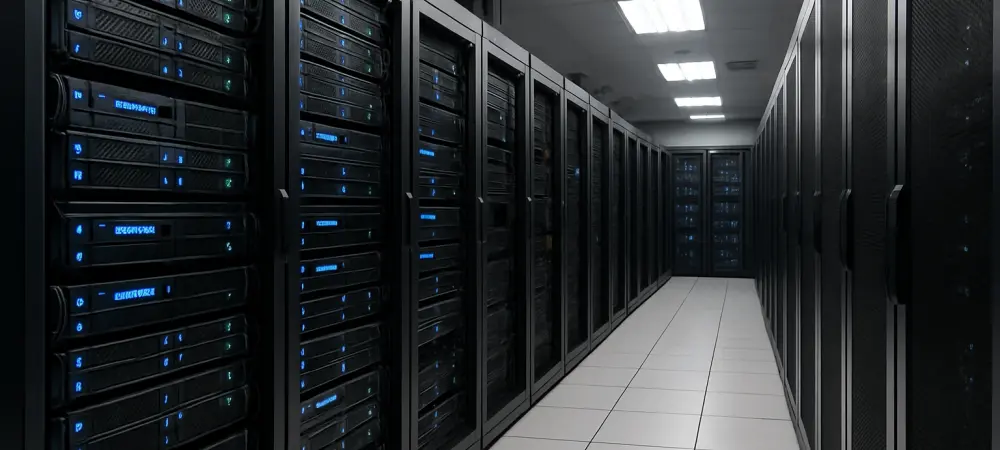
I’m thrilled to sit down with Dominic Jainy, a seasoned IT professional whose deep knowledge of cutting-edge technologies like artificial intelligence, machine learning, and blockchain extends into the realm of data center innovation. Today, we’re diving into an exciting and critical topic: water-free data centers. As sustainability becomes a pressing concern for the tech industry, Dominic offers a unique perspective on how these facilities could reshape the future of data center operations. Our conversation explores the motivations behind reducing water usage, the technologies making water-free cooling possible, the challenges of traditional methods, and the pioneering efforts of major players in the field.
How did the concept of water-free data centers come about, and why is slashing water usage such a critical focus for sustainability in this industry?
The idea of water-free data centers emerged from a growing awareness of resource scarcity and the environmental impact of tech infrastructure. Data centers consume massive amounts of water—often millions of gallons annually—primarily for cooling servers. With water becoming scarcer in many regions due to over-extraction and climate change, the industry realized it couldn’t keep operating on the same scale without a shift. Achieving a water usage effectiveness rate of zero liters per kilowatt hour isn’t just a nice-to-have; it’s a necessity in drought-prone areas where every drop counts. Plus, it’s about corporate responsibility—reducing strain on local communities and ecosystems is a big driver.
Can you break down how traditional data centers rely on water for cooling, and what kind of problems this creates?
Traditional data centers use water in evaporative cooling systems to manage the heat generated by servers. Water absorbs the heat and evaporates, dissipating it into the atmosphere, but this means you’re constantly losing water and need a fresh supply to replace it. This high consumption becomes a problem in water-stressed regions where local supplies are already limited. It can lead to tensions with communities who rely on the same resources for drinking or agriculture. Environmentally, it’s unsustainable—depleting groundwater faster than it can replenish is a real issue we’re seeing more and more.
What does a water-free data center actually mean, and how does it stand apart from facilities that are just cutting back on water use?
A water-free data center is one that eliminates water entirely from its cooling processes. Unlike facilities that focus on reducing water through efficiency tweaks or recycling systems like closed-loop cooling, these centers aim for zero water consumption in their core operations. Of course, there might be negligible use for things like restrooms, but that’s a drop in the bucket compared to cooling needs, which can account for thousands of gallons daily in traditional setups. It’s a complete rethink of how we manage heat in these environments.
What are some of the innovative technologies driving the shift to water-free cooling, and what trade-offs do they involve?
One promising method is liquid immersion cooling, where servers are submerged in a non-conductive fluid that absorbs heat without evaporating like water does. It’s incredibly energy-efficient, but the upfront costs are steep, making it a tough sell for some operators. Then there’s mechanical cooling, similar to air conditioning systems, which uses chilled air to cool equipment. It’s more affordable to set up but guzzles electricity, so unless you’ve got access to renewable energy, you’re swapping one sustainability challenge for another. Both approaches show promise, but they require careful balancing of cost, energy, and environmental impact.
We’ve heard about major players stepping up in this space. Can you share insights on what companies are doing to pioneer water-free data centers?
Microsoft is leading the charge with plans to pilot water-free data centers by 2026, focusing on mechanical cooling combined with chip-level solutions to target heat directly at the source. While details are sparse, their commitment signals a serious push. Other companies like NOVVA and Vertiv have also floated concepts for water-free cooling, though they haven’t locked in firm timelines. I believe these efforts are genuine—sustainability is becoming a competitive edge, and public pressure is mounting. I expect more companies will jump on board as the technology matures and costs come down.
Looking ahead, what’s your forecast for the future of water-free data centers in the broader tech landscape?
I think water-free data centers will become more common, but not ubiquitous, at least not in the near term. The technology exists, but the economics and complexity of implementation mean we’ll see gradual adoption, starting with companies that can afford to experiment or those in water-scarce regions with no other choice. Over the next decade, as cooling solutions get cheaper and more efficient, and as renewable energy becomes more accessible, I predict a significant shift. The bigger question is whether regulatory pressures or public demand will accelerate this timeline—sustainability isn’t just a trend; it’s becoming a mandate.