

The relentless escalation of global supply chain expectations has reached a tipping point where traditional inventory management methods often crumble under the weight of high-velocity fulfillment demands. Choosing to implement the Advanced Warehouse Management System (WMS) within the Microsoft Dynamics 365 Finance & Supply Chain ecosystem is not a decision to be taken lightly, as it represents a fundamental shift in how a business conceptualizes the movement of goods. This transition involves moving beyond basic bin tracking into a realm where algorithmic logic dictates every step of the operational process. For many leaders, the allure of total control is tempting, yet the true challenge lies in determining if the current physical infrastructure and digital readiness of the facility can actually support such a sophisticated framework. Without a clear understanding of the operational philosophy behind Advanced WMS, organizations risk investing in a tool that might ultimately hinder rather than help their daily output.
Shifting Control: From Workers to Software
The primary transformation involves moving the intellectual engine of the warehouse from the individual floor worker to the core software architecture. In a traditional warehouse environment, the staff frequently relies on personal experience and physical proximity to decide the most efficient way to pick orders or store incoming shipments. This reliance on tribal knowledge creates a significant vulnerability, particularly during periods of high turnover or rapid seasonal scaling where new hires lack the historical context of the layout. Advanced WMS dismantles this model by establishing a system-directed workflow where the software evaluates every variable to issue precise instructions. By removing human guesswork, the system ensures that every movement is theoretically optimal, but this requires an organization to be comfortable with a level of rigidity that can feel restrictive to long-term employees accustomed to having autonomy over their task prioritization. Achieving success with system-directed logic demands a high degree of digital maturity and a meticulous approach to data integrity across the entire supply chain. Because the software is now responsible for choreographing the dance of forklifts and pickers, any inaccuracy in the digital twin of the warehouse will result in immediate physical bottlenecks. The implementation process necessitates a comprehensive mapping of every physical location, shelf height, and travel path to ensure the algorithms can calculate the most efficient routes. Furthermore, the workforce must be trained to follow mobile device prompts without deviation, as the system tracks inventory in real-time based on the completion of these specific tasks. While this level of discipline leads to incredible granular visibility, it also means that the initial setup phase is far more intensive than a standard ERP module rollout, requiring a dedicated team to manage the complex configuration of work templates and location directives.
Building the Foundation: Scalable Growth and Precision
To function effectively, the system relies on several technical pillars including granular storage locations, digital license plates for tracking containers, and automated work templates. These components allow the software to govern every movement within the warehouse with absolute precision by assigning a digital identity to every pallet or box. By defining rules through location directives, the system ensures that inventory flows according to specific business logic, such as prioritizing specific zones for high-turnover items or enforcing strict first-in-first-out protocols for perishable goods. This level of detail enables the warehouse to operate as a cohesive unit where the software knows the exact position and history of every stock keeping unit. Such precision is a prerequisite for any organization looking to move beyond manual entry and into a truly data-driven operational model where every square foot of the facility is utilized with maximum efficiency.
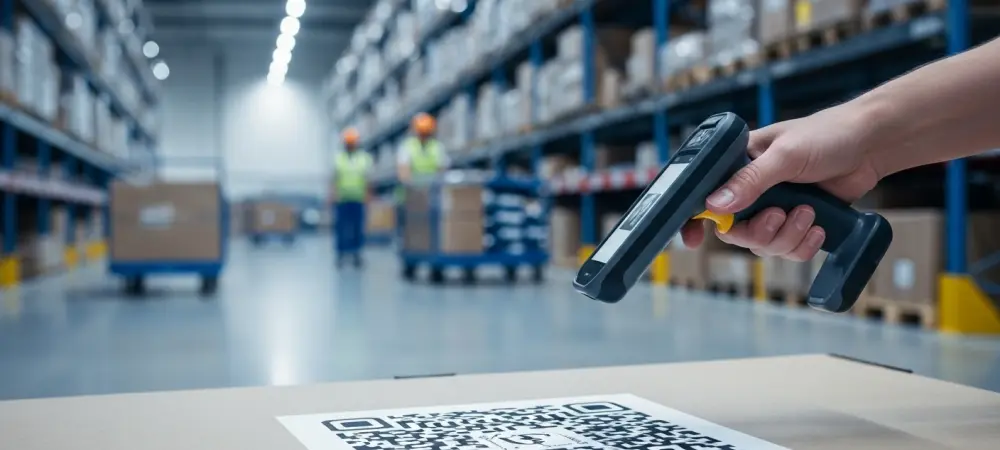
When these technical elements are properly aligned, the value proposition becomes clear through significant gains in accuracy and total throughput across the facility. Organizations can eliminate deadheading by optimizing travel paths and virtually remove picking errors through mandatory barcode validation for every action performed by the staff. Furthermore, the system provides the necessary infrastructure for advanced fulfillment strategies like wave picking and containerization, which are essential for businesses looking to scale their operations or integrate autonomous robotics. By automating the decision-making process for packaging and shipping, the Advanced WMS reduces the cognitive load on the workforce, allowing them to focus on physical execution rather than administrative problem-solving. This shift not only accelerates the shipping cycle but also creates a predictable and repeatable process that can be expanded to new locations with minimal friction or operational downtime.
Strategic Assessment: Weighing Risks Against Needs
Despite these benefits, the sophistication of Advanced WMS carries the risk of process bloat if it is applied to an environment that does not truly require it. For smaller operations with low transaction volumes, the rigid requirements of the system—such as scanning a license plate for every single move—can actually slow down fulfillment and frustrate employees who were previously faster with manual methods. Because the configuration is so intricate, a single error in the rules engine can halt an entire shipping line, meaning the solution requires ongoing maintenance and a dedicated support structure to remain an asset rather than a bottleneck. Organizations must be honest about their internal technical capabilities, as the complexity of maintaining location directives and work sequences requires a specialized skill set that may not exist within a traditional IT department or warehouse management team. Determining readiness ultimately comes down to an objective assessment of transaction volume, physical facility size, and the specific needs of the labor force. A high-volume facility facing stringent compliance requirements or high labor turnover is an ideal candidate for a full-scale deployment because the system provides the necessary guardrails to ensure quality. Conversely, if operations are relatively simple and the team lacks the internal resources to manage complex logic, sticking with basic inventory processes is often the more efficient and cost-effective path forward. The decision should be driven by a desire to solve specific operational pain points rather than a pursuit of the most advanced technology for its own sake. Leaders who prioritized the alignment of their business processes with the system requirements found that the transition provided a competitive advantage that justified the initial hurdles.
Actionable Path: Future Considerations for Logistics
A successful transition to a logic-driven warehouse environment required more than just a software installation; it demanded a total reimagining of physical and digital workflows. Organizations that achieved the best results began by conducting a thorough audit of their current physical layout and inventory accuracy before ever touching the software configuration. They recognized that the system could only be as effective as the data it was provided, so they prioritized cleaning up SKU dimensions and location data as a first step. Furthermore, forward-thinking managers invested heavily in change management, ensuring that floor workers understood the why behind the new rigid processes. This helped mitigate the frustration that often accompanied the loss of autonomy when the system began directing every move. By treating the implementation as a cultural shift rather than just a technical upgrade, these businesses moved toward a more resilient model. Looking toward the next phase of supply chain evolution, the implementation of Advanced WMS served as the essential bridge to full-scale automation and artificial intelligence integration. Companies that successfully stabilized their WMS environments were then able to introduce autonomous mobile robots and automated storage systems with significantly less effort than those starting from scratch. They moved from a reactive posture to a proactive one, using the data generated by the system to predict bottlenecks before they occurred. For those still evaluating their readiness, the most practical next step involved a pilot program in a single zone of the warehouse to test the logic without disrupting the entire operation. This measured approach allowed for the identification of logic gaps and provided a training ground for “super users” who eventually led the full rollout. Ultimately, the transition proved that technical sophistication was most valuable when it was matched by operational discipline and a clear strategic vision.