

The intricate nature of modern urban architecture demands a level of fiscal precision that traditional manual billing methods simply cannot provide in an increasingly complex real estate market. A single physical structure housing dozens of diverse entities creates a billing puzzle that standard retail utility models are not equipped to solve. Unlike a traditional provider-to-consumer relationship, property management involves a shared ecosystem where resources are consumed across a vast, interconnected infrastructure rather than at a single metered point. This fundamental reality means that property managers often find themselves at a crossroads between administrative efficiency and financial accuracy, struggling to bridge the gap between gross consumption and individual tenant responsibility.
This complexity often forces managers into a cycle of manual calculations and error-prone spreadsheets to account for heating, cooling, and maintenance. However, as the industry moves toward deeper digitalization, the reliance on external “shadow” documents has become a significant liability. SkyBill transforms this process by introducing a rule-based automation layer directly within Microsoft Dynamics 365, ensuring that every dollar spent on the property is accounted for and fairly distributed among tenants. By integrating these processes into the primary Enterprise Resource Planning (ERP) environment, management firms can finally eliminate the fragmentation that has historically plagued the property sector.
Breaking the Spreadsheet Cycle: Moving Beyond Manual Calculations
The persistence of the spreadsheet in modern property management is a testament to the lack of specialized tools available in traditional accounting software. For decades, property managers have been forced to export data from their primary systems into complex Excel workbooks to perform the “heavy lifting” of cost distribution. This process is not only time-consuming but also creates a significant risk of human error, where a single broken formula or a misaligned row can lead to thousands of dollars in billing discrepancies. When these errors occur, the administrative burden of issuing credit notes and re-explaining invoices to frustrated tenants can paralyze an entire management team for days.
Moreover, the move toward automated shared cost allocation represents more than just a time-saving measure; it is a fundamental shift in how data is treated within an organization. When cost allocation rules are hard-coded into a system like SkyBill, the logic becomes permanent and auditable, rather than residing in the mind of a single employee or a fragile file on a local drive. This transition allows for a level of scalability that manual processes simply cannot support. Whether a firm is managing a single high-rise or a global portfolio of mixed-use developments, the automated engine applies the same rigorous logic across every square foot, ensuring consistency and professional standards at every turn.
The High Stakes: Transparency and Compliance in Modern Property Management
In the current real estate market, tenant trust is a primary driver of retention, and that trust is often built or broken through the monthly invoice. When a management firm can demonstrate a clear, logical methodology for shared costs, it minimizes disputes and fosters a professional relationship with residential and commercial occupants alike. In contrast, tenants who receive opaque bills with “miscellaneous” or “shared” charges that lack a clear derivation are far more likely to challenge their lease terms or seek alternative accommodations. Modern tenants expect the same level of granular detail from their property manager that they receive from a telecommunications provider or a utility company.
Beyond the immediate concerns of tenant satisfaction, there is the critical issue of financial integrity and legal standing. Many jurisdictions enforce strict regulations regarding how common area costs are passed on to renters, and an automated system provides the auditable trail necessary to prove compliance while protecting the property’s net operating income. Regulatory bodies are increasingly scrutinizing how “hidden” fees are distributed, and having a system that can generate an instant report on the exact allocation logic used for a specific period is an essential defense against legal challenges. This level of transparency protects the reputation of the management firm and ensures that all parties are operating under a fair and equitable financial agreement.
Hidden Costs: Navigating Shared Expenses and Bulk Meter Losses
Identifying shared costs is the first step toward equitable billing, encompassing everything from climate control in lobbies to elevator maintenance and land lease overhead. These expenses are the lifeblood of a functioning property, yet they are often the most difficult to assign to specific users. For example, the energy required to keep a lobby at a comfortable temperature benefits the boutique retail shop on the ground floor as much as it does the corporate office on the tenth floor, but their usage patterns and lease agreements may differ wildly. Identifying these shared buckets of expense requires a system that can categorize costs at the point of entry and then apply redistribution logic automatically.
One of the most persistent financial leaks in property management is the technical discrepancy known as bulk meter loss. This occurs when a building’s master meter records higher consumption than the combined total of individual tenant sub-meters due to leaks, inefficiencies, or unmetered usage in common areas. Historically, many property owners simply absorbed these “residual” costs as part of the price of doing business, which directly eroded their profit margins. By systematically identifying these residual values, management teams can stop absorbing these hidden costs and instead redistribute them fairly across the tenant base using predefined mathematical models, ensuring the owner is never left paying for system-wide inefficiencies.
Systemic Integration: Turning Dynamics 365 Into a Property Powerhouse
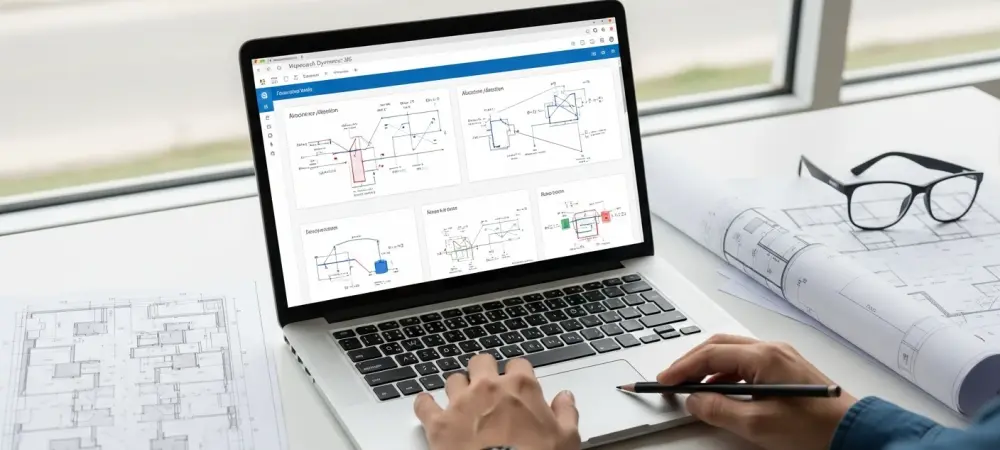
While Dynamics 365 Business Central is a robust ERP platform, it requires specialized extensions to handle the granular data structures of utility billing and property-specific overheads. SkyBill bridges this gap by introducing specific modules for supply points, meter hardware tracking, and complex tariff management. This integration eliminates the need for disconnected third-party software, creating a single source of truth where financial reporting and operational data are synchronized. When a utility bill is entered into the system, it is no longer just a static expense; it becomes a dynamic data point that the allocation engine immediately processes based on the building’s specific configuration. The inclusion of smart meter and Internet of Things (IoT) integration allows for automated data imports, further reducing human error and moving the billing cycle seamlessly from meter reading to debt collection. In this integrated environment, the system can detect anomalies in consumption patterns—such as a sudden spike in water usage that might indicate a leak—before the bill is even generated. This proactive approach to data management allows property managers to resolve technical issues before they become financial disputes. By housing all of these functions within the Dynamics 365 ecosystem, organizations benefit from a unified interface and a shared database, which significantly reduces the training burden on staff and improves overall data security.
Strategic Frameworks: Managing Flexible and Hierarchical Allocation Rules
To accommodate diverse property portfolios, a one-size-fits-all allocation rule is rarely effective across different asset classes. A sophisticated billing strategy utilizes multiple distribution models simultaneously, such as proportional allocation based on square footage for insurance, occupancy-based metrics for waste management, and consumption-based redistribution for utility losses. SkyBill allows these rules to be applied with high granularity at the property level, the building level, or even within individual contracts. This flexibility is essential for managing mixed-use properties where a grocery store anchor tenant might have a completely different utility arrangement than the residential apartments situated above it.
This hierarchical approach ensures that managers can respect legacy lease agreements and unique tenant requirements while maintaining a standardized, automated workflow across their entire portfolio. Instead of treating every unique lease as a manual exception, the system allows for custom formulas to be embedded directly into the contract record. When the monthly billing cycle begins, the engine evaluates the hierarchy of rules—starting with the individual contract and moving up to the building-wide policies—to ensure that every invoice is accurate and compliant with the specific terms agreed upon by the tenant. This level of sophistication turns a potential administrative nightmare into a push-button operation, allowing management firms to focus on strategic growth rather than clerical firefighting.
The transition toward automated shared cost allocation represented a fundamental evolution in how property managers approached financial stewardship in a competitive environment. Companies that integrated these advanced systems moved beyond reactive billing and instead utilized their newfound data clarity to negotiate better utility contracts and identify structural inefficiencies within their buildings. This proactive stance transformed the finance department from a cost center into a source of strategic insight, ensuring that property portfolios remained resilient against economic fluctuations. By the time these automated processes became the industry standard, the once-daunting task of expense redistribution had become a seamless, invisible component of daily operations. The adoption of such technology provided a foundation for long-term sustainability, allowing managers to offer more competitive rates while simultaneously improving the bottom line through the elimination of wasted resources and unrecovered costs. Ultimately, the shift toward integrated ERP billing solidified the professional reputation of early adopters and set a new benchmark for transparency in the global real estate market.