

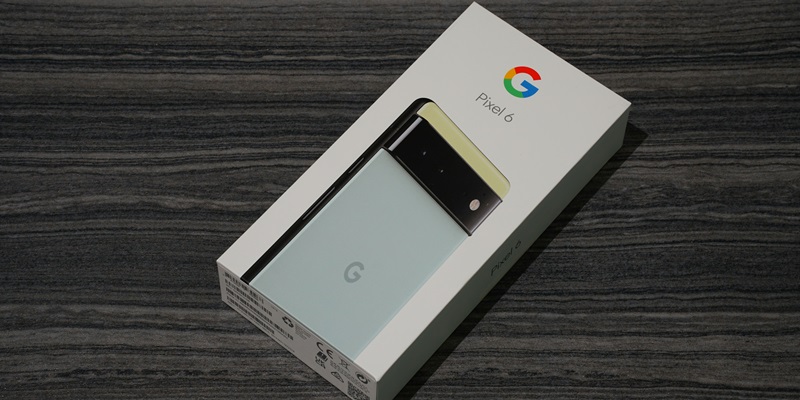
The Pixel 6 smartphone, celebrated for its advanced features and seamless user experience, is currently under fire due to a mysterious glitch that has left many devices unusable. Reports indicate that this critical issue is often encountered during the factory data reset process but has also been seen following routine device updates. This malfunction typically begins with an alarming error message suggesting potential data corruption, which prompts users to initiate a factory reset. Unfortunately, this action doesn’t solve the problem. Instead, users are met with a subsequent error message indicating the absence of a crucial system file, tune2fs, essential for booting the device.
The Impact on Pixel 6 Users
User Experiences and System Failures
For Pixel 6 owners, encountering this glitch is more than a minor inconvenience—it is a significant crisis. The malfunction’s immediate consequence is the rendering of the device inoperative, which raises substantial concerns about data security and system integrity. Many users report that the problem loops persistently, making their smartphones entirely unusable. This has led to an outpouring of frustration and anxiety among affected customers, who are now apprehensive about the potential risks to their personal information stored on these devices.
The core of the issue appears to be tied to the functionality of the tune2fs system file, a critical component without which the device cannot boot. This revelation has given rise to considerable speculation about the software architecture of the Pixel 6. Despite the phone’s sophisticated design and user-friendly interface, this glitch exposes significant vulnerabilities. Consequently, the flaw has stirred controversy, causing many to question Google’s accountability and transparency in addressing such a critical issue.
Growing Distrust and Users’ Outcry
The continued unresolved nature of this glitch has amplified dissatisfaction among Pixel 6 users. Many remain wary of performing factory resets or even standard updates, fearing that their devices may fall victim to the same cycle of errors. This hesitancy reflects a growing distrust in the reliability of the Pixel 6’s software, a stark contrast to the confidence that tech enthusiasts typically place in such advanced devices. Furthermore, the lack of an effective and timely resolution from Google has exacerbated user frustration, leading to an active dialogue about corporate responsibility and customer care.
Google’s response to this issue has been scrutinized, with affected users demanding clearer communication, more substantial reassurance, and, above all, a definitive fix. The tech giant’s current measures seem insufficient to alleviate the anxiety and inconvenience caused by the malfunction. Instead, the event has illuminated the broader implications for how software issues can degrade trust in a brand, especially when left inadequately addressed.
Google’s Response and Technical Challenges
The Corporate Accountability Aspect
From a corporate accountability perspective, Google’s handling of this Pixel 6 glitch underscores significant areas for improvement. Users have voiced their expectations loudly, calling for Google to demonstrate greater transparency and urgency in resolving these technical complications. However, Google’s efforts so far have fallen short of what many consider an acceptable standard for crisis management. This gap has undermined the reputation of the Pixel 6, not just as a product but as a symbol of technological advancement and reliability.
The systemic implications of such a malfunction extend beyond the immediate user complaints. They touch on the broader criteria of quality assurance in software development. The failure to catch such a critical issue before widespread release raises questions about the rigors of Google’s testing protocols. These concerns emphasize the necessity for meticulousness in deploying updates and performing routine device checks, something that evidently needs reinforcement in the wake of this controversy.
Technical Complexities and Need for a Solution
Resolving this issue involves navigating complex technical challenges, particularly related to the tune2fs file that is crucial for device boot-up. The file’s corruption or absence points to deeper issues within the operating system’s framework, necessitating a comprehensive assessment and update. Google’s technical teams must prioritize identifying the root causes and implementing robust fixes, ensuring that these measures are resilient enough to prevent future occurrences.
These technical complexities highlight underlying weaknesses in the Pixel 6’s software architecture, weaknesses that are incompatible with the high expectations of today’s tech consumers. The urgency to address these flaws can’t be overstated, as continued delays have an erosive effect on consumer trust and brand loyalty. Ensuring the stability and reliability of their devices must be at the forefront of Google’s operations to restore confidence among Pixel 6 users and to protect the integrity of their product line.
Future Implications for Pixel 6 and Beyond
The Pixel 6 smartphone, known for its cutting-edge features and smooth user experience, is currently facing significant criticism due to a puzzling glitch that has rendered many devices inoperative. Users have reported that this critical issue often arises during the factory data reset process, but it has also been observed following standard device updates. This malfunction usually starts with a distressing error message warning of potential data corruption, prompting users to perform a factory reset. Unfortunately, rather than resolving the problem, this action leads to another error message indicating the absence of a vital system file, tune2fs, which is crucial for the device to boot properly.
In light of this issue, many Pixel 6 owners are expressing frustration and disappointment. They feel that a device marketed for its reliability and performance should not suffer from such a fundamental flaw. Google’s response to this problem will be pivotal in determining user trust and loyalty moving forward. The tech giant has yet to provide a comprehensive fix or a clear timeline for resolving this issue, leaving many customers in a state of uncertainty.