

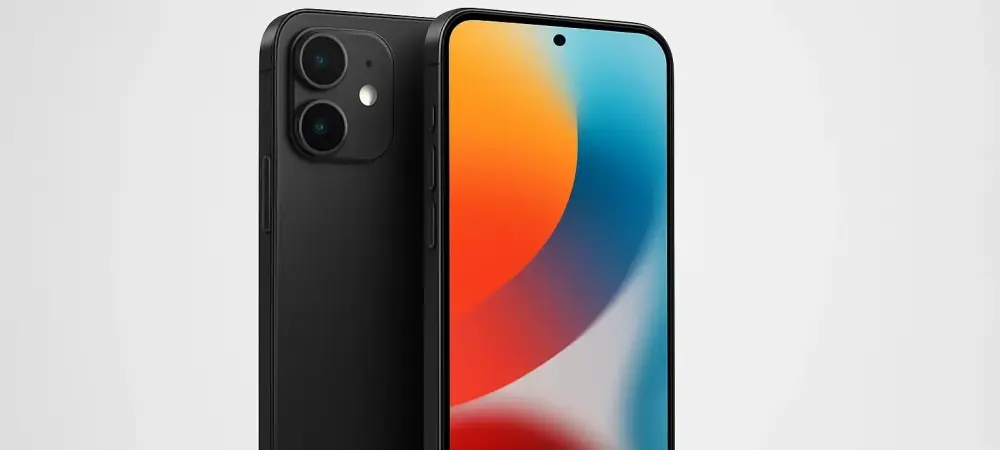
Smartphone design has journeyed through numerous transformations, but the advent of the Infinix Hot 60 Pro+ may mark a fresh trajectory in this realm. With its ultra-sleek 5.95mm profile, Infinix has engineered a device that challenges conventional expectations of what a modern smartphone encompasses. As consumer demand veers increasingly toward elegance paired with functionality, this release could potentially redefine industry benchmarks.
The Relevance of Design in the Evolving Smartphone Market
Today’s smartphone market is not just driven by the ever-increasing demand for technological prowess but also by the aesthetics that attract users. A well-designed smartphone can significantly sway consumers’ decisions, as personal preferences have shifted towards devices that reflect both utility and style. Industry trends now place a strong emphasis on craftsmanship and user experience, sparking a design revolution where form meets function.
An In-Depth Look at the Infinix Hot 60 Pro+ Features
At the core of the Infinix Hot 60 Pro+ stand a series of design innovations and technological advancements. Featuring a 6.78-inch curved AMOLED display, it offers an impressive 144Hz refresh rate, setting itself apart from competitors. The marriage of a sizable screen with an ultra-slim build and a substantial 5,160mAh battery that supports 45W fast charging elevates its profile. The device’s lightweight construction, thanks to an aluminum frame and nanofiber back, positions it as both practical and avant-garde. Its internal specs, powered by the MediaTek Helio G200 chipset with 8GB RAM and up to 256GB storage options, cater seamlessly to both performance and storage needs.
Perspectives from Design Experts and User Feedback
Design experts have lauded the Infinix Hot 60 Pro+ for its ability to bridge high tech with contemporary aesthetics. A notable industry expert remarked that the device exemplifies a “bold synthesis of art and science,” reflecting the growing influence of design-centric innovation in tech products. Early user testimonials echo similar sentiments, praising the Pro+ for its ease of use and visual appeal, further establishing its favor among tech enthusiasts.
The Future of Smartphone Design and Consumer Choices
Infinix’s approach with the Hot 60 Pro+ may signal emerging trends in smartphone architecture where reduced thickness and enhanced displays become more prevalent. This shift encourages consumers to evaluate potential purchases not just based on traditional specifications like processing speed or camera megapixels, but also the integrative design aspects that shape overall user satisfaction. The industry could witness a paradigm shift where aesthetic experimentation and functional sophistication define success.
Moving Forward with Design-Driven Innovations
The introduction of the Infinix Hot 60 Pro+ has underscored how design innovation has redefined both consumer expectations and industry standards. While these features have set new aspirations, the actual effect on altering broader design practices remains to be fully realized. For future advancements, manufacturers might focus on creating synergy between technology and design, unlocking further potential for user-centered innovations. As designs continue to evolve, exploring diverse materials and new design concepts could form the crux of the next technological leap, paving the way for the next generation of smartphones.