

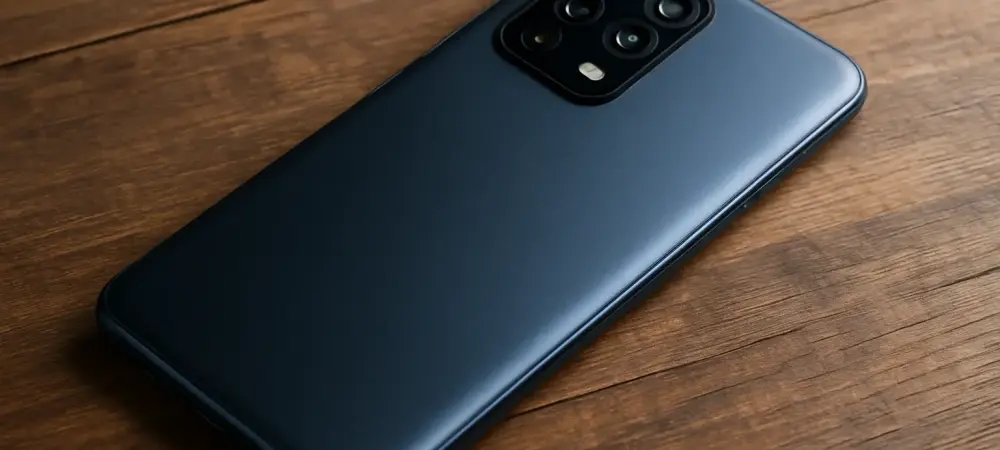
The often-quiet digital corridors of regulatory agencies have once again become the source of major technological tremors, with recent listings on the US Federal Communications Commission (FCC) and IMEI databases heralding the imminent arrival of a new contender in the smartphone arena. A device bearing the model number 2512BPNDAG has officially surfaced, and the “G” suffix strongly indicates this is a global variant poised for a widespread release that includes key markets like Europe. This model is widely believed to be the Xiaomi 17 Ultra, the fourth and most powerful entry in the upcoming Xiaomi 17 series. The appearance in these official registries is typically the final precursor to a formal announcement, lending significant weight to rumors of a launch event scheduled for December 26. For enthusiasts and industry watchers, these certifications transform speculation into tangible anticipation, signaling that a device designed to push the boundaries of mobile performance is not just a concept but a reality preparing for its debut on the world stage.
A Glimpse into the Future of Mobile Technology
Beyond the initial confirmation of its existence, leaked specifications paint a picture of a device engineered for an uncompromising user experience. The handset is expected to be built around a large 6.8-inch 2K LTPO display, a technology that promises both stunning visual fidelity and intelligent power management through dynamically adjusting refresh rates. Encasing this advanced screen is a rumored 3D-printed titanium alloy middle frame, a feature that points to a new level of premium construction, offering superior durability and a lighter feel compared to conventional materials. The entire experience will be orchestrated by HyperOS 3, the latest iteration of the company’s operating system, which is built upon the foundation of Android 16. This combination of a sophisticated display, a cutting-edge chassis, and a next-generation operating system suggests a holistic design philosophy focused on delivering a seamless and luxurious interaction from the moment the device is held to the moment the screen lights up, setting a new benchmark for what users can expect from a top-tier smartphone.
Power and Performance Redefined
The internal architecture of the Xiaomi 17 Ultra appeared to be just as ambitious as its external design, with every component selected to deliver peak performance. At its heart was the next-generation Snapdragon 8 Gen 5 Elite chipset, a processor expected to set new standards in computational power and efficiency. This formidable processing capability was complemented by what could be a revolutionary camera system: a Leica-branded quad-camera setup featuring three distinct 50-megapixel sensors alongside a groundbreaking 200-megapixel periscope sensor, promising unprecedented detail and zoom capabilities. To sustain this high-performance hardware, the device was rumored to house a battery with a capacity exceeding 7,000mAh, supported by 50W wireless charging to ensure longevity and convenience. With a full suite of modern connectivity, including 5G, Wi-Fi 7, NFC, and Bluetooth, and a rumored starting price of CNY 6,499, the specifications positioned the Xiaomi 17 Ultra not merely as an iterative update but as a decisive statement on the future of flagship mobile technology.