

Finding an affordable tablet excelling in both display quality and battery life is a common challenge. The OnePlus Pad Go 2 aims to solve this, bundling premium features into a budget-friendly package to redefine market value. The affordable tablet market represents a significant and competitive sector, and this review will explore how the Pad Go 2 positions itself with key upgrades and a compelling overall value proposition.
Introducing the OnePlus Pad Go 2
This device furthers OnePlus’s strategy of making high-end tech accessible. It is positioned to attract value-conscious buyers by integrating features like a 120Hz screen and a large battery, which are rare at its price. The tablet’s core principle is to deliver premium specifications without the associated high cost, establishing it as a key product in the company’s global lineup.
Core Hardware and Key Features
Upgraded Display and Visual Experience
The highlight is a 12.1-inch “ReadFit” IPS LCD. Its 120Hz refresh rate and 900 nits brightness deliver a smooth, vibrant visual experience ideal for media. These specifications ensure that scrolling is fluid and content remains visible even in bright conditions, enhancing the user experience for both entertainment and general use.
Performance and Connectivity
An efficient 4nm Dimensity 7300-Ultra chipset ensures smooth use. This modern processor allows for capable multitasking and light gaming. The device is available as an 8/128GB Wi-Fi model or an 8/256GB version with 5G, providing options for different connectivity needs.
Battery Life and Charging
A massive 10,050mAh battery provides up to 15 hours of video playback, making it a reliable all-day companion. However, the 33W power adapter needed for fast charging is omitted from the box. This requires users to supply their own compatible charger to take full advantage of its charging capabilities.
New Developments and Competitive Edge
With its upgrades and a starting price of £320, the Pad Go 2 is highly competitive. It offers a superior feature-to-cost ratio that challenges rivals. This strategic pricing, extending up to £450 for the 5G model, positions it aggressively against other devices in the budget tablet segment.
Real-World Use Cases and Ecosystem
Entertainment and Media Consumption
For entertainment, the tablet excels. Its large display and long battery life create an ideal package for immersive streaming and gaming on the go. The combination of a high-quality screen and extended power makes it a compelling device for media consumption.
Productivity with New Accessories
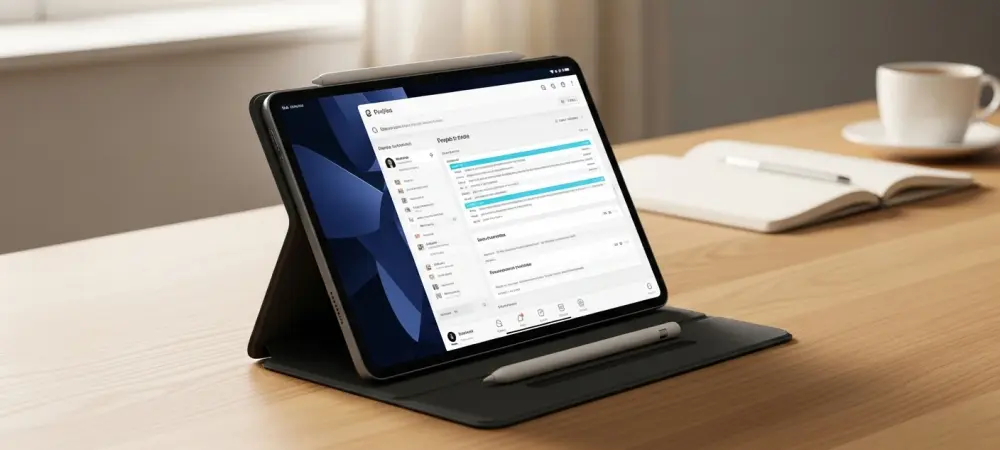
Productivity is enhanced with optional accessories like the lag-free Pad Go 2 Stylo for notes and the magnetic Folio Case that doubles as a stand. These add-ons transform the tablet into a more versatile tool for work and creative tasks.
Challenges and Notable Omissions
The main drawback is the excluded power adapter. This decision creates a hidden cost and inconvenience for users, slightly undermining the tablet’s value. While a growing market trend, it remains a point of friction for consumers who do not already own a compatible fast charger.
Future Outlook and Market Impact
Launch promotions, like a bundled Watch 2R, boost its initial appeal. A growing accessory ecosystem is also vital for solidifying OnePlus’s market presence. These factors will influence the tablet’s long-term success and help establish the brand more firmly in the industry.
Conclusion and Final Recommendation
The OnePlus Pad Go 2 made a strong case as a category leader. Its brilliant 120Hz display and exceptional battery delivered a premium experience that was marred only by the excluded charger. The tablet proved to be an excellent choice for media lovers and students who needed a reliable, long-lasting device, provided they could supply their own fast charger.