

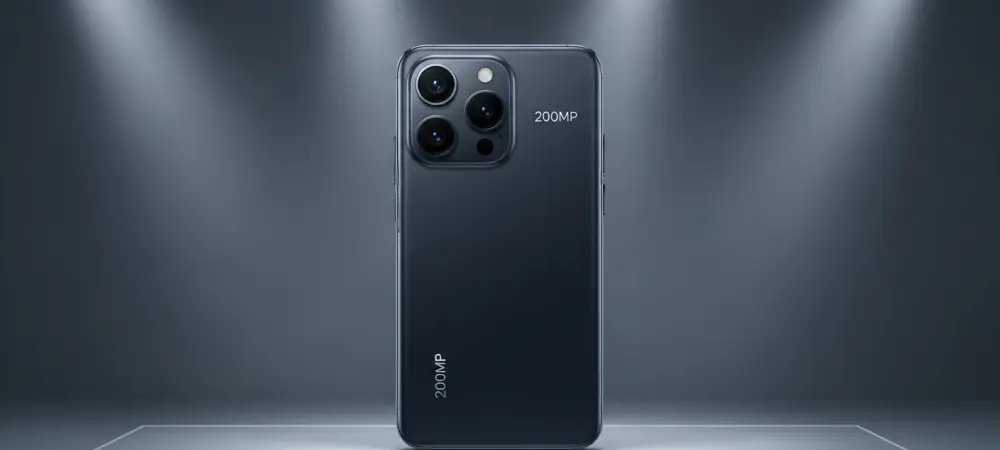
The landscape of mobile high-performance computing is undergoing a seismic shift as the upcoming Xiaomi 17 Max emerges from early performance testing with benchmarks that challenge the current industry standards for raw processing speed and efficiency. Recently identified under the model designation 2605EPN8EC, this device has surfaced on Geekbench ahead of its anticipated May 21 debut in the Chinese market, signaling a new chapter in the brand’s aggressive hardware strategy. The data reveals impressive scores of 3,750 in single-core and 11,674 in multi-core metrics, positioning it comfortably ahead of the existing Xiaomi 17 Ultra and establishing a new performance ceiling for 2026 flagships. This development suggests that the brand is not merely iterating on previous designs but is instead recalibrating its architectural approach to prioritize sustained peak performance. While the standard 17 series already commands respect, the Max variant appears engineered to bridge the gap between smartphones and mobile workstations.
Technological Foundations of the Max Architecture
Driving this performance is the integration of the Snapdragon 8 Elite Gen 5 chipset, a component that represents the pinnacle of current semiconductor manufacturing. This silicon is paired with 16GB of high-speed RAM, ensuring that multitasking remains fluid even under the most demanding workloads, such as real-time 8K video rendering or high-fidelity mobile gaming. Beyond the hardware, the software environment is equally advanced, as the device is slated to launch with the newly refined Android 16 operating system. This synergy allows for better resource allocation and thermal management, which is critical given the high clock speeds observed in early testing. When contrasted with the standard 17 series, the Max model utilizes more sophisticated cooling solutions to maintain performance levels. This focus on sustained output indicates that the device is targeted at power users who demand consistency. The inclusion of Android 16 further future-proofs the handset for the AI-driven features of late 2026.
Redefining the Premium User Experience
Physical hardware transitions the conversation to a user-centric experience, headlined by a massive 6.9-inch display and an industry-leading 8,000mAh battery. This battery capacity is particularly noteworthy, as it effectively addresses the endurance concerns typically associated with high-resolution displays. In the photography department, the transition from 50MP sensors to a sophisticated 200MP main camera provided a significant leap in detail. To capitalize on these advancements, consumers should have prioritized exploring high-capacity cloud storage solutions, as the file sizes for 200MP imagery necessitated robust data management. Looking ahead, the broader release of the Xiaomi 17T series suggested a global strategy aimed at maintaining this technological momentum. Users interested in this power were encouraged to monitor local availability and evaluate their current mobile infrastructure to ensure it supported high-speed data. This strategic pivot successfully moved the focus toward long-term usability and extreme hardware longevity.