

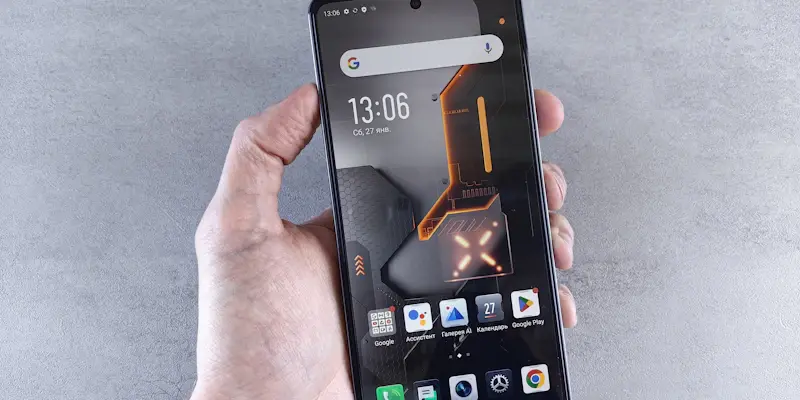
In an era where capturing high-quality photos on-the-go has become a daily necessity, the smartphone industry continues to push the boundaries of technological innovation. An intriguing example is the highly anticipated Vivo X200 Ultra, whose camera specifications have recently been revealed by the well-known tipster Digital Chat Station on Weibo. With a focus on high-resolution photography, this flagship model aims to elevate the standard of smartphone cameras through cutting-edge technology and advanced features.
Advanced Camera Capabilities
The Vivo X200 Ultra is expected to flaunt a triple rear camera system that should capture attention and admiration from photography enthusiasts. This system comprises a 50-megapixel main sensor, a 50-megapixel secondary sensor equipped with an ultra-wide lens, and a whopping 200-megapixel periscope camera. The periscope camera is anticipated to utilize Samsung’s ISOCELL HP9 sensor, which is known for its high resolution and clarity. Additionally, all three cameras are designed to support 4K video recording at an impressive 120 frames per second, allowing users to create stunning cinematic videos.
One of the standout features of the primary camera is its large aperture, which promises to enhance low-light photography. Anti-shake features are expected to ensure that photos remain sharp and focused even in less-than-ideal conditions. These advancements are further bolstered by Vivo’s next-generation in-house imaging chip, demonstrating the company’s commitment to delivering an exceptional photography experience with this new model.
Comparison to Predecessors
To appreciate the advancements in the Vivo X200 Ultra, it’s essential to look at its predecessor, the Vivo X100 Ultra, which already set a high bar with its camera setup. The Vivo X100 Ultra features a Zeiss-branded triple rear camera system, including a 50-megapixel Sony LYT-900 main sensor, a 50-megapixel ultra-wide lens, and a 200-megapixel telephoto ISOCELL HP9 sensor. It also comes with the V3+ Blueprint imaging chip, which enables 4K portrait videos.
Moreover, the recently introduced Vivo X200 series in India continues this trend with Zeiss-branded triple rear cameras across its variants. For example, the Vivo X200 Pro boasts a 50-megapixel Sony sensor complete with Optical Image Stabilization (OIS), a 50-megapixel wide-angle camera with autofocus, and a 200-megapixel telephoto sensor offering 3.7x optical zoom and OIS support. These features highlight Vivo’s ongoing dedication to providing high-quality photography options tailored to diverse user needs.
A Leap Forward in Smartphone Photography
In an age where snapping top-notch photos while on-the-go has become essential, the smartphone industry is continually advancing technological innovation to meet this demand. A prime example of this progress is the highly awaited Vivo X200 Ultra, whose camera details were recently disclosed by the renowned tipster Digital Chat Station on Weibo. This flagship model puts a premium on high-resolution photography, aiming to set a new benchmark for smartphone cameras through state-of-the-art technology and sophisticated features.
The Vivo X200 Ultra is expected to come loaded with advanced camera capabilities that will redefine mobile photography. The anticipation surrounding this device is fueled by its promise of delivering exceptional image quality and performance, making it a strong contender in the competitive market of camera-centric smartphones. With each new release, manufacturers are doing their best to impress consumers with superior camera technology, and the Vivo X200 Ultra is no exception, as it strives to elevate the standards and offer unparalleled photography experiences on mobile devices.