

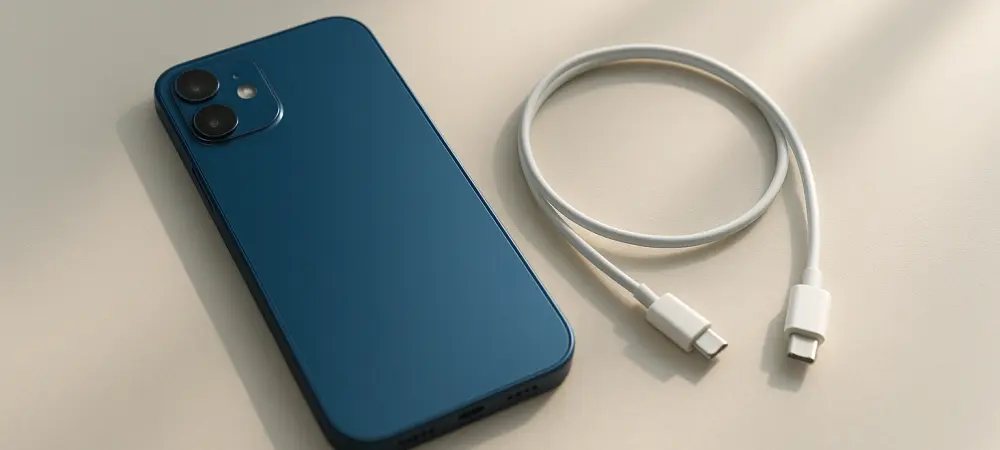
Introduction
Finding a smartphone that manages to balance professional-grade optics with a battery that lasts through a weekend of heavy usage has long been the industry’s ultimate pursuit. On October 6 at 12:00 PM, the official Indian debut of the Vivo V80 aims to fulfill this requirement by positioning itself as a high-performance successor to the V70. This transition marks a significant moment for mobile technology as the series pivots toward professional imaging and unprecedented battery endurance in the current market.
Available in Sunrise Anthem, Horizon Blue, and Stellar Black, the device is scheduled for release through major digital platforms such as Amazon and Flipkart. This article explores the core features of the handset, examining how its display, camera, and power systems compare to current standards. Readers can expect to learn about the specific hardware innovations that define this new release and its impact on the competitive mobile landscape.
Key Questions: Exploring the Vivo V80 Capabilities
What Defines the Visual and Photographic Capabilities of the Vivo V80?
Modern users demand a seamless blend of aesthetic brilliance and functional precision when interacting with mobile screens and camera lenses. A high-performance display serves as the primary window to digital content, while professional-grade optics allow individuals to document their surroundings with cinematic clarity. These elements are essential components for anyone seeking a premium mobile experience without carrying bulky traditional equipment. The device addresses these needs with a 6.59-inch 1.5K OLED panel that features exceptionally slim 1.25mm bezels and a fluid 144Hz refresh rate. This screen achieves an industry-leading peak brightness of 5,000 nits, ensuring perfect visibility even under direct sunlight. For photography, a Zeiss-branded triple-camera array utilizes a 50-megapixel Sony LYTIA 700V sensor and a 50-megapixel Night Telephoto lens. This setup supports 100x digital zoom, complemented by AI Diwali Portrait 2.0 tools for refined festive lighting.
Does the Power Management System Provide a True Competitive Edge?
Battery endurance remains a critical factor for users who rely on their devices for productivity and entertainment throughout the day. Even the most advanced hardware loses value if it cannot sustain operation without frequent charging. Finding a balance between a high-capacity cell and a portable form factor has traditionally been a significant engineering hurdle for manufacturers aiming at the mid-to-high-range segment. This handset resolves the power dilemma by incorporating a massive 7,200mAh battery, which is the highest capacity ever seen in the history of the V-Series. Combined with 90W FlashCharge technology, the system supports nearly 40 hours of local video playback. Performance is further optimized by the Snapdragon 7 Gen 4 chipset and the debut of OriginOS 7 based on Android 17. This software integration ensures that hardware resources are managed efficiently, pushing the boundaries of flagship-lite performance in 2026.
Summary: The Evolution of the V-Series
The Vivo V80 consolidates high-end optics with a massive battery to establish itself as a versatile contender in a competitive market. By integrating a 144Hz OLED screen with a Zeiss-branded camera system, the manufacturer has prioritized the visual experience for creators. The inclusion of a 50-megapixel front-facing camera with autofocus further solidifies its appeal to a generation focused on high-quality social content and portrait photography.
Final Thoughts: Navigating the New Flagship-Lite Standard
The arrival of the Vivo V80 established a new benchmark for what consumers anticipated from a mid-to-high-range device. It successfully merged extreme battery longevity with sophisticated imaging tools, proving that users did not have to compromise on specialized features. This launch encouraged many to reevaluate their mobile priorities toward a more balanced hardware profile. Future purchasers were wise to monitor retail availability as the landscape of premium mobile photography shifted.