

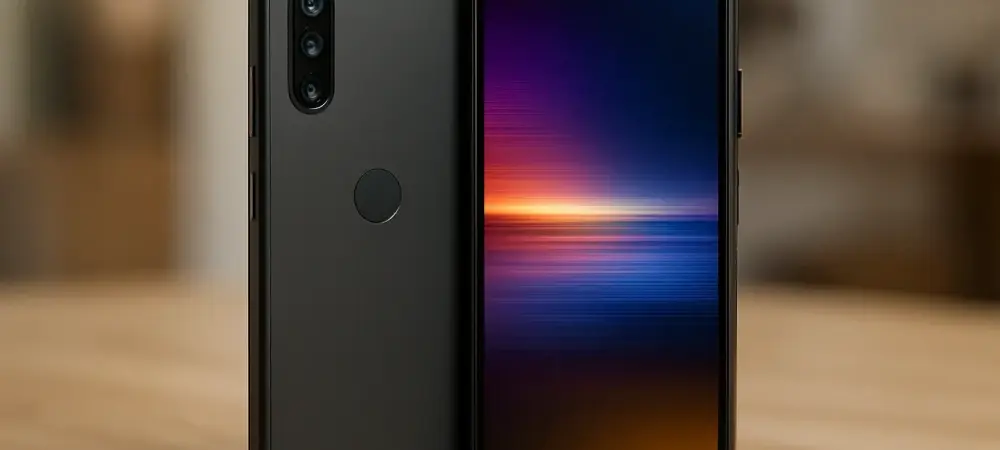
In a world where mid-range smartphones are increasingly expected to deliver premium features at accessible price points, Sony has stepped into the spotlight with a device that aims to strike the perfect balance between performance and affordability. Unveiled recently in select markets like the UK, European Union, and Japan, this dual-SIM smartphone targets consumers who crave modern specifications without breaking the bank. With a starting price of EUR 399 (approximately $447) and GBP 449 (around $590), and available in White, Turquoise, and Charcoal Black, the device promises a compelling mix of style and substance. Pre-orders are slated to kick off on September 12 through Sony’s official channels in these regions, though a launch in markets like India appears unlikely due to the company’s strategic withdrawal from that space. This release raises an intriguing question about whether Sony has crafted a standout option in a crowded segment, blending cutting-edge technology with practical design to appeal to a wide range of users seeking value.
Unveiling Cutting-Edge Features
The latest addition to Sony’s lineup comes equipped with a host of impressive specifications that position it as a serious contender among mid-range devices. At the heart of the smartphone is a 6.1-inch full-HD+ OLED display, boasting a resolution of 1,080×2,340 pixels, a 120Hz refresh rate, and a 120Hz touch sampling rate for fluid visuals and responsive interactions. Protected by Corning Gorilla Glass Victus 2, the screen also supports a 100 percent DCI-P3 color gamut, ensuring vibrant and accurate colors. Powering the device is the Snapdragon 6 Gen 3 chipset, complemented by 8GB of RAM and 128GB of internal storage, expandable up to 2TB via a MicroSD card slot. On the software front, it runs Android 15, delivering a fresh and up-to-date user experience. The camera system further enhances its appeal, featuring a dual rear setup with a 50-megapixel primary sensor and a 13-megapixel ultra-wide lens, alongside an 8-megapixel front camera for selfies and video calls. These elements collectively suggest a device built to handle everyday demands with ease.
Balancing Performance with Practicality
Beyond its technical prowess, the smartphone offers a well-rounded package that emphasizes durability, connectivity, and user convenience, catering to practical needs in a competitive market. A robust 5,000mAh battery promises long-lasting usage, reducing the need for frequent charging during busy days. Connectivity options are equally modern, with support for dual-band Wi-Fi 6E, Bluetooth 5.4, NFC, and Google Cast, ensuring seamless integration with today’s networks and devices. Security is addressed through a reliable fingerprint scanner, while the build quality shines with IP65 and IP68 ratings for dust and water resistance. Measuring 153×72×8.3mm and weighing just 168g, its compact and lightweight design makes it comfortable for daily carry. While the limited regional rollout—focusing solely on the UK, EU, and Japan—reflects a selective market strategy, the device’s blend of premium features and accessible pricing showcased during its launch on a recent Friday highlights Sony’s commitment to delivering value-driven innovation to targeted audiences.