

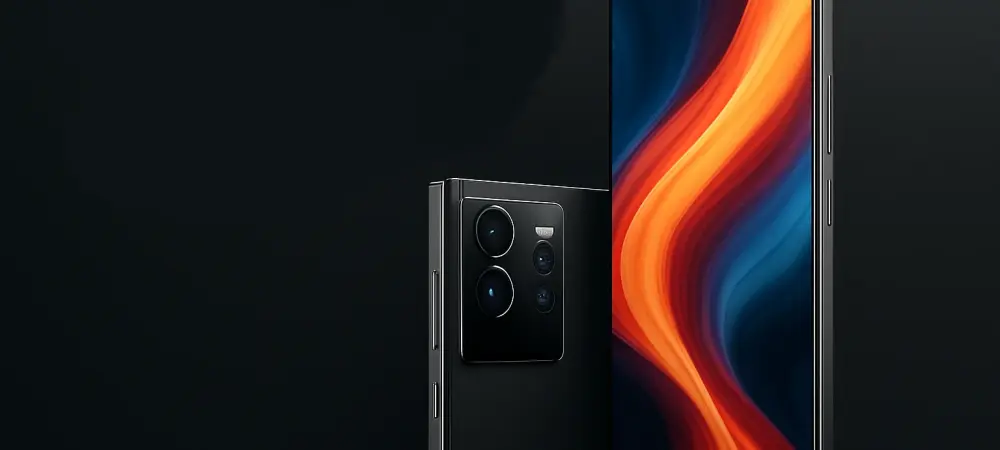
What happens when a smartphone camera starts to rival the precision of professional gear, yet remains as portable as ever? Picture this: capturing a distant bird in flight with crystal-clear detail or snapping a concert photo from the back row that looks like it was taken up close—all from a device in your pocket. Nubia’s Z80 Ultra, launched this year, is turning heads with its bold claim to transform mobile photography. This flagship Android device, especially its much-talked-about Photographer Edition, promises to challenge the boundaries of what a smartphone can achieve. Dive into the hype and see if this gadget truly holds the power to change the game.
Why the Z80 Ultra Stands Out in a Crowded Market
The smartphone arena is more competitive than ever, with every brand vying for attention through cutting-edge features. Nubia, a subsidiary of ZTE, has carved out a distinct space by prioritizing photography, and the Z80 Ultra is its latest weapon. Released in 2025, this device isn’t just another flagship—it’s a statement of intent, aiming to cater to both casual users and serious shutterbugs with specs that demand a closer look.
Beyond the flashy marketing, the significance of this release lies in its timing and focus. As social media and content creation continue to shape digital life, the demand for high-quality, on-the-go imaging has skyrocketed. Nubia’s push with the Z80 Ultra, particularly through a specialized edition for photographers, taps directly into this cultural shift, making it a device that’s not just relevant but potentially revolutionary for creators.
Camera Tech That Could Change the Game
At the heart of the Z80 Ultra’s appeal is its camera system, rumored to be a leap forward even for Nubia’s already impressive standards. The Photographer Edition, a revival of a concept seen in earlier models, reportedly boasts the brand’s most advanced periscope zoom technology. Building on Nubia’s pioneering work with 35mm lens integration, this setup promises unparalleled clarity and range, potentially allowing users to capture detailed shots of subjects far beyond the reach of typical smartphone lenses.
Industry leaks suggest that early testers have been blown away by the camera’s performance in tricky lighting conditions. One anonymous source described a nighttime cityscape shot as “almost DSLR-like in its depth and sharpness,” hinting at a level of detail that could appeal to professionals. If these claims hold up under official scrutiny, the Z80 Ultra might redefine expectations for mobile photography, bridging a gap once thought unbridgeable.
The implications extend beyond hobbyists to those who rely on smartphones for work. Imagine a journalist documenting a breaking story or a travel vlogger capturing remote landscapes, all without lugging around heavy equipment. This focus on imaging excellence positions the device as a tool for storytelling in an era where visual content reigns supreme.
Power and Display: Beyond Just Snaps
While the camera steals the spotlight, the Z80 Ultra doesn’t skimp on other essentials. A massive battery, speculated to be around 7,000mAh, addresses a persistent frustration with flagships: rapid power drain during intensive use. For users who spend hours shooting video or editing on the go, this capacity could mean the difference between a full day of productivity and a mid-afternoon scramble for a charger.
Equally striking is the display innovation tied to this model. Featuring Nubia’s 8th-generation Under-Display Camera (UDC) technology paired with a 1.5K resolution screen, the device aims for a near bezel-less experience. This design minimizes distractions, offering an immersive canvas for viewing and editing photos or simply enjoying media, setting a new benchmark for screen-to-body ratio in the industry.
These elements together suggest a holistic approach to user needs. A smartphone isn’t just a camera; it’s a daily companion for communication, entertainment, and work. By balancing power and visual appeal with imaging prowess, Nubia seems intent on delivering a package that feels complete rather than niche.
What Experts Are Saying About Nubia’s Bold Move
Tech analysts have taken notice of Nubia’s strategy, particularly with the Photographer Edition’s targeted appeal. A recent report from a leading tech journal highlighted that the integration of advanced zoom technology aligns with a growing market for specialized devices among content creators and photography enthusiasts. “Nubia is playing to its strengths, and it’s a smart move in a saturated market,” noted one industry observer, pointing to a trend where differentiation is key.
Competitive pressure is also a factor in the buzz. With the Z80 Ultra powered by Qualcomm’s Snapdragon 8 Elite 2 processor, it stands shoulder-to-shoulder with rivals like Xiaomi’s 16 series, which rolled out similar hardware this year. Early feedback from beta testers suggests the device holds its own in raw performance, with some praising the camera’s processing speed as “a step ahead” in real-world use, though comprehensive reviews are still forthcoming.
This chatter reflects a broader industry narrative: smartphone makers must innovate or risk fading into the background. Nubia’s gamble on blending top-tier specs with a photography focus could either cement its reputation as a trailblazer or expose gaps if the execution falters. The stakes, as experts see it, couldn’t be higher.
Practical Impacts for Everyday Users
For those considering the Z80 Ultra, the question isn’t just about specs but how they translate to daily life. If photography drives your smartphone choice, the rumored zoom and lens capabilities in the Photographer Edition could elevate everything from vacation snapshots to professional-grade projects. Think of zooming in on a distant landmark with clarity that rivals dedicated cameras—a game-changer for memory-making.
Battery life, too, offers tangible benefits for a wide range of users. With around 7,000mAh of capacity, the device could support extended gaming sessions, long streaming binges, or marathon workdays without the constant need for a power source. This endurance caters to anyone who values uninterrupted connectivity, from students to remote professionals.
Finally, the edge-to-edge UDC display might reshape how content is experienced. Whether browsing social feeds, editing visuals, or watching films, the minimalist design reduces visual clutter, potentially enhancing focus and enjoyment. As Nubia rolls out more details, weighing these perks against competing flagships will be crucial to determining if this device fits specific lifestyles or needs.
Reflecting on Nubia’s Latest Leap
Looking back, the launch of the Z80 Ultra marked a pivotal moment for Nubia, showcasing a blend of innovation and niche appeal that captured widespread attention. The emphasis on camera technology through the Photographer Edition, paired with robust battery life and a cutting-edge display, positioned the device as a serious contender among Android flagships. It wasn’t just about keeping up; it was about setting a new standard for what a smartphone could be.
Moving forward, the challenge lies in sustaining this momentum. Consumers and enthusiasts alike should keep an eye on how Nubia builds on this foundation, particularly with software updates that could further refine the camera’s potential. Exploring community feedback and comparing real-world performance against promises will also be key to understanding the device’s lasting impact.
Ultimately, the conversation around mobile photography has been reshaped by such advancements. For anyone invested in capturing life’s moments with precision, considering tools like the Z80 Ultra—or future iterations inspired by it—offers a pathway to push creative boundaries. The next step is to test these innovations firsthand and see where they lead in an ever-evolving tech landscape.