

Introduction
Navigating the modern graphics hardware market often feels like walking a tightrope between achieving smooth frame rates and maintaining a responsible household budget for most casual enthusiasts. This analysis explores the viability of the Radeon RX 9050 series, a line of graphics processors designed to provide a contemporary entry point into the RDNA 4 architecture. As the current landscape evolves, understanding where these budget-friendly components sit within a complex product stack is essential for anyone looking to upgrade without overspending. The objective is to dissect the technical specifications, performance expectations, and pricing structures that define this hardware to determine if it truly serves the needs of the average gamer.
The scope of this exploration covers the architectural shifts within the Navi 44 core and the divergent memory configurations that have sparked considerable discussion among technical reviewers. Readers can expect to learn about the trade-offs between efficiency and power, as well as the regional availability constraints that might influence a purchasing decision. By examining how this entry-level series compares to its higher-tier siblings, such as the RX 9070 and RX 9060, a clearer picture of its value proposition emerges. This guide provides the necessary insights to navigate the marketing jargon and identify whether this specific GPU series aligns with the requirements of a modern 1080p gaming setup.
Key Questions or Key Topics Section
What Are the Core Hardware Capabilities of the RX 9050?
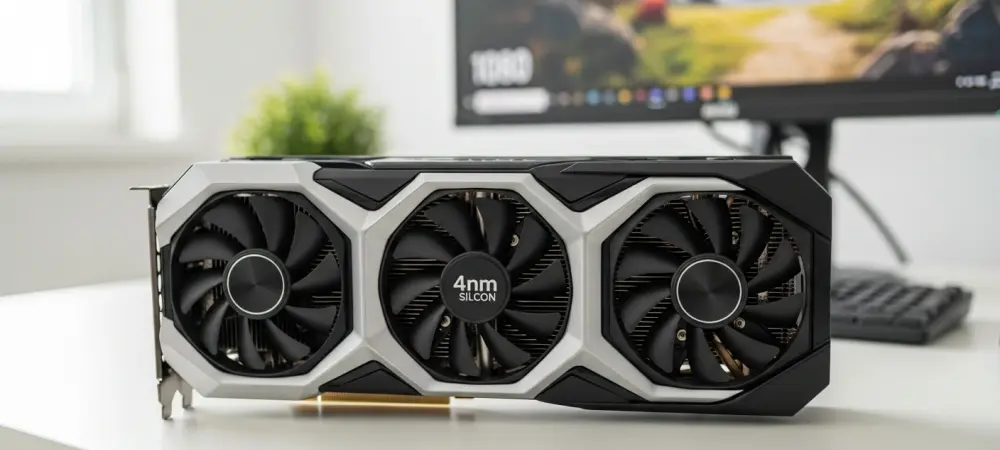
The Radeon RX 9050 is built on the foundation of the Navi 44 core, utilizing a sophisticated 4nm process node from TSMC to maximize transistor density and energy efficiency. This architecture represents a streamlined version of the more powerful RDNA 4 chips, specifically tailored for users who prioritize low power consumption and a compact form factor. By focusing on a “cut-down” iteration of the silicon, the manufacturer provides a pathway for modern features like improved ray tracing and advanced cache structures to reach a broader audience that does not require flagship-level performance. The hardware configuration includes 1,024 stream processors organized into 16 compute units, which is exactly half of what is found in the more robust RX 9060 XT. Despite this reduction, the card integrates 32 MB of Infinity Cache to help mitigate potential data bottlenecks during intense gaming sessions. With a peak performance rating of approximately 10.6 TFLOPs, the series offers a respectable level of computational power for standard tasks, although it sits in the shadow of the 48.7 TFLOPs delivered by high-end models in the same generation.
How Significant Is the Difference Between the Memory Variants?
One of the most discussed aspects of this series is the decision to offer two distinct memory configurations that significantly alter the performance profile of the device. The 8 GB variant utilizes a 128-bit memory bus, providing a bandwidth of 288 GB/s, which is generally considered the baseline for modern 1080p gaming. This version allows for more breathing room when loading high-resolution textures, ensuring that the transition between different game environments remains fluid and free from stuttering or sudden frame drops. In contrast, the 4 GB model features a much narrower 64-bit bus, which effectively halves the available bandwidth to 144 GB/s. This reduction is a controversial move toward cost-saving, as modern gaming titles increasingly demand more VRAM and faster data access to function correctly. While the 4 GB model might suffice for older titles or very light workloads, there is a legitimate concern that this configuration will struggle with the latest software updates, potentially rendering the card obsolete much faster than its 8 GB counterpart.
What Performance Benchmarks Can Users Expect in 1080p Gaming?
The primary target for the RX 9050 is the 1080p medium-settings tier, where it aims to deliver a consistent and playable experience across various genres. In demanding cinematic titles, the hardware has demonstrated an ability to reach nearly 96 frames per second in environments like Cyberpunk 2077, provided the settings are tuned for efficiency. For racing enthusiasts, the card maintains a high level of fluidity, pushing past 130 frames per second in titles such as Forza Horizon 6, which highlights its strength in well-optimized engines.
Beyond high-fidelity games, the series excels in the realm of competitive eSports, where high refresh rates are more critical than visual complexity. In these scenarios, the GPU easily sustains frame rates in the triple digits, making it a viable option for players of tactical shooters or battle royale games. Furthermore, the low thermal design power of around 92W for the 8 GB model makes it an excellent candidate for small-form-factor builds, especially if the rumored 75W version allows for operation without any external power cables.
Does the Current Market Pricing Support a Budget-Friendly Label?
At a suggested retail price of $279 for the 8 GB model, the RX 9050 enters a market where the definition of “budget” has shifted considerably. Historically, entry-level cards occupied the space below $200, but global manufacturing costs and persistent memory shortages have pushed these price points upward. While the card offers the latest architectural benefits, potential buyers must weigh this cost against older mid-range cards that might offer similar raw performance for a lower price on the secondary market. Initial reports indicate a focused release in the Asia-Pacific and Latin American markets. This regional strategy suggests the manufacturer is targeting emerging gaming economies where 1080p remains the dominant resolution and power efficiency is a primary concern for consumers. For those in other regions, the long lead time between the announcement and actual market availability in mid-2026 may influence the decision to wait or look toward competing solutions that are already on the shelves.
Summary or Recap
The analysis of the Radeon RX 9050 series highlights a product that balances the cutting-edge RDNA 4 architecture with the practical constraints of entry-level gaming. Key takeaways include the efficiency of the Navi 44 core and the stark performance difference between the 8 GB and 4 GB memory models. While the higher-capacity version provides a stable experience for modern 1080p gaming, the lower-tier model faces significant hurdles due to its restricted memory bus. The $279 price point reflects current market realities but remains a point of contention for those accustomed to traditional budget pricing. Ultimately, the series offers a specific solution for regional markets and low-power builds, provided users are aware of the hardware limitations of the base configurations.
Conclusion or Final Thoughts
The trajectory of the RX 9050 reflected a broader industry shift where entry-level hardware became increasingly specialized and technically fragmented. The decision to maintain a 4 GB variant suggested a commitment to the lowest possible price point, even if it meant compromising on the longevity of the device. Consumers who prioritized immediate affordability over long-term compatibility found a workable solution, though the 8 GB model stood out as the more rational choice for sustained gaming. As software requirements continued to advance, the importance of memory bandwidth became the defining factor in hardware value. Future considerations for any builder should involve a careful assessment of how much VRAM is truly necessary for their specific library of games. Weighing these technical trade-offs against the current regional availability will ensure a more satisfying and enduring upgrade experience.