
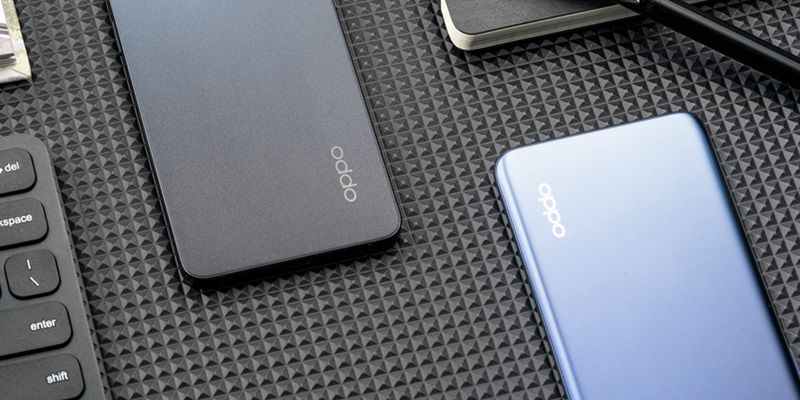
Is the Oppo K12 5G the New OnePlus Rival to Watch?

The design similarities between the soon-to-be-released Oppo K12 5G and the OnePlus Nord CE4 5G raise interesting questions about the strategy behind BBK Electronics’ product planning. Will the Oppo K12 be a direct competitor to its OnePlus counterpart, or is it an effort to maintain brand cohesion across the company’s smartphone offering?

Impressive Performance Potential

The Oppo K12 5G doesn’t just share a design language with OnePlus, it also offers high-end features. With a Snapdragon 7 Gen 3 chip, 12 GB of RAM, and 512 GB storage, the K12 5G is set to be a performance beast. Its camera setup and 5,500 mAh battery further suggest it’s a flagship-level device at a potentially more accessible price point.

Price Versus Accessibility

Though packed with top-tier features, the Oppo K12 5G’s pricing could be a hurdle for some consumers. However, BBK Electronics may use this to their advantage, positioning the device to appeal to specific market segments and complement OnePlus’s offerings, creating a diverse but unified smartphone lineup.

Explore more

Can Technology Save the Human Connection in Brand Experience?

Modern corporations have traded the warmth of a handshake for the cold efficiency of an algorithm, yet this digital transformation has left a trail of disillusioned customers in its wake. While executive suites are increasingly dominated by discussions surrounding the transformative power of artificial intelligence, a striking reality remains: nearly half of all organizations still fail to deliver customer experiences

Trend Analysis: Trust-Based AI Communications

Digital interactions have reached a point where distinguishing a legitimate business representative from a sophisticated synthetic impersonator requires more than just intuition or a caller ID. As enterprises navigate a landscape cluttered by automated spam and high-fidelity deepfakes, the “digital trust gap” has emerged as the most significant hurdle to sustainable growth. The convenience of generative AI has inadvertently provided

AI and Generative AI Transform Global Corporate Banking

The high-stakes world of global corporate finance has finally severed its ties to the sluggish, paper-heavy traditions of the past, replacing the clatter of manual data entry with the silent, lightning-fast processing of neural networks. While the industry once viewed artificial intelligence as a speculative luxury confined to the periphery of experimental “innovation labs,” it has now matured into the

Is Auditability the New Standard for Agentic AI in Finance?

The days when a financial analyst could be mesmerized by a chatbot simply generating a coherent market summary have vanished, replaced by a rigorous demand for structural transparency. As financial institutions pivot from experimental generative models to autonomous agents capable of managing liquidity and executing trades, the “wow factor” has been eclipsed by the cold reality of production-grade requirements. In

How to Bridge the Execution Gap in Customer Experience

The modern enterprise often functions like a sophisticated supercomputer that possesses every piece of relevant information about a customer yet remains fundamentally incapable of addressing a simple inquiry without requiring the individual to repeat their identity multiple times across different departments. This jarring reality highlights a systemic failure known as the execution gap—a void where multi-million dollar investments in marketing