

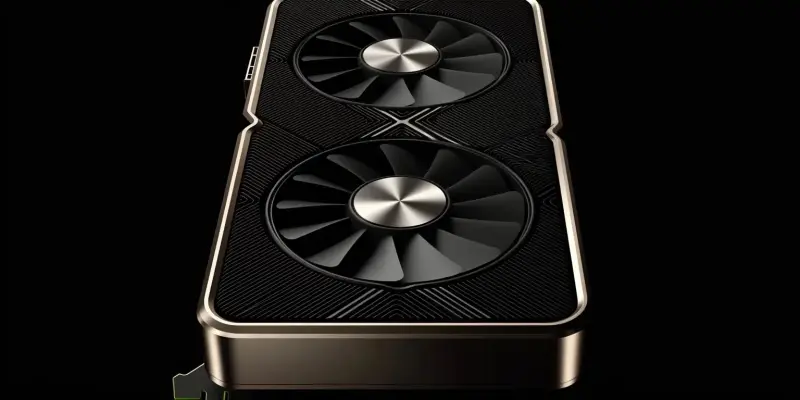
The Nvidia RTX 4070 has been a popular graphics card among gamers and tech enthusiasts since its release, known for its performance and affordability. However, just as it seems to be hitting its stride, a wave of change is on the horizon with the imminent launch of the Nvidia RTX 5070. Set to debut in February, the RTX 5070 promises to bring a host of advancements that could render the RTX 4070 and other RTX 4000 series GPUs obsolete.
The Imminent Launch of the RTX 5070
Performance Comparisons and DLSS 4
The upcoming RTX 5070 is creating a buzz in the tech world, thanks to its projected performance capabilities. Preliminary reports suggest that it may rival the performance of the much more expensive RTX 4090, particularly when using DLSS 4 with Frame Generation enabled. This performance leap can be attributed to Nvidia’s advancements in artificial intelligence and machine learning, which are now integral components of their GPU architecture.
DLSS 4, short for Deep Learning Super Sampling, has been a game-changer in the realm of graphics processing. This technology uses AI to upscale lower-resolution images to higher resolutions, allowing gamers to experience high-quality visuals without compromising frame rates. In the case of the RTX 5070, DLSS 4 paired with the new Frame Generation feature, which promises up to three additional AI-generated frames, could drastically enhance gaming performance. This makes the RTX 5070 an enticing option for those looking to upgrade their older RTX 2000 or 3000 series GPUs.
Furthermore, the ability of these tools to bolster ray tracing capabilities and overall image quality cannot be understated. Ray tracing, which simulates the way light interacts with objects in a virtual environment, creates more realistic and immersive gaming experiences. The enhancements in DLSS and Frame Generation are pivotal for running graphically-intensive games at high frame rates, pushing the boundaries of what was previously thought possible with consumer-grade GPUs.
Market Availability and Sales Patterns
Multiple posts from the Board Channels forum indicate that the stock of RTX 4070, as well as RTX 4060 Ti and 4060 models, will be completely sold out by the end of January. This leaves third-party manufacturers as the sole source of these GPUs from February onward. The trend mirrors patterns observed before the launch of previous GPU series, where the anticipation of new models drives the sales of outgoing models.
The expected discontinuation of the RTX 4000 series aligns with Nvidia’s strategy to phase out older models as they introduce new ones. This approach helps manage inventory and maintain a streamlined product lineup. For consumers, this means that if they are considering purchasing an RTX 4070, they may need to act quickly before stocks deplete. Conversely, those willing to wait a few more weeks could benefit from the superior performance and value offered by the RTX 5070.
Technological Advancements and Consumer Impact
Multi Frame Generation and Ray Tracing
The new developments in Multi Frame Generation are set to significantly enhance the graphics processing capabilities of Nvidia’s GPUs. This innovative feature generates additional AI-created frames, thereby boosting performance and providing smoother visuals. For gamers and content creators, this means a more fluid experience, especially in graphically demanding applications and games.
Ray tracing, combined with these advancements, brings an unprecedented level of realism to computer graphics. This technology simulates physical behaviors of light, making shadows, reflections, and highlights appear incredibly lifelike. The incorporation of these features into the RTX 5070 will allow users to experience cutting-edge graphics without needing to invest in the highest-end models like the RTX 4090. This democratizes high performance, making it accessible to a broader user base.
Moreover, the RTX 5070 is anticipated to start at a relatively affordable price of $579, making it an attractive option for those looking to upgrade. Given the projected performance improvements, this price point positions the RTX 5070 as a potentially excellent value offering within the RTX 5000 series. It could provide a compelling alternative to higher-end models, meeting the needs of a wide range of users from casual gamers to professional content creators.
The Future of the RTX Series
The Nvidia RTX 4070 has made a significant impact within the gaming and tech community since its release, praised for delivering excellent performance at a reasonable price. Many gamers and tech enthusiasts have hailed it as a go-to option for next-gen gaming and graphic-intensive applications. However, as the RTX 4070 gains popularity and solidifies its place in the market, a new contender is poised to shake things up: the Nvidia RTX 5070. Scheduled for a February launch, the RTX 5070 is expected to bring significant improvements and features that may surpass the capabilities of the RTX 4070 and potentially make the entire RTX 4000 series seem outdated. This upcoming release has generated a lot of buzz, with many speculating on the innovative advancements Nvidia will introduce. From enhanced performance capabilities to more efficient power consumption and cutting-edge technologies, the RTX 5070 is anticipated to set new standards in the graphics card industry, causing the beloved RTX 4070 to possibly take a backseat in the near future.