

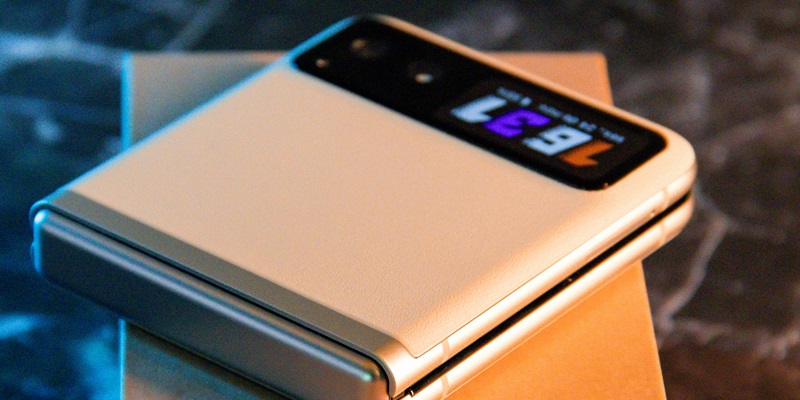
The smartphone market continues to evolve, with cutting-edge technology and innovative designs redefining what consumers can expect from their devices. One such area of fierce competition is the foldable smartphone segment, which has been dominated by brands like Motorola and Samsung. With the release of the Motorola Razr+ 2024, also known as the Razr 50 Ultra, and the Samsung Galaxy Z Flip 6, consumers were given options that blend nostalgia with futuristic functionality. Recently, Amazon’s early Black Friday deal on the Razr+ 2024 has added another layer of intrigue to this competition, making the Razr+ even more enticing with a significant price reduction.
Motorola Razr+ 2024 Features and Specifications
Display and Build Quality
The Motorola Razr+ 2024 initially entered the market with a competitive edge in pricing, debuting at $999.99. This made it substantially more affordable than the Samsung Galaxy Z Flip 6 from the outset. However, Amazon’s early Black Friday sales event has elevated the Razr+ 2024’s appeal even further. Amazon slashed the price by up to 25%, bringing the Spring Green variant down to $749.99 and other color variants to $799.99. This pricing strategy not only raises eyebrows but positions the Razr+ 2024 as an incredible value proposition for tech enthusiasts and mainstream consumers alike during the holiday shopping season.
The Razr+ 2024 is equipped with dual 165Hz OLED displays, enhancing user experience with smoother scrolling and better visual content. The main screen boasts a higher refresh rate than many competitors, making it ideal for gaming and media consumption. Its robust hinge design, coupled with IPX8 water resistance, ensures durability and longevity. The device offers a seamless blend of cutting-edge technology and nostalgic flip-phone design, making it both innovative and reminiscent of the classic Motorola Razr phones that paved the way for modern foldables.
Performance and Battery Life
Under the hood, the Razr+ 2024 packs substantial performance capabilities with its Snapdragon 8s Gen 3 processor. This powerhouse, combined with 12GB of RAM and 256GB of internal storage, allows the device to handle demanding tasks effortlessly. Whether it’s multitasking, gaming, or running resource-intensive applications, the Razr+ 2024 delivers smooth performance and swift response times. However, it’s noteworthy that the lack of display output support through the USB 2.0 port is a limitation for users looking to connect their smartphones to external displays.
Battery life and charging speed are often critical considerations for potential buyers. The Razr+ 2024 excels in this area with faster charging than its Samsung counterpart, despite the absence of an in-box charger. This advantage ensures users can quickly power up their devices and stay connected throughout the day. The absence of a charger in the box has become a trend among many smartphone manufacturers, reflecting a shift towards environmentally friendly practices and encouraging users to use their existing chargers.
Camera and Connectivity
Advanced Camera Features
One of the standout features of the Motorola Razr+ 2024 is its camera system. Unlike the common ultrawide secondary cameras found in many foldable devices, the Razr+ 2024 comes with a 2x optical zoom telephoto camera. This feature provides greater versatility and enhances the phone’s photographic capabilities, allowing users to capture distant subjects with clarity and detail. The main camera also delivers impressive performance, capturing vivid and high-quality images in various lighting conditions, making the Razr+ 2024 a solid choice for photography enthusiasts.
In addition to its optical zoom capabilities, the camera system of the Razr+ 2024 includes several intuitive features that enhance the user experience. The camera software is designed to leverage the device’s powerful hardware, providing features like night mode, portrait mode, and AI enhancements that automatically adjust settings for optimal results. These enhancements ensure that users can capture stunning photos without needing extensive photography knowledge or manual adjustments, making the Razr+ 2024 accessible to a broader audience.
Connectivity and Software Support
When it comes to connectivity, the Razr+ 2024 sets itself apart with impressive specifications. The device supports Wi-Fi 7, providing faster internet speeds and more reliable connections compared to previous standards. It also includes Bluetooth 5.4, which ensures seamless and efficient connections to a wide array of peripherals, from headphones to smartwatches. Additionally, the superior network performance compared to the Galaxy S24 Ultra highlights the comprehensive connectivity suite offered by the Razr+ 2024, ensuring users stay connected in various environments and network conditions.
The Razr+ 2024 ships with Android 14, offering users the latest features and security enhancements. Motorola has committed to providing three major OS upgrades and four years of bi-monthly security updates, ensuring the device remains up-to-date and secure throughout its lifecycle. This level of software support underscores Motorola’s dedication to delivering a long-lasting and reliable user experience, which is a significant consideration for consumers investing in high-end smartphones.
Conclusion
The smartphone market is constantly evolving, introducing state-of-the-art technology and innovative designs that raise consumer expectations. The foldable smartphone segment has become particularly competitive, largely dominated by prominent brands like Motorola and Samsung. The Motorola Razr+ 2024, also referred to as the Razr 50 Ultra, and the Samsung Galaxy Z Flip 6 are leading examples of this trend. These models successfully blend a nostalgic design with forward-looking functionalities. Recently, Amazon’s early Black Friday deal on the Razr+ 2024 has stirred excitement in the market, offering this advanced gadget at a notably reduced price. This price cut significantly enhances the appeal of the Razr+, providing consumers with an excellent opportunity to purchase a top-tier foldable smartphone at a more affordable cost. As the competition heats up between Motorola and Samsung, consumers are the ultimate winners, reaping the benefits of technological advancements and attractive deals.