

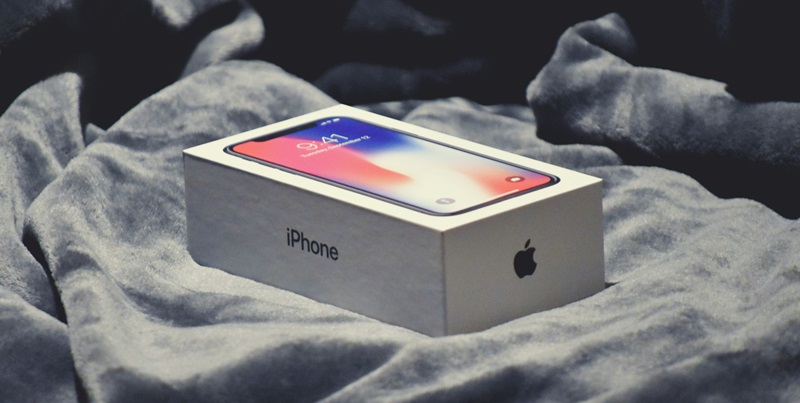
In a world where consumers increasingly seek the perfect balance between form and function, Apple’s upcoming iPhone 17 “Air” promises to be a game-changer. It is poised to become the thinnest iPhone ever produced by Apple, boasting a sleek 6 mm thin enclosure that surpasses the 6.9 mm thickness of the iPhone 6 from a decade ago.
A Renewed Focus on Thin Designs
Apple is renowned for its visually appealing products, and the iPhone 17 “Air” is projected to exemplify this tradition. This model will aim to recapture Apple’s historical focus on creating visually appealing products with ultra-thin designs. To achieve this feat, certain features will be sacrificed. Notably, it will feature a single rear camera instead of the triple-camera setup found on the ‘Pro’ variants, and its display size will be 6.6 inches, smaller than the iPhone 16 Pro Max’s 6.9 inches.
Despite its significant thinness, the iPhone 17 “Air” will fall short of the 2024 iPad Pro’s slimness, which measures a remarkable 5.4 mm. However, what it lacks in ultra-thinness, it compensates for with formidable technology under the hood. Expected specifications include the A19 SoC, 8 GB of RAM, a 24 MP front camera, and a 48 MP rear camera. This aligns with wider industry trends that favor more powerful and efficient technology housed within increasingly thinner designs.
Expanding the Thinness Trend
Apple’s attempt to create thinner designs does not appear to end with the iPhone 17 “Air’. According to Mark Gurman from Bloomberg, future iterations of MacBook Pros and Apple Watches will also feature slimmer enclosures. This suggests that Apple has a broader, company-wide goal to embrace thinness across its flagship products.
The shift in design strategy prompts a broader discussion about the balance between aesthetics and functionality. By adopting thinner designs, Apple may be willing to compromise on certain features, but it doesn’t ignore the need for advanced technological capabilities. This commitment to aesthetic excellence signifies a potential revitalization of Apple’s early design ethos, which revered minimalism and sleek profiles.
The Balancing Act
In today’s world, consumers are increasingly focused on finding the ideal balance between aesthetics and functionality in their gadgets. Apple’s forthcoming iPhone 17 “Air’ is set to revolutionize this quest. The device is expected to be the thinnest iPhone Apple has ever engineered, featuring an impressively slim 6 mm body. This beats the thickness of the iPhone 6, which was considered very thin for its time at 6.9 mm when it launched almost a decade ago.
The iPhone 17 “Air” is not just about its strikingly thin profile; it’s also designed to embody the high standards of innovation that Apple products are known for. This means users can expect enhanced performance capabilities, advanced camera technologies, improved battery life, and a stunning display, all within this extraordinarily sleek frame. The emphasis on a visually appealing yet practical design aims to keep Apple ahead in the highly competitive smartphone market and cater to the modern-day consumer’s desire for devices that offer both elegance and efficiency in equal measure.