

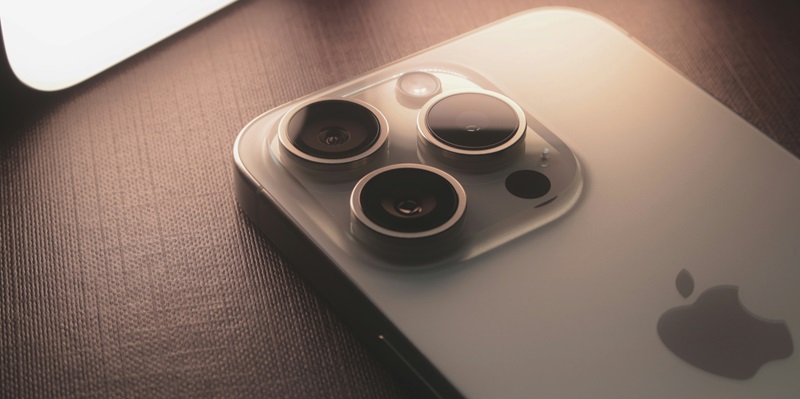
With each new iPhone release, there is a buzz of anticipation around the anticipated technological advancements Apple promises to deliver. The iPhone 16 Pro Max is no different. Earlier certification data stirred up quite the excitement, suggesting that the entire lineup could support charging speeds of up to 45W. Anyone familiar with the slower charging speeds of older models was eager for this potential improvement. However, when put to the test by iFanr, a Chinese tech media outlet, the results did not quite live up to the high expectations. In a controlled lab environment, the iPhone 16 Pro Max was found to briefly peak at around 39W before stabilizing at a consistent speed of 27W, closely mirroring the performance of its predecessor, the iPhone 15 Pro Max. Such findings have experts and consumers alike questioning whether Apple’s latest offering in its flagship lineup represents a genuine upgrade or a mere repackaging of old technology.
Real-World Charging Speeds: Hopes Versus Reality
Initial hopes for a significant leap in charging performance were high when certification specifications suggested a maximum speed of 45W. In reality, attaining these theoretical maxima often proves challenging when applied to everyday usage. The iFanr tests revealed some hard truths: even though the iPhone 16 Pro Max might momentarily hit 39W, it cannot sustain this peak. Instead, it reverts to a steady 27W, the same charging speed as the iPhone 15 Pro Max. This revelation is a letdown for those who had hoped for quicker, more efficient charging cycles. It takes about 1 hour and 45 minutes to charge the iPhone 16 Pro Max from 2% to 100%, only slightly faster than the 1 hour and 55 minutes registered by the iPhone 15 Pro Max. These numbers undermine any claims of substantial progress in charging technology between the two generations.
Implications for Consumer Expectations and Market Response
The marginal advancements in charging capabilities have broader implications for consumer expectations and the overall market response. Renowned analyst Ming-Chi Kuo has pointed to the lack of significant upgrades as a key factor contributing to lower-than-expected pre-order volumes for the iPhone 16 lineup. Consumers are increasingly skeptical, perceiving a lull in innovation from a company that has built its reputation on groundbreaking advancements. This sentiment of dissatisfaction is exacerbated when Apple’s marketing machine builds up expectations that the hardware cannot quite meet. Kuo and other critics argue that this stagnation not only impacts immediate sales but could erode long-term brand loyalty if not addressed.
Apologists for Apple may argue that the minute improvement in charging time is still a step forward, but it’s difficult to ignore the growing chorus of voices calling for more tangible enhancements. The technology market is highly competitive, and consumer patience for iterative upgrades with minimal real-world impact is wearing thin. The slight increment in charging time does little to change the overall charging experience, leaving users feeling that they are not getting enough value for their investment in upgrading from the iPhone 15 Pro Max to the iPhone 16 Pro Max.