

A new Physical Readiness metric synthesizes sleep architecture, stress levels, and heart rate variability into a single score to guide daily workout intensity and recovery. As the wearable market reaches a new peak of saturation in 2026, consumers are increasingly moving away from gadgets that require daily maintenance, favoring instead sophisticated instruments that offer deep insights without the constant tether of a charging cable. The Huawei Watch GT 7 Pro arrives at a pivotal moment, positioning itself not just as a stylish accessory, but as a specialized tool for those who demand precision and longevity. By iterating on a successful formula of premium materials and extensive battery life, this latest model seeks to define what a “Pro” wearable should be in an era where data accuracy and physical resilience are paramount. The device manages to bridge the gap between high-fashion horology and the rugged needs of the outdoor enthusiast, offering a balanced ecosystem that prioritizes the user’s physiological state over mere notification management. This transition toward a more health-centric, autonomous experience reflects a broader industry trend where the watch is expected to act as an intelligent companion that understands the nuances of human recovery and performance in real time.
Premium Materials: The Evolution of Design
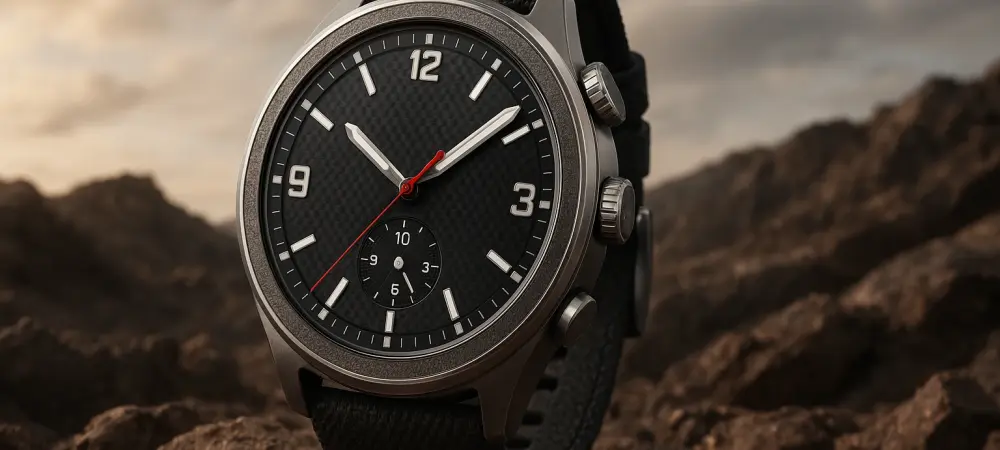
The construction of the Watch GT 7 Pro represents a sophisticated blend of aerospace-grade materials and contemporary design principles, ensuring the device can withstand the rigors of extreme environments. A brushed titanium alloy forms the primary chassis, providing an exceptional strength-to-weight ratio that makes the 46mm frame feel surprisingly unobtrusive during high-intensity movements. This material choice is complemented by a new nanocrystal ceramic bezel, which is specifically engineered to resist the abrasions and impacts common in mountain climbing or technical cycling. Unlike traditional metal bezels that tend to accumulate small scratches over time, this ceramic implementation maintains its polished finish even after months of heavy use. The integration of these materials results in a timepiece that feels inherently substantial yet remains comfortable enough for 24/7 wear, which is essential for capturing the consistent data streams required for long-term health analysis.
Ergonomics have been further refined through a redesigned strap system that prioritizes security and skin health during prolonged athletic sessions. Huawei has introduced a “tuck-under” mechanism for the silicone and hybrid leather straps, eliminating the bulky traditional buckle that often causes discomfort when resting the wrist on a desk or during sleep. This design ensures the sensors maintain a consistent, tight contact with the skin, which is a critical factor for the accuracy of heart rate and oxygen saturation readings. For those who value personalization, the watch retains its compatibility with standard 22mm third-party straps, allowing a seamless transition from a rugged sport look to a more formal aesthetic. The overall profile of the watch, sitting at just over 11mm in thickness, ensures it does not snag on clothing layers, a common issue with many competing “ultra” or “pro” models that sacrifice sleeker dimensions for internal components.
Display Technology: Clarity in Every Environment
The visual interface is anchored by a 1.47-inch circular AMOLED touchscreen that serves as the primary window into the device’s complex data ecosystem. Protected by a layer of synthetic sapphire glass, the display is remarkably resistant to shattering and scratches, a necessity for a watch marketed toward outdoor explorers. While marketing materials often highlight astronomical peak brightness figures, real-world performance in 2026 demonstrates a sustained auto-brightness level of approximately 1,040 nits. This level of illumination is more than sufficient to overcome the glare of direct sunlight, ensuring that hikers can read topographical maps or runners can check their pace without having to shade the screen with their hands. The 60Hz refresh rate provides a fluid user experience, making the transition between data cards and menu lists feel as responsive as a modern high-end smartphone, which reinforces the premium positioning of the GT series.
In addition to pure brightness, the display implementation focuses on power efficiency and visibility through an optimized Always-On Display mode. This feature allows users to keep essential time and health metrics visible at all times without significantly depleting the battery, a feat achieved through the use of variable refresh rate technology that drops to minimal levels when the screen is not being actively engaged. The color accuracy and deep blacks characteristic of AMOLED technology allow the high-resolution watch faces to appear integrated with the ceramic bezel, creating a seamless visual flow. This attention to detail extends to the interface design, where high-contrast icons and bold typography are used to ensure legibility during rapid motion, such as when checking descent speeds during a ski run or monitoring heart rate zones during a sprint.
Software Logic: Harmony OS and Connectivity
Running on the latest iteration of Harmony OS, the Watch GT 7 Pro delivers a card-based user interface that emphasizes accessibility and intuitive navigation. The software is organized into functional “service widgets” that can be customized to show the most relevant information, such as daily activity goals, weather forecasts, or the new Physical Readiness score. This modular approach allows users to streamline their experience, hiding secondary features while keeping critical health data just a swipe away. Despite the refined UI, the software ecosystem remains somewhat insulated, which can be a double-edged sword. While the native applications are highly optimized for the hardware, the selection of third-party utilities is more focused than the sprawling app stores found on competing platforms. This results in a more curated, reliable experience but may limit users who rely on niche third-party services for their daily productivity. The connectivity landscape for the device reveals a distinct divergence depending on the user’s choice of smartphone platform. Users within the Android and Huawei ecosystems enjoy a comprehensive integration, including the ability to utilize a full QWERTY keyboard for notification replies and seamless synchronization with health platforms. Conversely, those using the device with iOS will find a more restricted environment where notifications are essentially read-only. This limitation is a significant consideration for potential buyers within the Apple ecosystem, as it positions the watch more as a dedicated fitness tracker and health monitor rather than a fully interactive extension of the phone. However, for those who primarily use their watch for data collection and specialized sports tracking, these connectivity hurdles are often outweighed by the device’s superior hardware performance and independent utility through its built-in speaker and microphone.
Health Monitoring: The TruSense Architecture
At the core of the Watch GT 7 Pro is the TruSense sensor suite, a sophisticated array of optical and electrical sensors designed to provide a 360-degree view of the user’s physiological state. The system continuously monitors heart rate, blood oxygen levels, and stress indicators with a level of precision that rivals dedicated medical consumer peripherals. In 2026, these sensors have been tuned to filter out the signal noise generated by rapid movement or changes in ambient temperature, ensuring that the data collected during a high-altitude hike or a cold-water swim remains reliable. The watch also features an integrated ECG function that allows for 30-second heart rhythm assessments, providing peace of mind for users concerned about atrial fibrillation or other irregularities. This diagnostic capability is complemented by arterial stiffness detection, which uses pulse wave velocity to offer insights into vascular health.
The depth of the sleep tracking functionality remains a standout feature, providing a granular breakdown of sleep architecture that includes light, deep, and REM cycles alongside respiratory monitoring. By analyzing movement patterns and heart rate variability during the night, the watch can identify potential sleep apnea indicators or disruptions caused by environmental factors. This data is not presented in a vacuum; instead, it is synthesized into actionable advice within the Huawei Health platform, suggesting adjustments to caffeine intake or evening routines to improve overall rest quality. The inclusion of a skin temperature sensor further rounds out the wellness suite, offering a baseline that can help users identify the early onset of illness or monitor physiological changes over long periods, making the watch a proactive tool for health management.
Strategic Insights: The Physical Readiness Metric
The introduction of the Physical Readiness card represents a significant shift in how wearable data is contextualized for the end user. Rather than simply presenting a list of disconnected metrics like steps taken or calories burned, this feature combines sleep quality, recent training load, and heart rate variability into a single, easy-to-understand score. This score serves as a daily recommendation for physical activity, helping users decide whether to push for a new personal record or opt for a restorative recovery session. In the high-pressure environment of 2026, where overtraining and burnout are common concerns among fitness enthusiasts, this objective physiological feedback is invaluable. It removes the guesswork from training, allowing athletes to align their efforts with their body’s actual capacity rather than just following a pre-set calendar.
Building on this recovery-centric approach, the watch utilizes its data to offer personalized coaching insights that evolve as the user becomes more fit. For instance, if the Physical Readiness score is consistently low despite adequate sleep, the system may suggest that the user’s overall stress levels are hindering recovery, prompting a recommendation for guided breathing exercises or a reduction in high-intensity intervals. This holistic view of health acknowledges that physical performance is inextricably linked to mental well-being and environmental factors. By focusing on the “Readiness” of the user, Huawei has moved beyond the role of a passive recorder and into the role of an active health consultant, providing a level of utility that justifies the “Pro” moniker for both professional athletes and health-conscious professionals.
Precision Tracking: AI-XDR Positioning Algorithms
For outdoor enthusiasts, the accuracy of location tracking is often the most critical feature of a professional-grade wearable. The Watch GT 7 Pro addresses this through its AI-XDR positioning algorithm, which utilizes dual-band GNSS technology to connect with multiple satellite constellations simultaneously. This hardware-software synergy allows the watch to maintain a precise lock even in challenging environments such as dense forests or “urban canyons” where high-rise buildings typically interfere with GPS signals. By combining satellite data with dead-reckoning information from the internal accelerometer and gyroscope, the watch can intelligently “fill in the gaps” if the signal is momentarily lost. This results in incredibly smooth and accurate route maps that correctly identify subtle turns and elevation changes, providing runners and cyclists with a high level of confidence in their performance data.
The specialized tracking modes for “prestige” sports like golf and skiing demonstrate the device’s shift toward a more targeted audience. The golf mode includes a database of over 3,000 courses globally, offering detailed green views, distance measurements to hazards, and electronic scorecards that sync directly with the cloud. For winter sports enthusiasts, the watch provides topographical maps with contour lines, along with technical metrics such as G-force analysis during turns and automatic run detection. These features turn the watch into a dedicated sports computer that provides real-time feedback that was previously only available through specialized, single-purpose equipment. The ability to monitor lactate threshold levels during cycling further highlights the professional focus of the device, helping athletes identify the point at which metabolic fatigue will begin to impact their performance.
Power Management: The Benchmark for Endurance
The defining characteristic of the GT series has always been its extraordinary battery life, and the GT 7 Pro continues to set the industry standard in 2026. While many flagship competitors struggle to remain operational for more than two days, this device offers a legitimate 15-day battery life under typical usage conditions. This endurance is achieved through a combination of a high-density battery cell and a dual-processor architecture that shifts workloads between a high-performance chip and a low-power co-processor. In practical terms, this means a user can embark on a week-long backpacking trip or a multi-day athletic event without ever needing to pack a charger. Even for power users who enable every health sensor and use GPS for several hours a day, the watch consistently delivers more than a week of service, providing a level of reliability that is unmatched in the luxury smartwatch segment.
Efficiency is not just about how long the battery lasts, but also how quickly it can be replenished when the time finally comes. The watch supports fast charging, allowing it to go from a depleted state to a full charge in approximately 90 minutes. This means that even a short 15-minute top-up can provide several days of usage, which is ideal for users with busy schedules. Because the watch requires such infrequent charging, users are far more likely to wear it consistently through the night, which significantly improves the accuracy of long-term health trends and sleep data. This reliability creates a feedback loop of trust; the user knows the watch will be there when they need it, and in turn, the watch collects the continuous data necessary to provide high-quality health insights, solidifying its position as the premier choice for long-term endurance.
Professional Utility: Actionable Insights for the Future
The Huawei Watch GT 7 Pro established its dominance through a meticulous focus on the core pillars of wearable technology: build quality, data accuracy, and exceptional battery life. For those seeking a device that balances the aesthetic requirements of a professional environment with the rugged demands of outdoor exploration, this model represented a peak achievement in engineering. The transition to specialized sports metrics and the synthesis of health data into the Physical Readiness score provided users with a clear roadmap for their personal wellness. As the market moves toward even more integrated health solutions from 2026 to 2028, the foundation laid by this device remains a benchmark for how hardware can empower users to take control of their physical recovery and athletic progression without the constant burden of technical maintenance.
Looking ahead, users who prioritize a robust, “set-and-forget” experience will find that the Watch GT 7 Pro offers a compelling alternative to the more fragile, high-maintenance wearables common today. The actionable next step for any potential owner is to evaluate their primary ecosystem needs; if the goal is a reliable, high-performance instrument for health and specialized sports, the trade-offs in third-party app availability are easily justified by the sheer utility of the hardware. For those who had previously been frustrated by the need to charge their devices every evening, the transition to a bi-weekly charging cycle changed the way they interacted with their health data. Ultimately, the device succeeded because it recognized that a true “Pro” tool should adapt to the user’s life, rather than requiring the user to adapt their life to the constraints of the technology.