

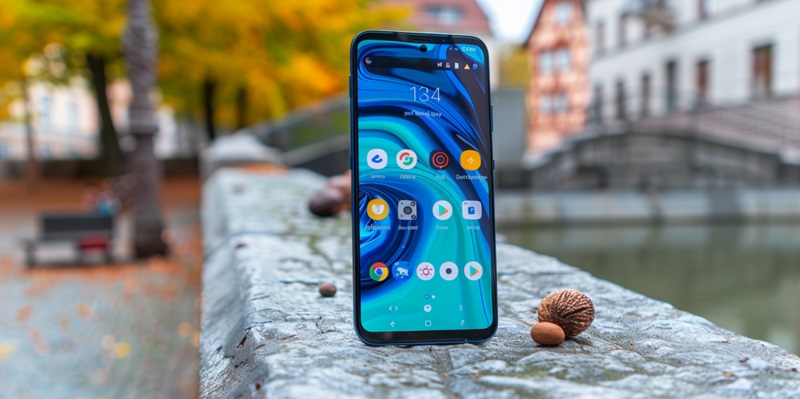
With the smartphone market perpetually in motion, the arrival of the Honor 200 Pro is a moment worth noting. Set on carving out a niche in the competitive European landscape, this device aims to jostle with heavyweight champions like the Samsung Galaxy S24. Its standout feature—an exclusive partnership with Paris’s revered Studio Harcourt—symbolizes an enchanting promise. The Honor 200 Pro moves beyond mere tech specs to offer its users something these behemoth brands seldom delve into: a piece of illustrious photographic artistry, tucked comfortably in their pockets.
A Leap into Cinematic Photography
Collaboration With Studio Harcourt
Picture a smartphone camera that doesn’t just capture images; it crafts portraits. That’s the ambitious vision behind the Honor 200 Pro’s collaboration with Studio Harcourt. By introducing the Harcourt Classic mode, the device extends the heritage of iconic black-and-white portraiture into the realm of mobile photography. It doesn’t stop at nostalgia, though. The Harportfolio Colour and Harportfolio Vibrant modes are Honor’s commitment to bringing a splash of contemporary élan to your photo gallery. Exclusive to the rear camera, these modes are a testament to the device’s focus on redefining mobile portrait photography.
Distinctive Portrait Mode Effects
In a landscape saturated with cookie-cutter smartphone cameras, the Honor 200 Pro’s portrait mode stands out with distinct flair. While these Harcourt enhancements offer a dazzling edge to the device, it’s interesting to note that such features are exclusive to the rear camera. This might come off as a missed opportunity given the prevalence of selfies in the age of social media. Nevertheless, the rear camera suite continues to demand attention, being the centerpiece for Honor’s integration of cinematic artistry into their tech ecosystem.
Advanced Display and Processing Power
Storied Visual Experience
In today’s ceaseless quest for visual perfection, the Honor 200 Pro sets a benchmark with its 6.78-inch OLED display. This isn’t just a screen; it’s a window to an expanse of colors, to a fluidity that makes every scroll a pleasure with its 120Hz refresh rate. The display promises high-dynamic-range (HDR) support, plating every visual in enhanced, true-to-life tones. In direct sunlight or in a dimly lit room, users are guaranteed an optimal viewing experience with exceptional levels of brightness.
Competing with Giants
While its display is set to captivate, the Honor 200 Pro’s journey to hardware excellence shows a slight detour in computing power when matched against the Samsung Galaxy S24. The Snapdragon 8s Gen 3 at the heart of the Honor 200 Pro does not claim the peak of raw power but focuses on a harmony of performance and power efficiency. This well-calibrated choice might lead the device to outlive others in terms of battery life and heat management. Such strategic trade-offs highlight Honor’s approach to balance rather than simply racing to the top of specification sheets.
Honor’s European Strategy
A Comeback to Key Markets
The Honor 200 Pro’s release in Europe is more than just a product launch, it symbolizes Honor’s regained independence after its separation from Huawei. Free from the trade shackles that once bound its parent company, Honor unabashedly embarks on an ambitious expansion with Google services in its arsenal and a clear sight of the European smartphone throne.
Market Positioning Challenges
The dynamic world of smartphones is abuzz once again with the introduction of the Honor 200 Pro. This new entrant is determined to cut through the European market’s competition, taking on frontrunners such as the Samsung Galaxy S24. The Honor 200 Pro isn’t just another high-spec device, it’s a symbol of refined culture and photographic grace, thanks to its unique collaboration with the iconic Studio Harcourt of Paris. This alliance isn’t just about technology; it represents a foray into the realm of exquisite photography, an area often overlooked by the giants of the industry. With the Honor 200 Pro, users find themselves holding more than just a gadget; they carry a slice of esteemed photographic heritage, redefining the intersection of art and technology in a device that slips easily into their daily lives. As the market shifts and changes, the Honor 200 Pro stands out, offering an experience that transcends conventional smartphone attributes.