

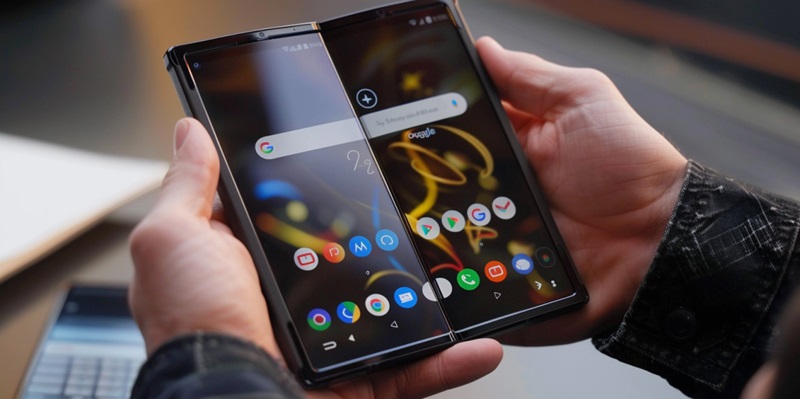
Google has officially raised the curtain on the Pixel 9 Pro Fold, their latest leap into the foldable smartphone market, through a teaser video that showcases notable design enhancements such as markedly thinner screen edges and a revamped rectangular camera module. While the tech world eagerly anticipates more intricate details at the launch event on August 13, preliminary insights are surfacing through various leaks and certification documents. This upcoming device is shaping up to be a blend of sleek looks and cutting-edge technology, promising to be a serious competitor in the foldable phone arena.
The Google Pixel 9 Pro Fold aims to bring a new level of elegance combined with high functionality. Contrary to early impressions that suggested the selfie camera was missing, it has been confirmed through leaks that the device will include a punch-hole selfie camera located in the top right-hand corner of the screen. Further examination reveals a large, rectangular camera module featuring multiple lenses, all integrated into a sleek hinge design that accentuates the phone’s premium build quality. These design cues indicate that Google is committed to solving some of the common complaints about foldable devices, such as screen durability and hinge strength.
AI at the Heart of the Pixel 9 Pro Fold
One of the most captivating aspects of the teaser video is the prominent display of Google’s new AI assistant, Gemini, who appears in the initial 20 seconds in a rather creative manner—penning a farewell letter to an older smartphone. This dramatic reveal hints at a device deeply integrated with artificial intelligence, aiming to enhance user experience in groundbreaking ways. The introduction of Gemini places significant emphasis on the Pixel 9 Pro Fold’s AI capabilities, which could be a game-changer in how we interact with our devices on a daily basis.
Gemini’s debut in the Pixel 9 Pro Fold teaser underscores Google’s commitment to infuse its devices with smarter, more intuitive technology that can anticipate user needs, streamline tasks, and offer a more personalized experience. While detailed specifications of Gemini’s capabilities remain under wraps until the August 13 reveal, the AI assistant’s starring role in the teaser serves as a clear statement of intent. Enhanced voice commands, predictive text, smart home integration, and possibly new levels of interactivity are expected, all orchestrated by Gemini’s advanced algorithms.
Pricing and Trade-offs
The Pixel 9 Pro Fold comes with a promise of affordability relative to its competition, specifically targeting the Samsung Galaxy Z Fold6. Official leaks have revealed the pricing structure for Europe: 256 GB of storage will retail for EUR 1,899, while the 512 GB version will cost EUR 2,029. These price points make the Pixel 9 Pro Fold a somewhat more economical option without sacrificing key features or design quality. This strategic pricing positions the device as a compelling alternative for consumers looking for high-end foldable technology at a slightly reduced cost.
However, while the Pixel 9 Pro Fold’s design and pricing are appealing, there are some apparent trade-offs. The teaser and leaks indicate that although the design is thinner and more streamlined, some of the camera specs have been compromised. Specifically, the selfie and ultra-wide-angle cameras now feature smaller sensors, which may impact image quality in certain conditions. On the other hand, the main and telephoto cameras remain unchanged from the first-generation Pixel Fold, ensuring that core photography performance will likely stay robust.
Final Thoughts
Google has officially unveiled the Pixel 9 Pro Fold, marking its latest foray into the foldable smartphone market. A teaser video highlights key design upgrades, including notably slimmer screen edges and an overhauled rectangular camera module. As the tech world eagerly awaits the full reveal set for August 13, preliminary details have emerged from various leaks and certification records. The new device promises a blend of sophisticated aesthetics and state-of-the-art technology, positioning it as a formidable contender in the foldable phone space.
The Google Pixel 9 Pro Fold aspires to offer a fusion of elegance and high functionality. Contrary to early impressions that lacked clarity on the selfie camera, leaks confirm it will feature a punch-hole selfie camera situated in the top-right corner of the display. Further examination reveals a prominent rectangular camera module housing several lenses, all built into a streamlined hinge design that enhances the phone’s premium feel. These design elements suggest Google’s commitment to addressing common issues in foldable devices like screen durability and hinge robustness, aiming to set new standards in this category.