

In a world where smartphone battery life often dictates purchasing decisions, the recent leak about the Samsung Galaxy S26 Ultra has sparked heated discussions among tech enthusiasts and casual users alike. As flagship devices continue to push boundaries in performance, design, and camera capabilities, the expectation for significant improvements in battery capacity remains high. The anticipation surrounding the Galaxy S26 Ultra was no exception, with early rumors hinting at a substantial upgrade that could redefine endurance standards. However, the latest revelations paint a different picture, raising questions about whether Samsung has missed a critical opportunity to stand out in an increasingly competitive market. This development not only impacts consumer expectations but also highlights the delicate balance manufacturers must strike between innovation in various features and meeting fundamental user needs like all-day battery performance.
Unpacking the Battery Capacity Letdown
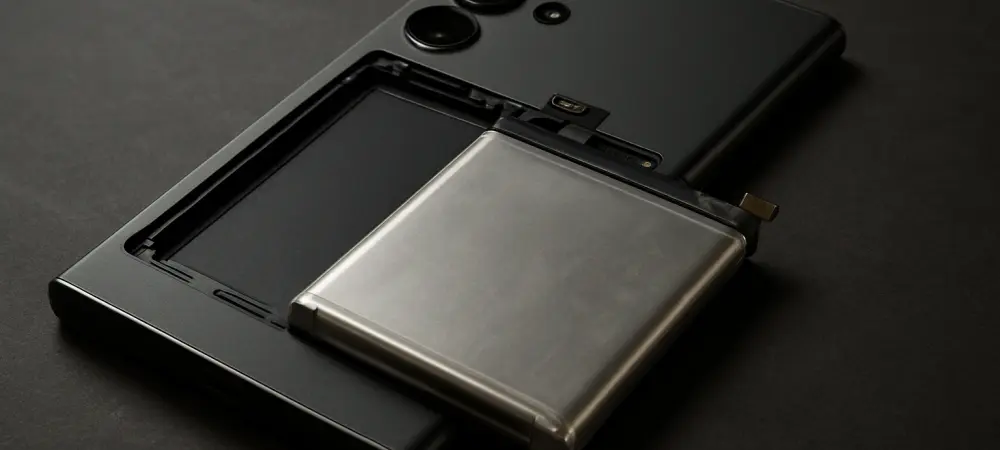
The heart of the disappointment lies in the confirmed battery specifications for the Galaxy S26 Ultra, which have surfaced through a certification listing on a reputable Chinese quality assurance platform. Early speculation had fueled excitement with whispers of a 5,500 mAh battery paired with 65-watt fast charging, a notable leap from the Galaxy S25 Ultra. Yet, the reality is far more restrained, with the battery—identified by its specific codename—rated at just 4,885 mAh, typically marketed as 5,000 mAh. This matches the capacity of its predecessor, dashing hopes for extended usage times that many had anticipated. While there’s a glimmer of potential for faster charging due to a 4.5-volt rating, the lack of concrete data on amperage keeps expectations in check. Compared to competitors like the Xiaomi 16, rumored to offer up to 7,500 mAh in its top variant, Samsung’s stagnant capacity risks positioning the device as a laggard in the endurance race, especially for power users who prioritize battery life over other flashy features.
Exploring Other Strengths to Offset Concerns
Despite the underwhelming battery news, the Galaxy S26 Ultra appears poised to shine in other areas, potentially mitigating some of the frustration surrounding its power capacity. Rumored upgrades include a cutting-edge ‘Flex Magic Pixel’ display, which uses AI to enhance screen privacy by limiting visibility to unintended viewers, a feature that could appeal to security-conscious consumers. Camera enhancements are also on the horizon, with the ISOCELL HP2 sensor expected to offer a wider F/1.4 aperture for superior low-light photography. On the performance front, the device is slated to integrate the Snapdragon 8 Elite 2 chip, tailored for Galaxy models, alongside ultra-fast 10.7 Gbps LPDDR5X RAM, ensuring top-tier speed and efficiency. These advancements suggest Samsung is aiming for a well-rounded flagship experience, focusing on holistic innovation rather than a singular emphasis on battery size. While these features may attract buyers seeking advanced technology, the question remains whether they can fully compensate for the lack of progress in a core area like battery life.